What Our Students Say — 5★ | Based on 95 Reviews
★★★★★
“Aeon BJJ is a direct reflection of who he is — technical, principled, and genuinely welcoming. One of the best we have hosted.”
— Monarchy
When it comes to martial arts for kids, Brazilian Jiu-Jitsu (BJJ) stands out as a transformative practice that offers more than just physical prowess. It builds mental fortitude, enhances discipline, and cultivates respect—a philosophy that goes beyond mere techniques. A surprising fact that often catches parents off-guard is BJJ’s effectiveness in teaching children not only self-defense but also patience, focus, and problem-solving. At Aeon BJJ, we aim to nurture these elements in our young students, setting them up for success on and off the mat.
The Philosophy Behind kids BJJ
Building Character and Confidence
At its core, BJJ teaches kids how to handle themselves with confidence. Unlike other combat sports, there’s no striking involved, which minimizes risk while maintaining the essence of self-defense. Instead, children learn how to use leverage and technique to control an opponent. This sense of empowerment is invaluable, increasing self-esteem as children realize that size or strength isn’t the ultimate determinant of capability.
Discipline and Respect
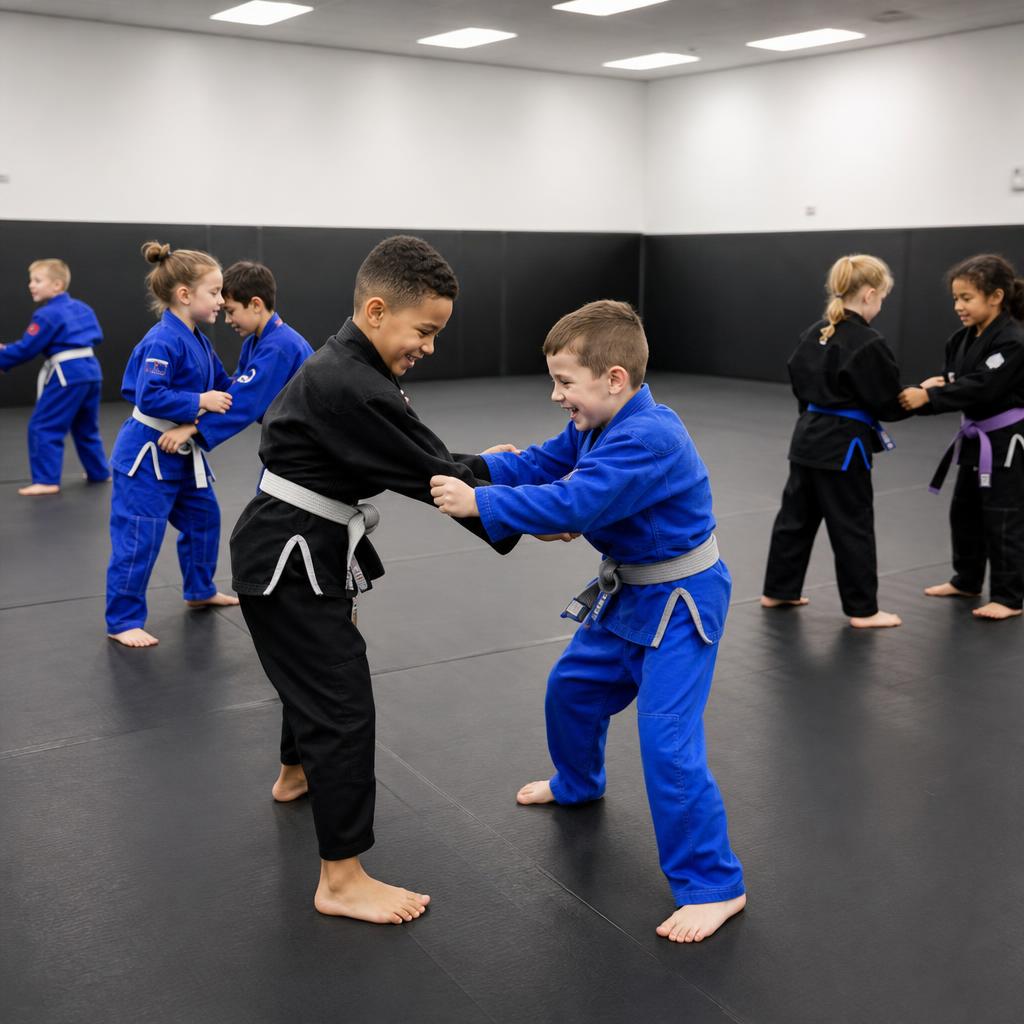
In the disciplined environment of a BJJ academy, children quickly learn the importance of respecting their instructors and peers. Respect is not just a courtesy; it’s an integral part of every class. Kids bow before stepping on the mat, listen attentively to their instructors, and practice with partners in a way that’s safe and controlled. This culture of respect extends beyond the gym, as young martial artists grow into more respectful and disciplined individuals in all areas of life.
Essential Techniques for Young Practitioners
When it comes to teaching techniques, BJJ is rich with maneuvers that are both challenging and engaging for kids.
The Guard
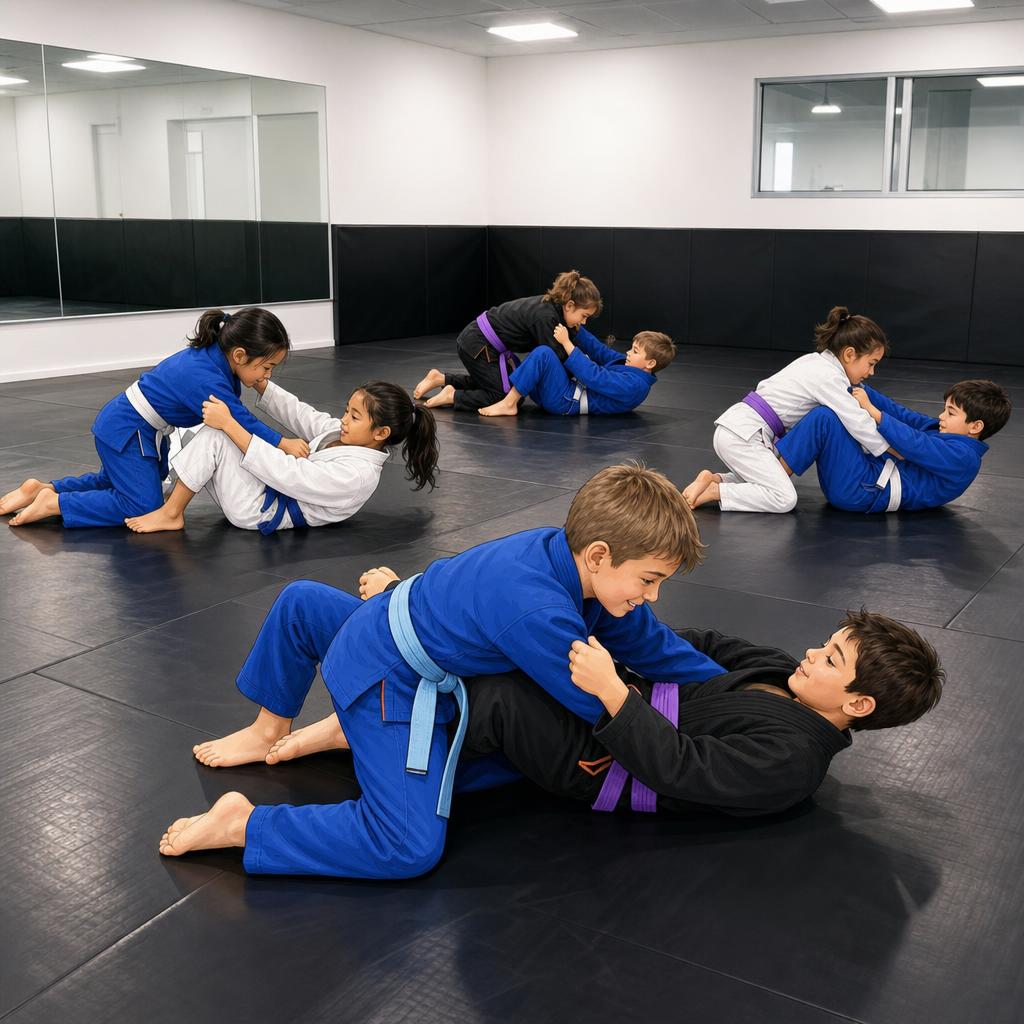
Often referred to as the cornerstone of BJJ, the guard is a fundamental position that teaches children how to defend themselves from their back. In classes at Aeon BJJ, kids learn various guard positions such as closed guard, open guard, and half guard.
Basic Sweeps and Escapes
Teaching children effective sweeps allows them to transition from defensive to offensive positions. Kids master simple sweeps like the scissor sweep or the lumberjack sweep under the careful guidance of instructors. Escapes are equally important, and techniques like the bridge-and-roll escape from mount instill a strong sense of tactical diversity.
Submission Fundamentals
While many might think submissions are inappropriate for children, BJJ introduces them in a controlled and safe manner. For instance, young students may learn the beginning stages of techniques like the armbar or triangle choke. Fundamental guides such as the Rear Naked Choke Guide ensure these skills are taught with precision and care.
The Training Environment
Structured Learning
At Aeon BJJ, our structured classes ensure that children not only learn effectively but also enjoy their journey in martial arts. Classes begin with a warm-up routine followed by technical drills, sparring sessions, and end with a cooldown. This structure helps instill a routine that promotes both mental and physical development.
Personalized Attention
Instructors such as Eamonn, Tariq, Sam, Dee, and Dan take the time to ensure that each child gets the personalized attention they deserve. This focus is crucial for addressing individual challenges, allowing students to progress at their own pace while fostering a supportive environment.
The Role of Competitions
Building Resilience
Participating in competitions is an excellent way for kids to test their skills and build resilience. They learn how to handle pressure and to view challenges as opportunities rather than obstacles. The ability to remain calm under pressure, something we explore in depth in our article on Managing Competition Nerves in Brazilian Jiu-Jitsu, is a life skill that is often honed in the competitive arena.
Emphasizing Sportsmanship
Competitions are also a time when sportsmanship really shines. Winning graciously and losing gracefully are traits that BJJ competitions instill in young athletes, contributing to their personal growth and maturity.
Technique Comparison: Closed Guard vs. Open Guard
In BJJ, understanding the nuances of different techniques is key. Here’s a quick comparison of two essential guard positions:
| Closed Guard | Open Guard |
|---|---|
| Focuses on controlling an opponent with legs wrapped around them. | Involves controlling the opponent’s posture with grips and foot placements. |
| Excellent for maintaining control and defending against attacks. | Offers more mobility and allows for dynamic sweeps and submissions. |
| Generally easier for beginners to learn and apply. | Requires more advanced understanding of grips and distance management. |
| Limits the opponent’s movement significantly. | Provides opportunities for quick offensive maneuvers. |
| Suited for both defensive and offensive gameplay. | Ideal for offensive transitions and setups. |
Key Takeaways
- Children benefit from BJJ by developing life skills like confidence, discipline, and respect.
- Essential techniques for kids include the guard, sweeps, and submission basics.
- Structured classes at Aeon BJJ are key to facilitating enjoyable and effective learning.
- Competitions bolster resilience and teach sportsmanship in young athletes.
- The nuances of guard positions are essential for a comprehensive BJJ skillset.
FAQ
What age should children start learning BJJ?
Children as young as four years old can start learning BJJ. At Aeon BJJ, we structure classes to provide age-appropriate instruction and ensure a fun, safe learning environment for younger practitioners.
Is BJJ safe for kids?
Yes, Brazilian Jiu-Jitsu is generally safe for kids as it emphasizes technique over brute strength and avoids striking. Instructors ensure that kids understand the importance of safety and respect during practice.
How do children progress in BJJ?
Children progress through a series of belts that represent their skill level. Regular practice, attention to technique, and often competing in tournaments contribute to their advancement within BJJ.
What should kids wear for BJJ classes?
Kids should wear a gi, which is the traditional uniform for BJJ practice. The gi comprises a jacket, pants, and a belt that indicates their current grade.
How can parents support their child’s BJJ journey?
Parents can support their child’s BJJ journey by encouraging consistent practice, attending competitions, and fostering a positive attitude regardless of outcomes. Being involved in their learning process by observing classes and discussing techniques can also be beneficial.
Now that you’ve seen how Brazilian Jiu-Jitsu can unlock your child’s potential, why not give it a try at Aeon BJJ? Rated 5★ by 95 members on Google, we offer engaging Youth Classes – Aeon BJJ with a free trial for new members. Bring your child in to experience the art of BJJ and start their journey towards personal growth and mastery.