
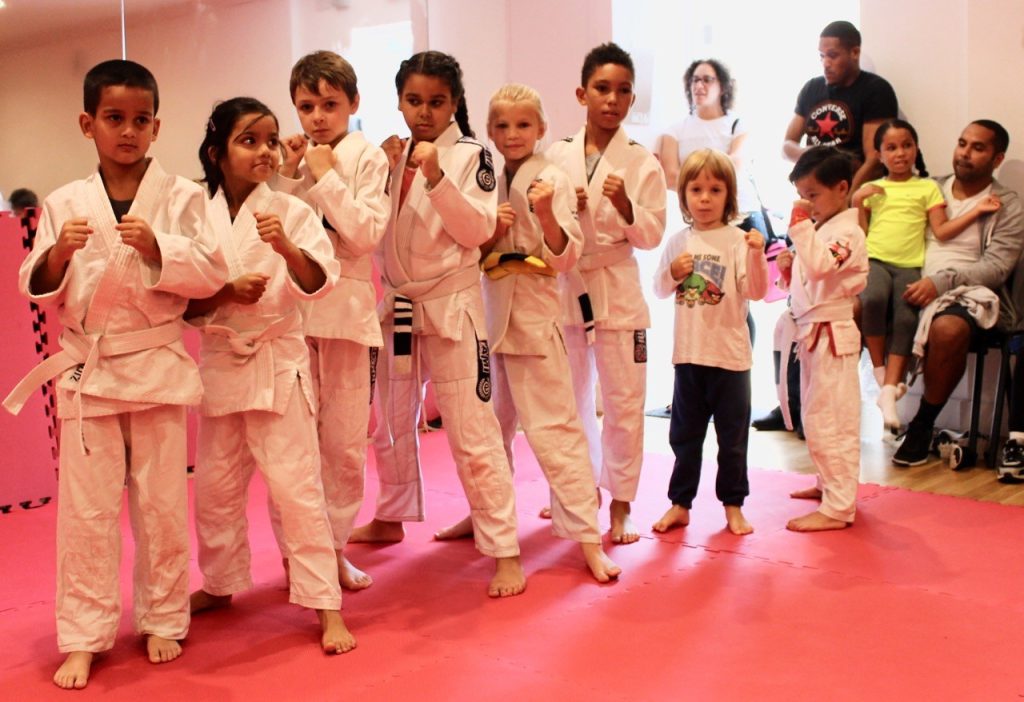
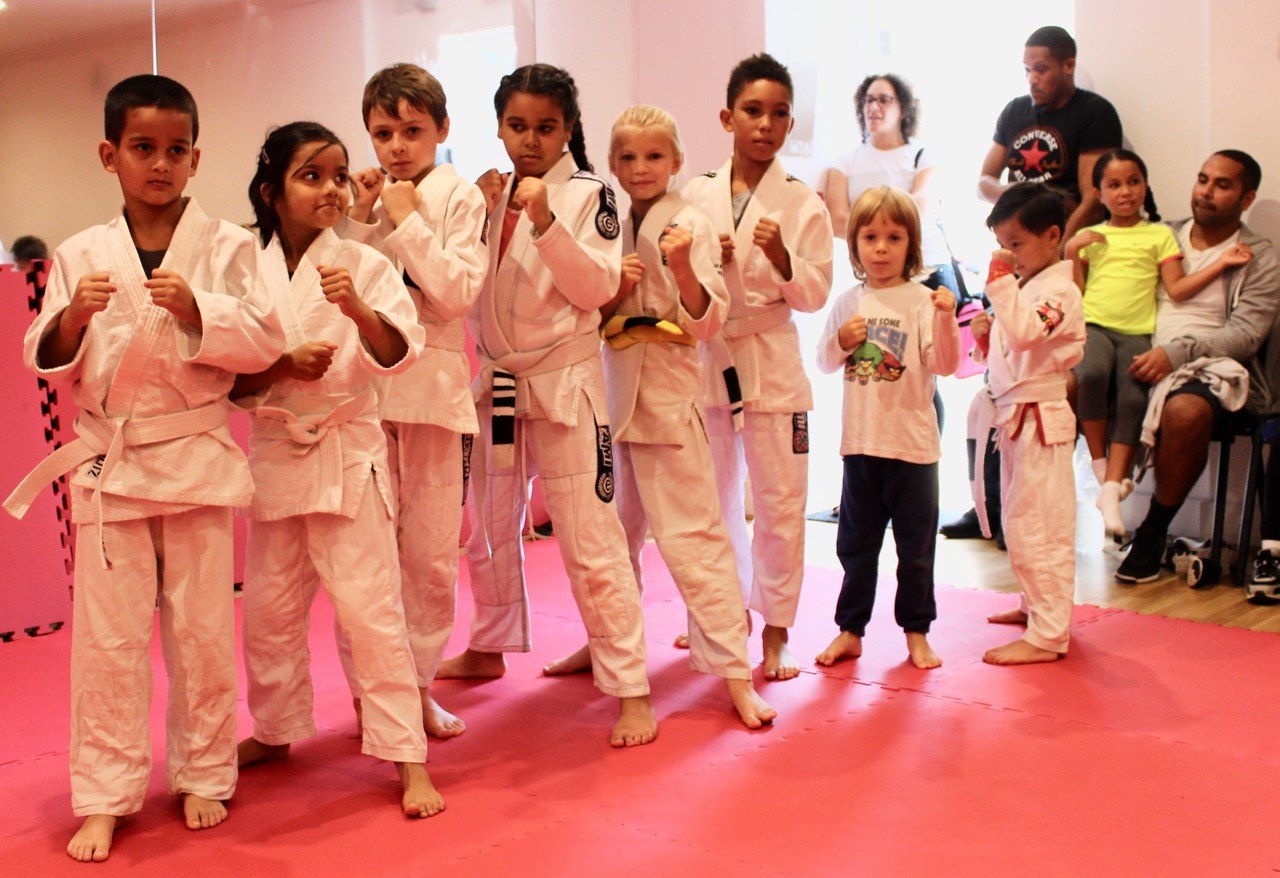
Brazilian Jiu-Jitsu (BJJ) offers profound physical and mental benefits for children, making it one of the best extracurricular activities you can choose for your child. According to numerous studies, martial arts, including BJJ, significantly improve focus, discipline, and self-esteem among young practitioners. With such a myriad of advantages, parents might wonder what makes BJJ uniquely beneficial and how it can be pivotal in shaping a child’s development.
The Physical Benefits of BJJ for Kids
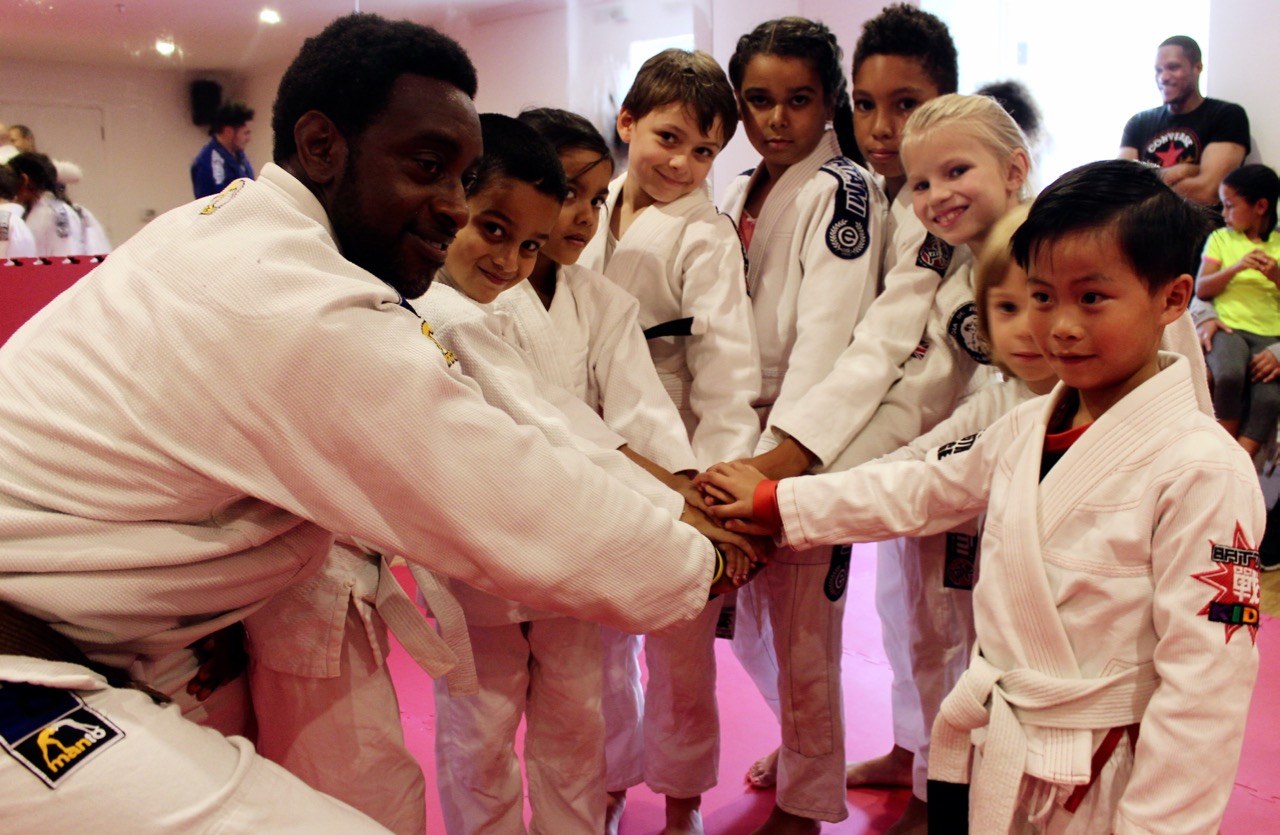
Engaging your child in Brazilian Jiu-Jitsu can lead to enhanced physical health, including increased strength, flexibility, and coordination. As kids practice BJJ, they engage in activities that refine both gross and fine motor skills.
Building Strength and Endurance
BJJ demands a unique endurance that translates into overall improved cardiovascular health. Practicing maneuvers like armbars, guard passes, and rear naked chokes requires not only strength but also stamina. Kids build their muscle strength naturally through these grappling techniques.
Additionally, the varied nature of BJJ classes means that children experience both aerobic and anaerobic exercise. Warm-ups might include jogging and jumping jacks to get the heart rate up, while rolling sessions—live sparring against opponents—require bursts of energy and endurance.
Enhancing Flexibility and Coordination
Flexibility is another key benefit of BJJ for kids. Children learn to execute moves like shrimping or bridging, essential for escapes, which enhance both flexibility and coordination. As they practice these moves, kids experience an improvement in balance and body awareness.
Social and Emotional Growth Through Jiu-Jitsu
Beyond its physical perks, BJJ shines in promoting social and emotional development. Children learn invaluable life skills like discipline, respect, and communication in a supportive environment.
Emotional Resilience and Stress Relief
Training regularly in a challenging martial art like BJJ helps children build emotional resilience. When kids face difficult sparring sessions or complex techniques, they learn to manage frustration and overcome obstacles. This builds a growth mindset—an understanding that ability improves with effort.
Moreover, BJJ is an excellent stress reliever. The physical exertion and mental focus required during practice help kids channel energy positively, reducing stress and anxiety levels.
Developing Social Skills
BJJ classes are excellent for socialization. Kids learn to work in pairs or teams, developing communication skills and understanding the importance of negotiation and teamwork. At Aeon BJJ, where classes are rated 5★ by 95 members on Google, children often form lifelong friendships, bonding over shared experiences on the mat.
Self-Defense and Safety: A Parent’s Concern
One of the compelling reasons many parents choose BJJ for their children is its emphasis on practical self-defense skills. Unlike striking-based martial arts, BJJ focuses on control and leverage, allowing a smaller, weaker person to defend themselves effectively.
Non-violent Conflict Resolution
BJJ teaches kids to neutralize a threat without resorting to violence. Techniques used in BJJ, such as the guard position or maintaining top control, focus on controlling an opponent rather than causing harm. This approach empowers children by giving them the skills to protect themselves while instilling a sense of responsibility regarding their strength.
Safety in Training
Safety is paramount in BJJ training. At Aeon BJJ, experienced instructors like Eamonn and Tariq prioritize safety, teaching children to perform techniques correctly and ensuring that all sessions are conducted in a safe, supervised environment. The academy also emphasizes the importance of tapping—signaling for the partner to stop when feeling uncomfortable, ensuring that safety is never compromised.
Nurturing Mental Acuity and Strategic Thinking
Jiu-Jitsu is often likened to a physical chess game. It demands children to think several moves ahead and adapt to their opponent’s actions. This aspect of BJJ is invaluable for developing critical thinking.
Problem-Solving Skills
Practicing BJJ requires understanding complex techniques and strategizing during rolls. Children must learn when to defend, when to go on the offensive, and how to execute moves effectively. These activities enhance their problem-solving skills, offering them a repertoire of tactical responses both on and off the mat.
For those interested in exploring the strategic depth of Brazilian Jiu-Jitsu further, particularly techniques like the guard in no-gi contexts, Cobrinha BJJ’s no-gi guard resource covers this in detail.
Practical Advice for Getting Started with BJJ
Enrolling your child in a Brazilian Jiu-Jitsu program is a significant step that ensures they reap all these benefits. Here’s a basic guide to help you get started.
First Class Jitters
It’s common for children (and parents!) to feel nervous about their first class. Encourage your child by discussing what to expect, emphasizing that everyone was a beginner once. Taking advantage of free trial classes at places like Aeon BJJ can help ease these nerves by providing a no-commitment introduction to the sport.
Preparing for Classes
Ensure your child is ready for their first class with comfortable athletic clothing if they don’t have a gi yet. Teaching them basic etiquette, such as bowing when entering the mat area and listening attentively to instructors, can help them feel more comfortable.
Ongoing Commitment
Talk to your child about committing to practice regularly. Consistency is key to progress. At Aeon BJJ, we encourage new members to embrace the journey and explore memberships for more structured participation. For more about our membership options, check out our Memberships – Aeon BJJ.
Key Takeaways
- Brazilian Jiu-Jitsu offers both physical and mental benefits that contribute to a child’s overall development.
- The martial art teaches valuable life skills, enhancing discipline, respect, and emotional resilience.
- Safety is a priority at reputable academies like Aeon BJJ, ensuring a secure learning environment.
- BJJ’s focus on strategic thinking enhances critical problem-solving skills in children.
- Parents can ease their child’s transition into BJJ with trial classes and setting clear expectations.
What Our Students Say — 5★ | Based on 95 Reviews
★★★★★
“Having never done Brazilian jiu jitsu or anything like it really before I wasn’t sure what to expect. But the instructor at Aeon and all the members really helped make me feel welcome and part of the team.”
— Joe
FAQ
How can my child benefit physically from Brazilian Jiu-Jitsu?
Your child can enjoy improved strength, flexibility, and coordination through regular practice of various BJJ maneuvers and techniques.
Is Brazilian Jiu-Jitsu safe for kids?
Yes, when practiced in a supervised environment like Aeon BJJ, BJJ is very safe. Instructors emphasize correct techniques and safety protocols to minimize risk.
What age should my child start learning BJJ?
Children as young as four can start learning BJJ, as many programs, including those at Aeon BJJ, cater to younger age groups with specialized classes.
What should my child wear to their first BJJ class?
They should wear comfortable athletic clothing. If they enjoy the trial class and decide to continue, investing in a gi (uniform) is essential.
Can Brazilian Jiu-Jitsu help my child with confidence issues?
Absolutely. BJJ helps children build confidence as they learn new skills and see their progression over time, empowering them both on and off the mat.
With its unique amalgamation of physical, mental, and social benefits, Brazilian Jiu-Jitsu is undeniably an exceptional choice for children’s extracurricular activities. Parents can feel secure in knowing that by enrolling their child at a reputable academy like Aeon BJJ, they are investing in a positive and enriching environment that fosters growth and development.
Powered by GymGrow SEO — SEO automation for gyms