

Learn Butterfly Guard: Tips for Effective Use and Defense in BJJ
Understanding the Basics of Butterfly Guard
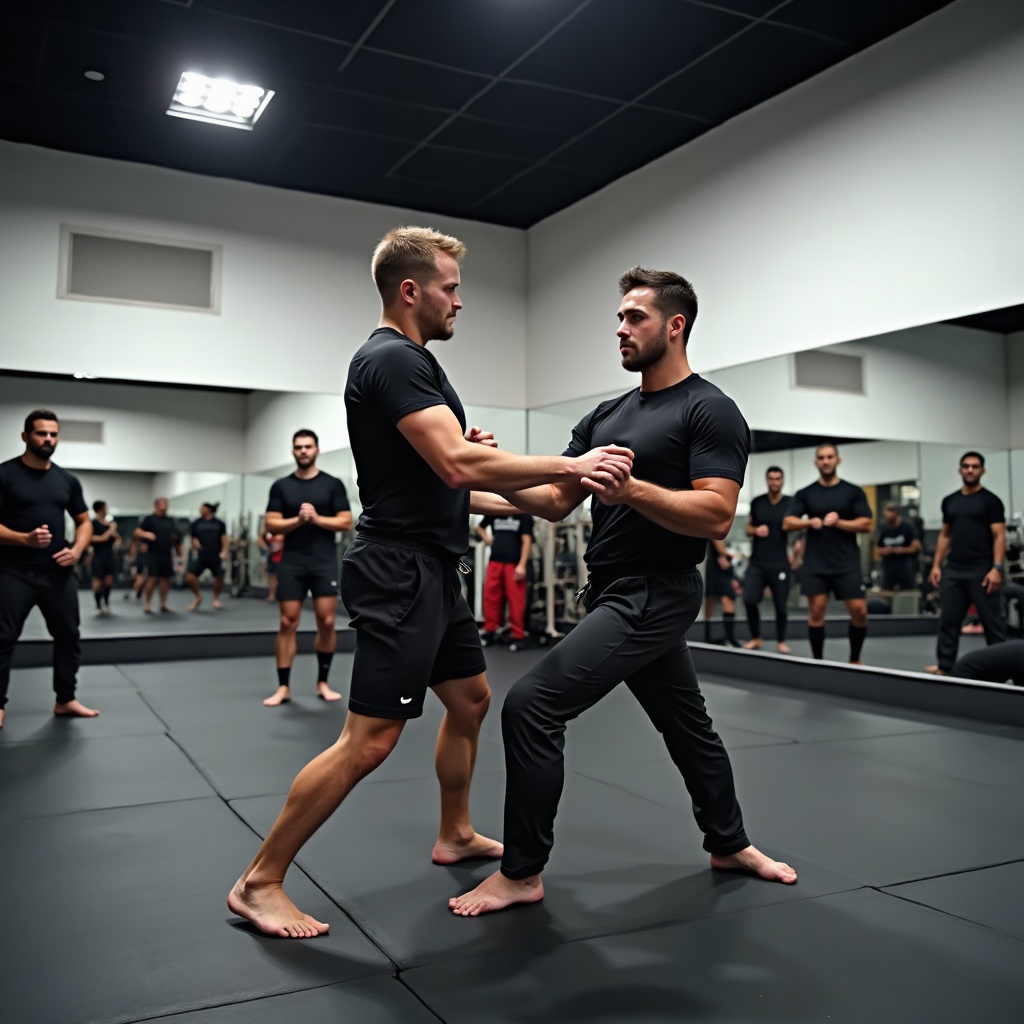
The butterfly guard is a versatile technique in Brazilian Jiu-Jitsu characterized by the use of your legs, resembling butterfly wings, to control and manipulate your opponent. It’s a favored position for its ability to seamlessly transition between defense and attack, making it a valuable addition to any BJJ practitioner’s toolset. At Aeon BJJ in London, our experienced instructors, including Eamonn, Tariq, Sam, Dee, and Dan, emphasize the fundamentals of this guard to both beginners and seasoned athletes.
Why the Butterfly Guard is Important
The butterfly guard is invaluable for several reasons. It offers control over your opponent’s posture, facilitates effective sweeps and submissions, and serves as a solid platform to transition into other attacks. It’s particularly advantageous for practitioners who face larger opponents, as the leverage gained from this position can neutralize size and strength differences.
Techniques for an Effective Butterfly Guard
To effectively execute the butterfly guard, consider the following key pointers:
Positioning and Control
1. Posture: Ensure your back is straight rather than slouched. This posture helps maintain balance and provides greater strength in sweeps.
2. Hooks: Use your feet to hook beneath your opponent’s thighs. These hooks are vital for controlling their movement and setting up sweeps.
3. Grips: Secure a strong grip on your opponent’s sleeves or gi collar to control their upper body. This leverage is crucial for various techniques.
Executing Sweeps
One of the primary advantages of the butterfly guard is its potential for sweeps. Here’s how to perform a basic sweep:
1. Off-Balancing Your Opponent: Use your hooks to lift and tilt your opponent forward, disrupting their base.
2. Rotating the Hips: Simultaneously, use your grips to rotate your hips and guide your opponent to the side.
3. Finishing the Sweep: Continue the motion until your opponent is off balance, allowing you to transition to a dominant top position.
Defending Against Passes in Butterfly Guard
As much as the butterfly guard is an offensive tool, knowing how to defend against guard passes is equally essential.
Retaining Your Guard
1. Maintaining Distance: Use your hooks to push your opponent away, breaking their posture and preventing them from closing the distance.
2. Re-gripping: If your grips are broken, work quickly to re-establish them, focusing on high-value targets like sleeves or collars.
3. Hip Movement: Stay mobile with your hips to prevent your opponent from pinning them down, essential for retaining a dynamic and effective guard.
Transitioning from Butterfly Guard
Moving to Other Guards
While the butterfly guard is powerful on its own, transitioning to other guards can enhance your offensive arsenal:
1. X-Guard: By shifting your leg position slightly and adjusting your grips, you can seamlessly enter into an X-Guard, offering additional sweep opportunities.
2. Closed Guard: If defense becomes the priority, transitioning to a closed guard can provide additional security and control.
Entry into Submission Techniques
1. Arm Drags: Use arm drags from the butterfly guard to take your opponent’s back, a highly favorable position in BJJ.
2. Guillotine Choke: With the right angle and grip, transitioning from the butterfly guard into a guillotine choke can be a surprising and effective attack.
Practical Application and Drills
Drills to Improve Your Butterfly Guard
Regular practice through drills can significantly enhance your butterfly guard’s effectiveness:
1. Solo Drills: Practice hip mobility and leg movement without a partner to improve fluidity and speed.
2. Partner Drills: Implement controlled sparring sessions to practice sweeps and defend against passes with a compliant partner.
The Aeon BJJ Experience
At Aeon BJJ, our structured classes incorporate these drills and techniques, ensuring students build a solid foundation in butterfly guard tactics. With our free trial class, new members can experience firsthand how our expert instructors provide personalized guidance in mastering these moves.
Integrating Butterfly Guard into Your Game Strategy
Rated 5★ by 94 members on Google, Aeon BJJ is known for its effective teaching methods and supportive community. Incorporating the butterfly guard into your BJJ strategy enriches your game with flexibility and adaptability, allowing you to switch between offense and defense seamlessly.
★★★★★
“Having never done Brazilian jiu jitsu or anything like it really before I wasn’t sure what to expect. But the instructor at Aeon and all the members really helped make me feel welcome and part of the team.”
— Joe · Google review
FAQ
How long does it take to master the butterfly guard?
Mastery of the butterfly guard, like any other BJJ technique, depends on consistent practice and dedication. Regular drilling and attending classes at Aeon BJJ will help speed up the process.
Is the butterfly guard suitable for beginners?
Yes, the butterfly guard is suitable for beginners. It is often taught early due to its fundamental importance and the ease with which it transitions between offense and defense.
Can I use the butterfly guard in no-gi competitions?
Absolutely! The butterfly guard is effective in both gi and no-gi settings, though grip choices may vary.
What are common mistakes to avoid with the butterfly guard?
Common mistakes include poor posture, ineffective grips, and lack of hip movement. Focusing on these fundamentals will help maintain control.
In conclusion, mastering the butterfly guard can greatly enhance your Brazilian Jiu-Jitsu experience, providing a versatile approach for both defense and attack. At Aeon BJJ, our expert instructors are passionate about helping you refine these techniques, whether you’re taking your first free trial class or attending regular sessions.