
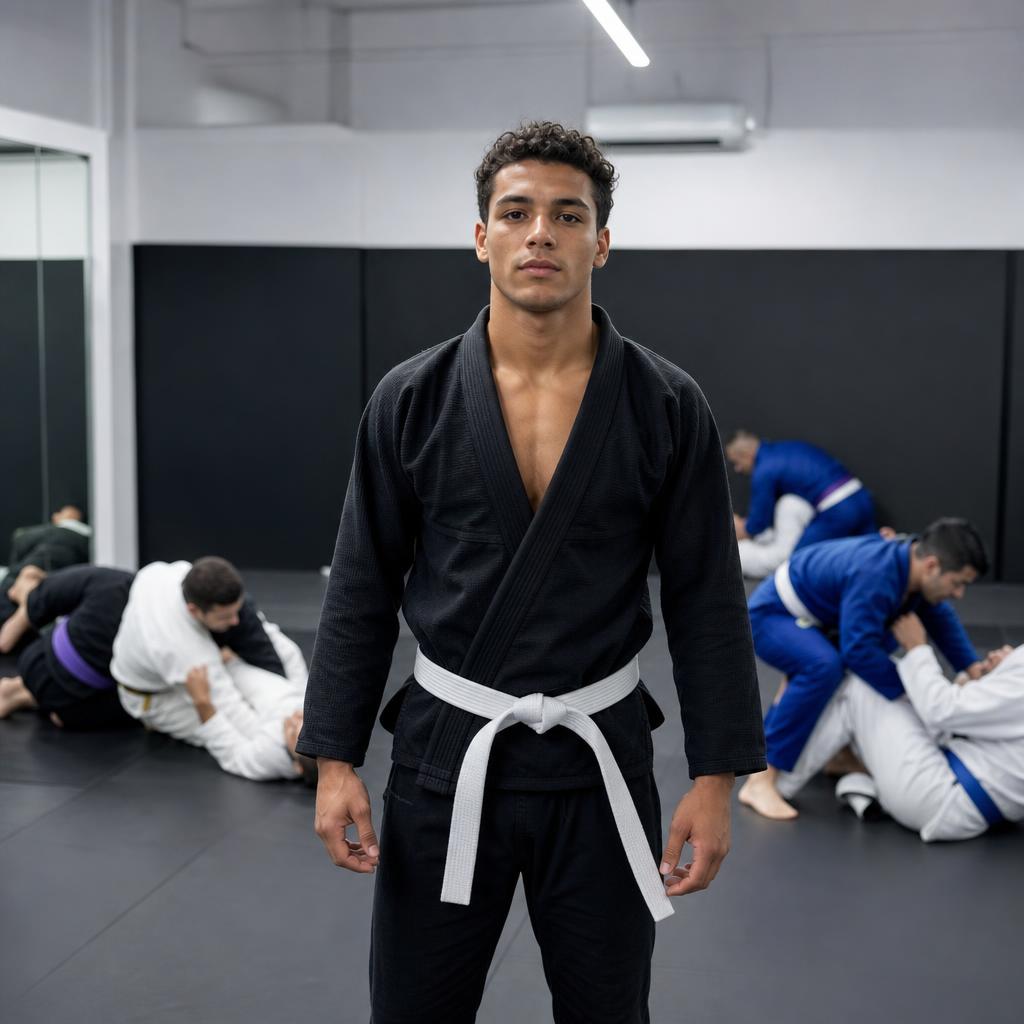
When it comes to effective martial arts training, Brazilian Jiu-Jitsu (BJJ) stands as an indispensable discipline within the broader framework of Mixed Martial Arts (MMA). Many successful fighters owe a significant part of their success to skills honed on the BJJ mat. At Aeon BJJ, we’ve seen firsthand how BJJ can transform an MMA fighter’s grappling abilities and overall combat effectiveness. Given the complexity and evolving nature of MMA, understanding how BJJ fits into this structure can often be the game-changer in competitions.
The Core Principles of BJJ within MMA
At its core, Brazilian Jiu-Jitsu is about control and submission through leverage, positioning, and technique rather than brute force. This becomes particularly significant in MMA, where the ground game often decides the outcome of a fight. BJJ’s principles allow fighters to stay calm under pressure, use their opponent’s energy against them, and secure positions that can lead to submissions or advantageous striking opportunities.
Positional Dominance
Understanding the mechanics of positions such as the guard, mount, and back control forms the backbone of BJJ in MMA. The guard, which can be open, closed, or variations like the butterfly and rubber guard, allows fighters to attack from the bottom and defend against strikes. Transitioning smoothly between positions is crucial for maintaining and achieving dominance. For fighters training at Aeon BJJ, the progression from guard to mount, for instance, is a drilled sequence that becomes second nature, providing pathways to unleash a barrage of strikes or secure a submission.
Leverage and Technique Over Power
One of the true strengths of BJJ is its emphasis on technique over sheer strength. This aspect of BJJ is crucial in MMA, where fighters often find themselves up against larger, stronger opponents. Techniques like the triangle choke, armbar, and omoplata are staples in a BJJ practitioner’s arsenal, capable of neutralizing opponents in ways that brute force cannot. This technical proficiency cultivated in BJJ provides MMA fighters with strategic options that can turn the tables during a tightly contested bout.
BJJ Techniques Essential for MMA Success
For any aspiring MMA athlete, incorporating BJJ techniques into their training regimen is vital. Let’s explore some core BJJ techniques that directly benefit MMA fighters.
Transitioning from Standup to Ground Game
The clinch often serves as the bridge between standup striking and the ground game in MMA. A well-executed takedown can lead to a dominant ground position. Techniques such as the double leg takedown or single leg takedown are quintessential in transitioning the fight from the feet to the mat. Coupling these techniques with BJJ submissions like the guillotine choke can turn a defensive position quickly into an offensive opportunity.
Submissions and Escapes
Submissions such as the rear-naked choke (RNC) and the triangle choke are universally revered. They are both strategic and tactical — a fighter can execute these to finish the match, no matter their position. In our Rear Naked Choke Guide, we break down the intricacies of this effective submission. Moreover, knowing how to escape from common submission holds is equally important, as it allows fighters to conserve energy and reposition themselves more favorably.
Integrating BJJ and MMA Training
For practitioners at Aeon BJJ, integrating Brazilian Jiu-Jitsu into their MMA training involves more than just mastering techniques. It requires understanding how BJJ training influences conditioning, mental resilience, and strategic thinking.
Developing a Resilient Mindset
Mental toughness is often the differentiator in high-stakes MMA contexts. BJJ demands patience, adaptability, and the ability to remain composed under duress, which are crucial for MMA fighters facing relentless pressure. The sparring environment in our Adult Classes at Aeon BJJ nurtures these mental attributes, as students learn to push through challenging positions and explore new strategic paradigms.
Physical Conditioning
While BJJ itself provides ample conditioning benefits, MMA fighters require conditioning regimens that address both aerobic and anaerobic needs. Grappling rounds mimic real fight scenarios, increasing endurance, while drilling submissions and escapes enhance anaerobic capacity.
Common Challenges and Solutions in BJJ for MMA
Transitioning from a BJJ-focused training to the more physically demanding world of MMA can present challenges. Here’s how practitioners can overcome common obstacles.
Adapting Techniques for Striking
BJJ techniques often have to be adapted for a mixed ruleset where strikes are legal. For example, maintaining a high guard can protect against punches while preparing for submissions or sweeps. Adaptive guard work, such as using the closed guard to disrupt an opponent’s balance while striking, becomes a meta-skill in MMA.
Balancing Training Schedules
With the need to focus on striking, wrestling, and grappling, time management and training balance are key. A robust weekly schedule incorporating BJJ drills, striking sessions, and recovery time ensures comprehensive development and injury prevention.
Key Takeaways
- BJJ’s emphasis on technique and leverage complements striking-focused MMA disciplines.
- Mastery of transitions and submissions is crucial for effective ground control in MMA.
- Building mental resilience and adaptability is a natural byproduct of BJJ training.
- Integrating BJJ requires focus on both standalone technique development and conditioning.
- Balancing BJJ with other martial arts disciplines optimizes an MMA fighter’s capabilities.
FAQ
How often should I integrate BJJ into my MMA training?
To effectively integrate BJJ, aim for at least two focused grappling sessions per week, complementing your overall MMA training with specific BJJ technical drilling and scenario sparring.
What are the key BJJ positions to master for MMA?
Key positions include closed guard, half guard, back control, and mount. Mastery of these positions allows for effective defense, attack options, and transitioning, which are essential in MMA.
Is BJJ effective against larger opponents in MMA?
Yes, the leverage and technique focus of BJJ make it effective against larger opponents, allowing for control and submission opportunities without relying on strength.
How can BJJ improve my MMA skills beyond submissions?
BJJ enhances your ability to control opponents on the ground, improves understanding of body mechanics, and builds resilience and strategic thinking essential for MMA combat.
How can beginners start integrating BJJ into their MMA training?
Beginners should start by taking a free trial class at Aeon BJJ to get acquainted with foundational techniques before incorporating them into broader MMA training.
Understanding the interplay between Brazilian Jiu-Jitsu and MMA can lead to profound improvements in a fighter’s effectiveness and versatility within the cage. As MMA continues to evolve, the value of integrating BJJ remains a constant thread in the fabric of this diverse and dynamic sport. For fighters looking to refine their game, incorporating structured grappling sessions within their training at Aeon BJJ can make a marked difference. For those looking to deepen their understanding of wall work techniques, Monarchy MMA’s MMA wall work covers this in detail, offering insight into another critical aspect of MMA.
What Our Students Say — 5★ | Based on 95 Reviews
★★★★★
“Incredibly warm environment for anyone wanting to try bjj. The instruction is world class and the team has a family feel.”
— Chris