
—
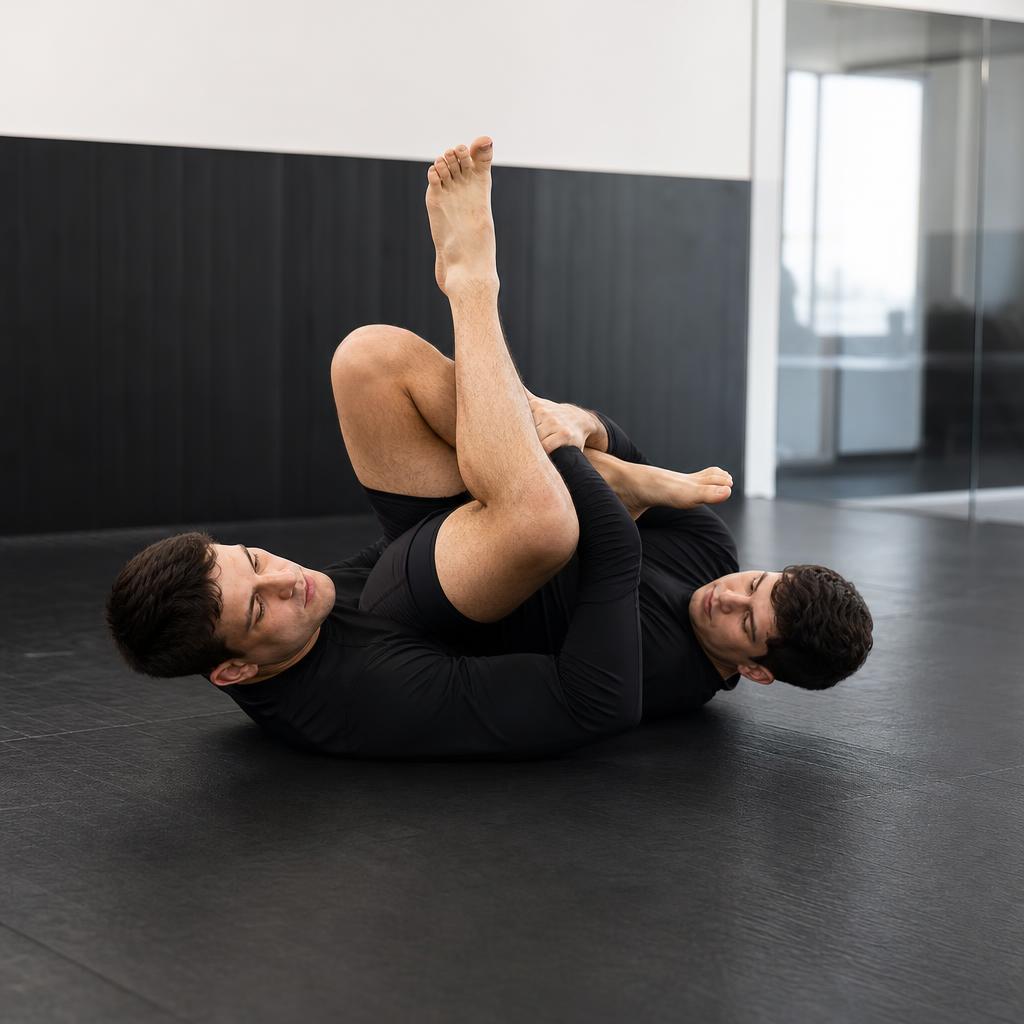
As you don your purple belt and step firmly into the realm of intermediate Brazilian Jiu-Jitsu, the intricacies of the game become more pronounced. Guard retention is one of the critical skills that often determines success or failure on the mat, yet it remains one of the most challenging aspects to master as you advance. For those at Aeon BJJ and others training around the world, developing and refining your guard retention skills is not just about maintaining position—it’s about enhancing your entire BJJ proficiency.
Understanding the Guard Retention Fundamentals
Guard retention is the art of preventing your opponent from passing your guard. A solid guard is your fortress on the mat, and retention strategies ensure that your defenses remain impenetrable. As a purple belt, you’ve likely already experimented with various guards and discovered preferred sequences. Now, it’s time to delve deeper and understand the nuances that can elevate your game.
Exploring Various Guard Types
The purple belt is often associated with a more personalized approach to the guard game. Asa practitioner, you likely have a favorite guard—whether it be closed guard, spider guard, or De La Riva. Understanding the strengths and limitations of each type can guide you towards more strategic guard retention.
For example, players who favor the spider guard must focus on maintaining active foot hooks and controlling their opponent’s sleeves to prevent them from advancing forward. In contrast, if the half-guard is your go-to, understanding how to use your knee shield effectively can hinder your opponent’s pass attempts.
Transitioning Between Guards
An important aspect of guard retention at the purple belt is the ability to transition seamlessly between different guards. This adaptability allows you to respond to various pass attempts, creating fluidity and unpredictability in your defense.
For example, transitioning from an open guard to a butterfly guard can be an effective way to maintain control if your opponent attempts to break free. Practicing these transitions not only helps in retaining the guard but also opens opportunities for sweeps or submissions such as the triangle choke. Keeping this in mind as you train at Aeon BJJ can significantly enhance your defensive strategies.
Developing Core Moves for Guard Retention
To retain guard effectively, it’s crucial to master specific techniques that safeguard your position. At the purple belt level, this means refining techniques such as framing, re-guarding, and hip movement.
Framing and Distance Management
Effective framing involves creating and maintaining a physical barrier between you and your opponent using your arms and legs. Proper frames can keep your opponent at a distance, allowing you time to reposition or execute a counter-move. The ability to control the distance will often dictate the success of your guard retention efforts.
A well-timed frame can also set you up for offensive maneuvers. As demonstrated in our Rear Naked Choke Guide, understanding your available offensive options can transform defensive strategies into offensive opportunities.
Re-guarding Techniques
Re-guarding, or re-establishing your guard after it’s been partially passed, is integral. Techniques like the Granby roll or a well-executed hip escape can enable you to regain a strong guard position.
At Aeon BJJ, we emphasize drills that focus on the quick hip swivel or shrimping techniques, which are foundational for effective re-guarding maneuvers.
Common Mistakes vs Correct Form in Guard Retention
Understanding the frequent pitfalls and how to avoid them can drastically improve your guard retention. Here is a useful comparison:
| Common Mistake | Correct Form |
|---|---|
| Over-reliance on strength | Focus on technique and leverage |
| Inactive legs and grips | Active hooks and grips for control |
| Slow reaction to guard passes | Anticipate and preempt opponent moves |
| Poor hip movement | Controlled and strategic hip escapes |
What Our Students Say — 5★ | Based on 95 Reviews
★★★★★
“Having never done Brazilian jiu jitsu or anything like it really before I wasn’t sure what to expect. But the instructor at Aeon and all the members really helped make me feel welcome and part of the team.”
— Joe
The Role of Scrambles and Guard Recovery
Scrambles are chaotic moments that happen when guard retention fails, but they’re also opportunities to regain control. At the purple belt level, turning these moments in your favor hinges on fast reflexes and strategic thinking.
Strategizing In Scrambles
During scrambles, every split-second decision counts. Understanding timing and positioning allows you to regain control swiftly. Developing an intuitive sense during these moments, such as implementing butterfly hooks, can convert a failed guard retention into a successful sweep.
For those looking to deepen their understanding of guard mechanics, Cobrinha BJJ’s extensive coverage on gi guard techniques offers detailed insights into advanced concepts and can greatly complement your training.
Guard Recovery Drills
Practicing specific drills that mimic scramble situations can enhance your reaction speed and decision-making skills. Drills such as the “invisible tie” game, where you recover guard from various scrambles, can be a fun and effective way to improve your technique.
At Aeon BJJ, we incorporate situational sparring in our classes, allowing students to experience the practical application of guard recovery under pressure.
Bringing It All Together: Tailoring Your Training
As a purple belt, refining your guard retention requires a holistic approach: a combination of technical skills, strategic thinking, and conditional drills. Attention to detail in training and incorporating specific scenarios into your practice can make your guard a formidable barrier to pass.
Integrating Technique and Strategy
At this level, blending your favorite techniques with strategic insights can yield significant results. Integrating drills such as the triangle choke for offensive guard play, or using seated guard entry tactics, can provide a well-rounded defense ready for any opponent.
By attending Aeon BJJ’s tailored drills and lessons, including our focus on managing competition nerves, practitioners can reduce stress and sharpen their guard retention skills. Rated 5★ by 95 members on Google, our methods align with the highest standards for efficiency and effectiveness on the mat.
Key Takeaways
- Adopt a strategic approach to guard retention by understanding the strengths and limitations of different guard types.
- Practice transitioning between guards to build a responsive defense.
- Focus on framing and distance management to enhance control and create offensive opportunities.
- Participate in scenario-based drills at Aeon BJJ to refine your skills in practical, pressure-filled environments.
- Leverage additional resources and expert guidance available to deepen your guard retention expertise.
FAQ
What are the most effective guards for retention at the purple belt?
The most effective guard often depends on personal preference and style, though closed guard, spider guard, and De La Riva are frequently recommended due to their controllable nature and strategic options.
How can I train to improve my guard retention?
Consistent practice of re-guarding drills, scrambles, and position-specific transitions can significantly enhance guard retention skills. Participating in planned sparring at Aeon BJJ can also provide practical application.
What should I focus on most to prevent guard passes?
Prioritize positioning, grips, and hip movement. Always stay proactive with your grips and frames, anticipating and responding to your opponent’s movements promptly.
How important is flexibility for guard retention?
While flexibility can aid in performing certain guard techniques and transitions, it’s equally important to focus on leverage and technique to maximize effectiveness.
Is drilling specific guard retention techniques effective?
Yes, drilling specific techniques such as framing and transitioning between guards can create muscle memory, making your defensive responses instinctive during live sparring situations.
Embark on this journey to mastery at Aeon BJJ, blending technical knowledge with strategic acumen, and elevate your guard retention to new heights as a purple belt.