
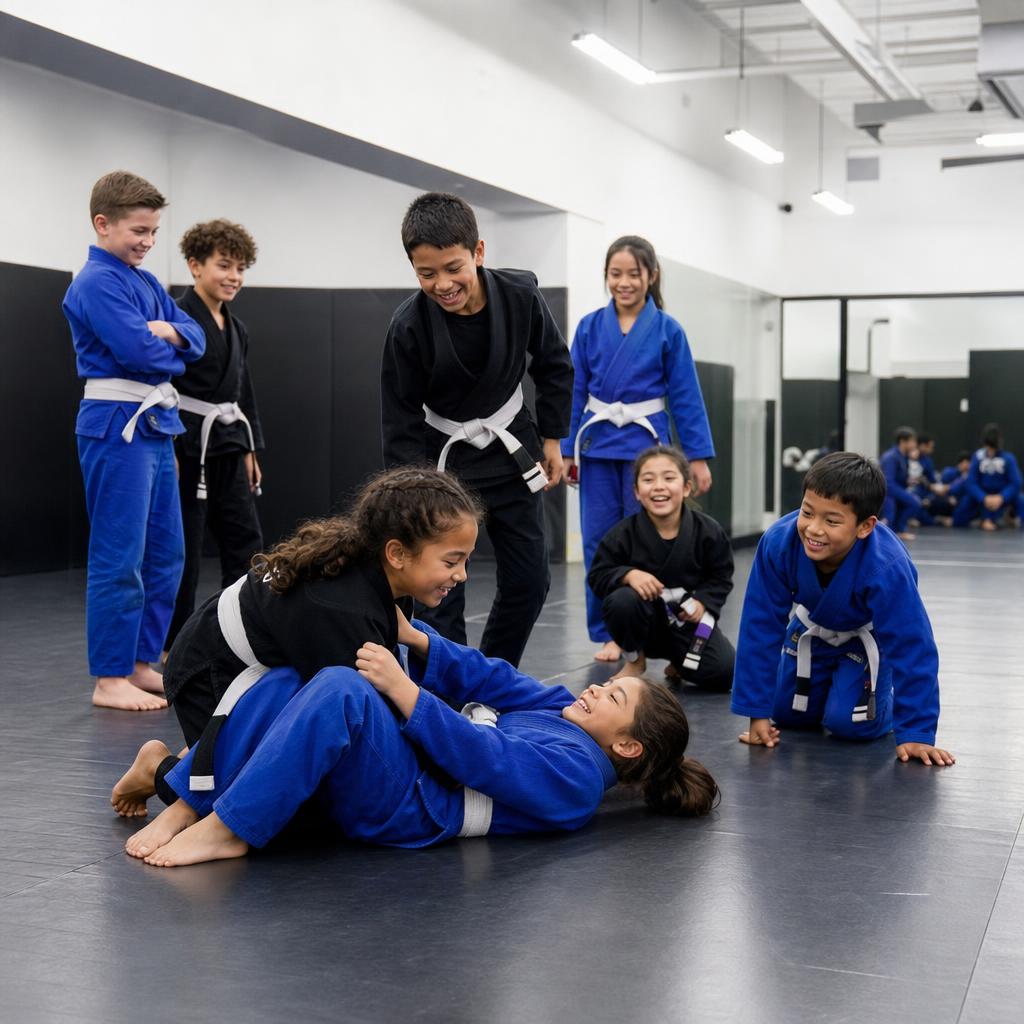
Teen Brazilian Jiu-Jitsu (BJJ) classes offer more than just a martial arts experience. They are a transformative journey that builds not only physical strength and self-defense skills but also mental resilience, discipline, and self-confidence in young adults. At Aeon BJJ in London, these classes aim to provide teenagers with a comprehensive developmental pathway in a structured and supportive environment. Teen BJJ is more than just grappling on a mat; it’s about learning life lessons while getting fit and making new friends.
The Unique Benefits of Teen BJJ
When considering martial arts for your teenager, BJJ stands out as one of the most holistic choices. Unlike many traditional sports, BJJ focuses on leverage and technique, making it accessible to individuals of all sizes and strengths. This ensures that teens learn to neutralize a larger or stronger opponent, which is both empowering and confidence-building.
Participating in BJJ classes enhances physical fitness through dynamic movements and drills that improve cardio, strength, and flexibility. Furthermore, BJJ promotes mental agility by encouraging teens to strategize and problem-solve in real-time, translating these skills into their academic and personal lives. The camaraderie built within the BJJ community at Aeon BJJ offers a sense of belonging, which is essential during the often tumultuous teen years.
A Typical Teen BJJ Class: What to Expect
Stepping onto the mat for the first time can be intimidating, but knowing what to expect eases any anxieties. At Aeon BJJ, classes are structured to accommodate beginners and allow for gradual progression. Each session begins with a warm-up to prepare the body, followed by technique instruction where instructors like Eamonn and Tariq break down movements such as guard passing or executing a rear-naked choke.
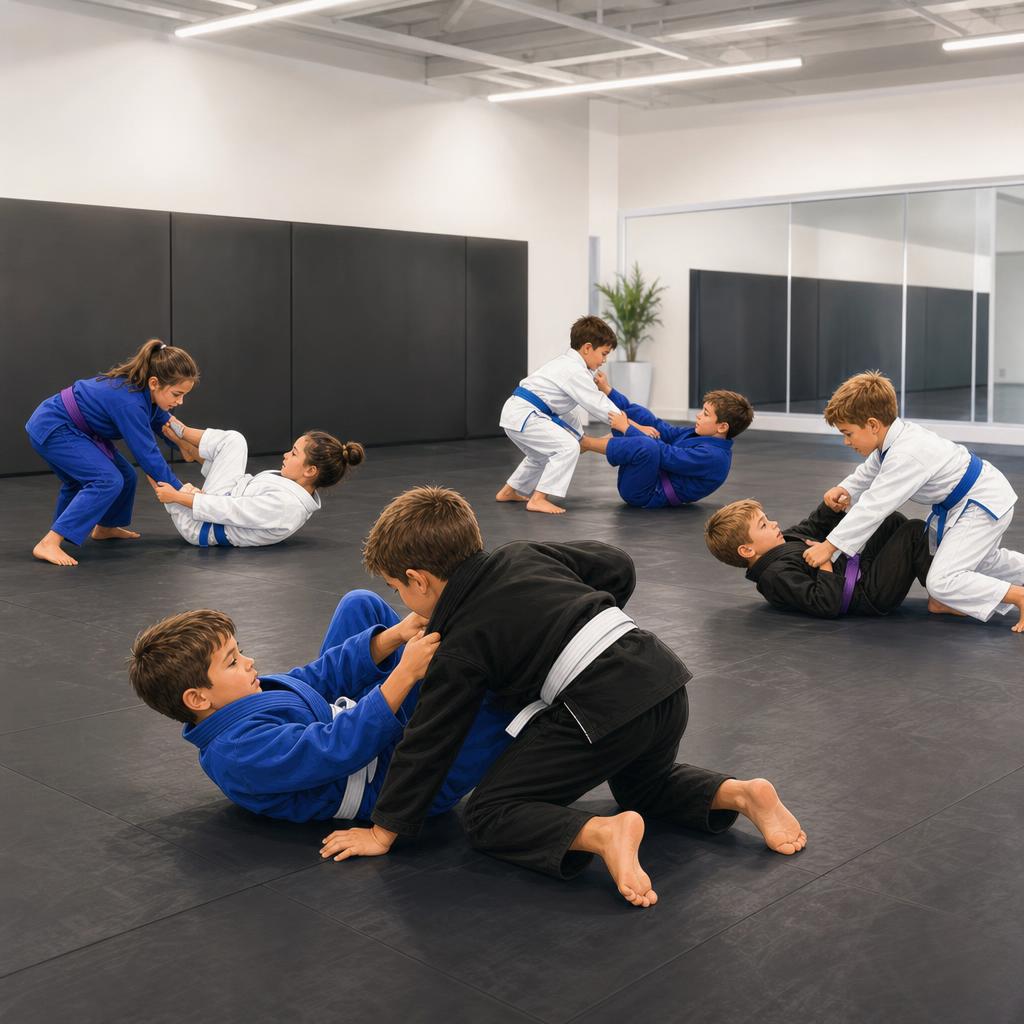
After learning techniques, students pair up to practice under supervision. This segment is crucial as it helps teens apply what they’ve learned in a controlled environment, honing their skills with partners who challenge them safely. Classes typically end with a cooldown and a short discussion or Q&A, where students can reflect on their achievements and set new goals.
Overcoming Challenges in BJJ
Every martial art journey has its challenges, and BJJ is no exception. Teens may face various obstacles such as managing nerves during their first sparring session or preparing for their first competition. At Aeon BJJ, we prioritize creating a supportive environment where these challenges are met with encouragement and guidance.
Instructors emphasize resilience, teaching students to adopt a growth mindset. Learning techniques like the Berimbolo or defending against a triangle choke involves repeated failures and gradual improvement, instilling patience and perseverance. For those looking to deepen their understanding of these challenges, BJJ.ee’s case study of a teen’s BJJ journey offers an insightful look into real-world applications of these skills.
Techniques to Master in Teen BJJ
Practicing BJJ involves mastering numerous techniques, each with its strategic purpose on the mat. Some fundamental skills every teen will learn include the guard pass and the rear naked choke. The guard pass involves maneuvering around an opponent’s legs to dominate from a top position, while the rear naked choke is a submission move that requires precise execution to outmaneuver an opponent and secure a win.
Guard Pass vs. Rear Naked Choke
Choosing between a guard pass and a rear naked choke depends on the situation during a match. The table below outlines the differences between these two techniques:
| Aspect | Guard Pass | Rear Naked Choke |
|---|---|---|
| Goal | Improve position to gain control | Achieve submission through choke |
| Application | Defensive and positional strategy | Offensive stratagem to submit opponent |
| Training Focus | Footwork and positioning | Grip placement and pressure control |
| Energy Expenditure | Medium to high | Low to medium |
Understanding when and how to apply these techniques gives a strategic edge, making BJJ both a mental and physical discipline.
Step-by-Step: Mastering the Guard Pass
One of the first tasks in becoming proficient in BJJ is mastering the guard pass. Here’s a simple guide to performing a basic guard pass:
1. Maintain Posture: Begin in your opponent’s closed guard. Sit back slightly, maintaining a straight posture to prevent being pulled forward.
2. Grip Control: Use one hand to grip your opponent’s gi at their belt, while the other controls their sleeve, preventing them from pulling you in.
3. Knee Positioning: Stand up in base by posting one foot to the floor while maintaining grip control. Use your knee to open your opponent’s guard by pressing against their inner thigh.
4. Slide and Secure: Once their guard is open, slide the knee of the standing leg across their hips to enter side control. Secure your position by establishing dominant grips on their torso.
Practicing these steps builds confidence and technique, essential for a solid foundation in BJJ.
Why Aeon BJJ is the Perfect Place for Teens
Selecting the right gym is crucial for your teen’s success and enjoyment in BJJ. At Aeon BJJ, located in London, we offer a welcoming and highly-rated environment. With a stellar 5★ rating from 95 members on Google, our community is dedicated to fostering growth through supportive instruction and peer engagement.
Our instructors, like Dan and Dee, bring a wealth of knowledge and a passion for teaching that inspires every teenager stepping onto the mat. The free trial class we offer provides a no-commitment opportunity for teens and their parents to experience the vibrant atmosphere and expert coaching firsthand.
To discover more about the opportunities available for youth at Aeon BJJ, check out our Youth Classes.
Key Takeaways
- Teen BJJ classes build physical strength, mental resilience, and self-confidence.
- Classes at Aeon BJJ include technique instruction, practice, and sparring in a supportive environment.
- Understanding techniques like the guard pass and rear naked choke is crucial for competitive advantage.
- Mastering BJJ requires patience and a mindset open to learning from failure.
- Aeon BJJ provides a welcoming environment with skilled instructors and a supportive community.
FAQ
What should my teen wear to their first BJJ class?
For their first class, comfortable athletic clothing is suitable. If they decide to continue, a gi (BJJ uniform) will be required.
Are BJJ classes safe for teens?
Yes, BJJ is considered one of the safest martial arts. At Aeon BJJ, classes are conducted with a focus on safety, supervision, and respect for others.
How does BJJ help with fitness?
BJJ offers a full-body workout that enhances cardio, flexibility, and strength, along with skills in self-defense and tactical thinking.
Can my teen participate in BJJ competitions?
Absolutely! Aeon BJJ encourages students to participate in competitions when they feel ready. It’s an excellent way to challenge themselves and track progress.
Is there a grading system in BJJ for teenagers?
Yes, BJJ has a belt system that acknowledges progression. Teens will progress through different belt colors as they develop their skills.
Exploring the world of Brazilian Jiu-Jitsu can be a rewarding journey for teens, offering opportunities for physical, mental, and social growth. At Aeon BJJ, we’re committed to providing a stellar experience that sets the foundation for lifelong benefits through martial arts.
What Our Students Say — 5★ | Based on 95 Reviews
★★★★★
“Aeon BJJ is exactly what a martial arts academy should be. Highly recommended.”
— Sam