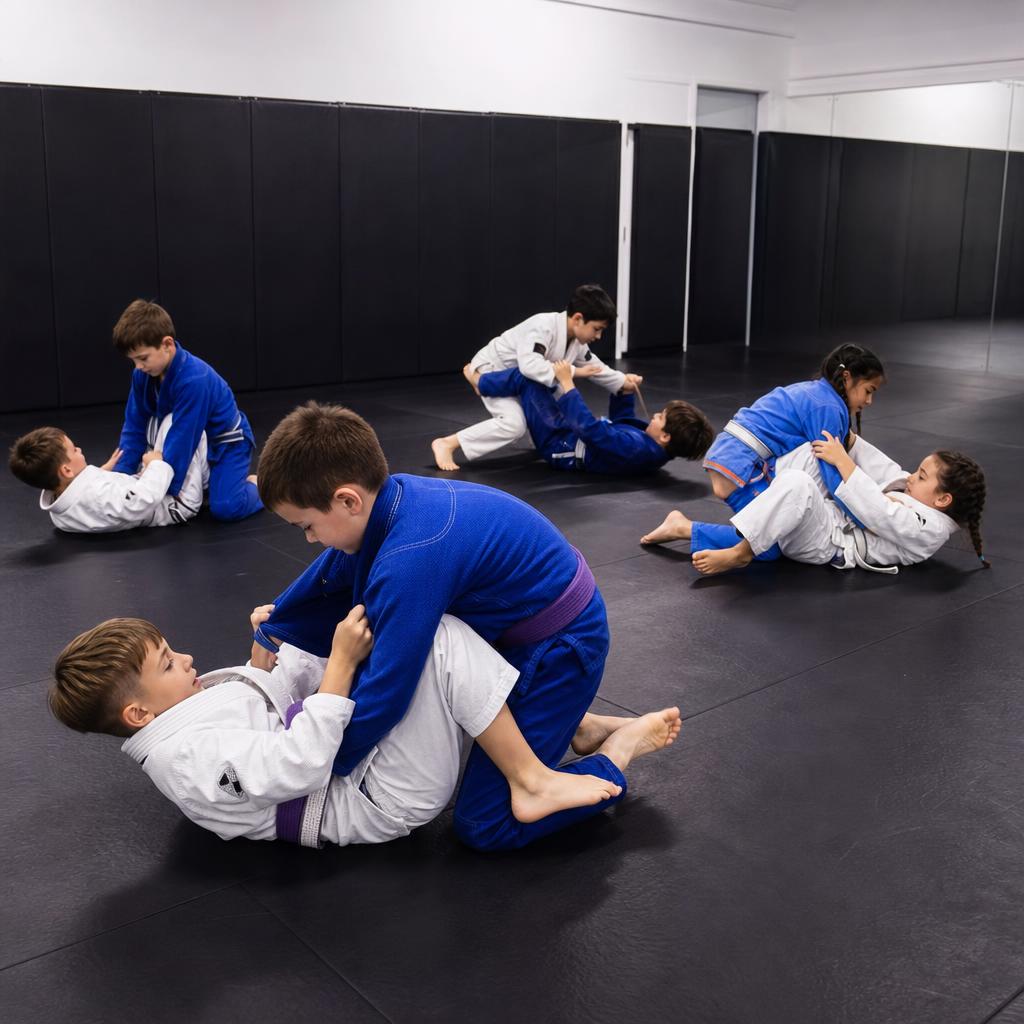
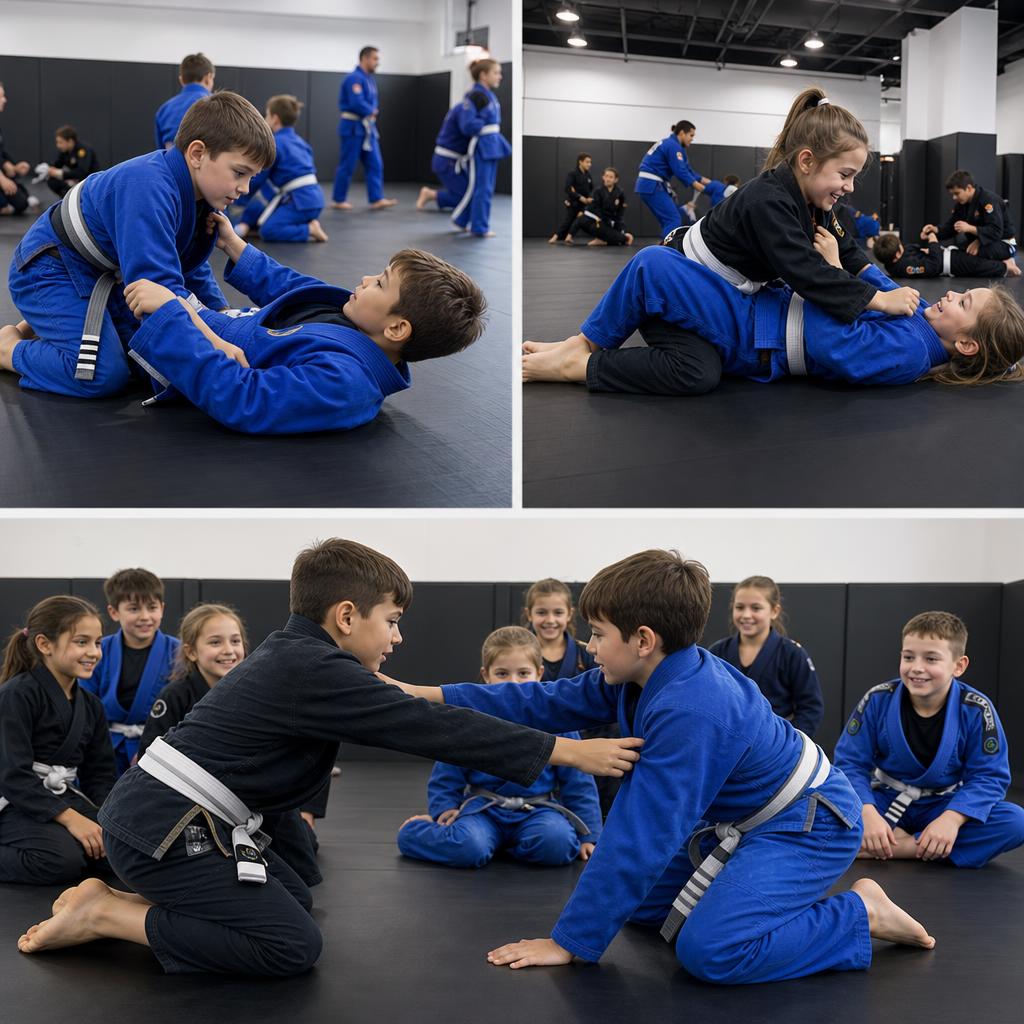
Learning Brazilian Jiu-Jitsu is a journey packed with patience, perseverance, and progress. While the path is rewarding for practitioners of all ages, the excitement and intricacies evolve when it comes to kids. With unique motivations and learning paces, children embark on a path that not only instills discipline but also establishes a lifelong love for martial arts. The kids BJJ belt system is a fundamental part of this journey, providing a structured way to measure achievement and growth. Let’s dive into understanding this system, exploring why it matters, and how it benefits young practitioners at Aeon BJJ in London.
The Structure of the BJJ Belt System for Kids
The Brazilian Jiu-Jitsu belt system provides not just a visual representation of a student’s progress but also a roadmap of their martial arts journey. In kids, this system has distinct parameters compared to adults.
Starting with the white belt, the first major step, kids progress through the grey, yellow, orange, and green belts. Each of these colored belts is further divided into levels: solid, white-and-color, and color-and-black. These various stages are reflective not only of technique proficiency but also of the time committed to training. Progression through these belts can sometimes be faster for kids as they absorb new information quickly. However, it’s crucial to focus on the genuine learning of techniques rather than just earning belts.
The kids’ belt system helps inculcate values like dedication and respect, aligning with Aeon BJJ’s ethos of fostering personal development through martial arts.
How the Belt System Supports Child Development
The belt system is more than just an indicator of proficiency; it plays a crucial role in children’s overall development. Earning a new belt serves as positive reinforcement and helps build self-esteem. It encourages kids to set goals and work towards them diligently.
Establishing Discipline and Focus
One of the most significant advantages of the BJJ belt system in children is that it encourages discipline and focus. As kids practice techniques repeatedly to master them, they learn to concentrate and pay attention to details, which can aid their academic and personal growth. Aeon BJJ prioritizes these life skills, promoting resilience and perseverance through its training programs.
Socialization and Team Spirit
The dojo is more than a place to learn martial arts; it’s a community. The shared experience of striving towards similar goals fosters camaraderie and teamwork among peers. This environment is nurtured at Aeon BJJ, where young athletes also learn vital skills like managing disappointments and celebrating successes together.
Tactical Training: Techniques and Transitions
Understanding Brazilian Jiu-Jitsu is akin to learning a new language. For kids, this martial art introduces them to a world of techniques and transitions.
Key Techniques for Each Belt Level
– White Belt: The basics—guard positions, simple sweeps, and submissions like the armbar and triangle choke.
– Grey Belt: Introduction to more complex guards like the closed guard; learning to escape from pins.
– Yellow Belt: Advanced transitions, such as moving from guard to mount; mastering techniques like the kimura and guillotine choke.
– Orange Belt: Refining strategic rolls and counters; understanding the implications of timing in submissions.
– Green Belt: Focusing on a broader strategy; developing personal game plans.
Each belt introduces unique challenges, encouraging students at Aeon BJJ to refine their command of the techniques they’ve already learned while integrating new ones into their arsenal.
Comparison of Belt Expectations: Kids vs. Adults
Understanding the differences in belt progression between kids and adults can help set appropriate expectations for young practitioners and their parents at Aeon BJJ.
| Aspect | Kids Belt Progression | Adults Belt Progression |
|---|---|---|
| Learning Focus | Foundational techniques, discipline, fun | Advanced techniques, strategic depth |
| Time Span | 1-2 years per belt, can vary by age and dedication | 1-3 years per belt, dependent on skill and practice |
| Evaluation | Technique accuracy, personal growth | Competency in complex techniques |
| Positive Reinforcement | Frequent milestones through stripe promotions | Less frequent but significant milestones |
What Our Students Say — 5★ | Based on 95 Reviews
★★★★★
“Very good place for developing strong cardio and life skills. BJJ teaches you a lot about yourself.”
— Iqbal
The Testing Process and Importance of Patience
Belts are not just handed out; they are earned through commitment and skill demonstration in testing scenarios.
Preparing for a Belt Test
At Aeon BJJ, preparing for a belt test involves persistent practice and positive attitude formation. Instructors guide kids on mastering techniques and developing confidence. Parents often play an important supportive role in encouraging their children to practice accountability and independence.
In moments of doubt or fear, remember the motivation that the community brings; Aeon BJJ has a reputation of being rated 5★ by 95 members on Google for fostering a supportive environment.
Handling Nerves and Building Confidence
It’s natural for kids to feel nervous during tests. Encouragement and support from instructors like Eamonn, Tariq, Sam, Dee, and Dan can go a long way in easing these feelings. The test is not just about assessing skills but also about celebrating progress.
Key Takeaways
- The kids’ BJJ belt system is designed to support child development and progress in martial arts.
- Belts provide motivation and help cultivate discipline, focus, and persistence.
- Each belt level in kids’ BJJ introduces a new set of techniques and challenges.
- Frequent evaluations assist in mastering skills and make the learning process rewarding.
- Parents play a critical role by encouraging practice and supporting their child’s journey.
FAQ
How often are kids tested for their next BJJ belt?
Children are generally assessed for their next belt every 6 to 12 months, depending on their progress and age. Regular attendance and skill proficiency are crucial factors in this timeline.
How can I help my child prepare for a BJJ belt test?
Supporting daily practice, encouraging them to attend classes regularly, and communicating with their instructors about areas to focus on can be highly beneficial. Building a home practice routine can also enhance their readiness.
Is the kids BJJ belt system the same as adults?
No, the kids’ BJJ belt system has more stages and different colors compared to adults. It’s designed not only to reward technical skill but also to support developmental milestones and growth.
What values does the BJJ belt system teach children?
The system teaches discipline, perseverance, respect, and dedication. Beyond techniques, these values foster personal growth that extends beyond the mat.
Can my child have a free trial class at Aeon BJJ?
Yes, Aeon BJJ offers a free trial class for new members, which is a great opportunity for your child to experience the class environment and begin their martial arts journey.
Understanding the kids’ BJJ belt system is an excellent way to support your child’s martial arts journey. For those looking to deepen their understanding of Brazilian Jiu-Jitsu’s nuances and its community, BJJ.ee’s insightful article on the controversy surrounding certain belt claims covers this in detail. Whether your child is just starting or already advancing through the belts, Aeon BJJ offers a nurturing environment to help them thrive.