

Brazilian Jiu-Jitsu (BJJ) is a martial art renowned for its strategic and technical depth. Chief among these techniques is ‘guard play,’ which has evolved dramatically over the years. From humble beginnings to a central fixture in modern competitions, guard play has reshaped the landscape of BJJ tournaments. It’s no exaggeration to say that mastering guard positions can make or break a competitor’s success on the mat. As an experienced gym operator and coach with over 14 years in the field, I’ve witnessed firsthand the transformative impact of guard evolution on competitors’ strategy and performance.
The Roots of Guard Play in BJJ
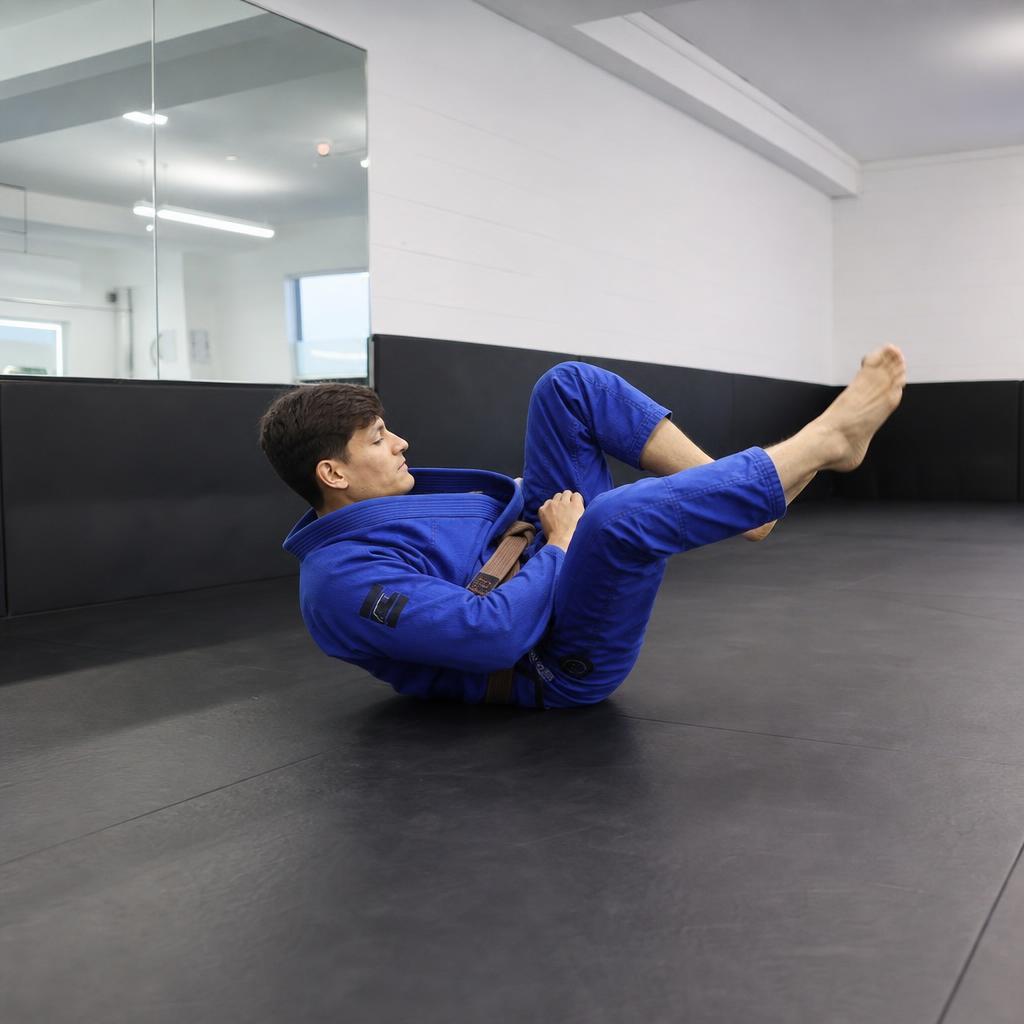
The history of guard play in Brazilian Jiu-Jitsu traces back to the early days of the Gracie family, the founders of BJJ. The guard was initially a defensive position employed to manage fights from one’s back when standing techniques weren’t an option. Pioneers like Helio Gracie refined the guard, utilizing it to control opponents effectively while searching for submission opportunities. As BJJ grew internationally, practitioners began to realize the guard’s potential as a dynamic and offensive position.
Today, guard play is no longer merely about defense; it’s a strategic chess game where the guard player actively controls, disrupts, and seeks to submit their opponent. This evolution has come from a combination of traditional principles and the infusion of creative new techniques by modern athletes.
Evolution Through Innovation
Modern-day BJJ tournaments have witnessed significant innovations in guard play. Techniques like the De La Riva guard, spider guard, and worm guard have risen to prominence due to their effectiveness. These positions have been honed to give practitioners tremendous control and versatility.
For example, the De La Riva guard developed from the traditional open guard to present new sweeping and attacking angles. Athletes began to leverage Daily Riva’s concepts to create new guard types that could transition effortlessly between attacks and reversals.
For those looking to deepen their understanding of specific guard techniques, Cobrinha BJJ’s Gi Guard content covers this in detail, illustrating how seasoned practitioners refine their strategies with these positions.
Mastering the Guard: Tactical Advice
Developing a strong guard game requires both understanding the fundamentals and incorporating advanced techniques into one’s training. Below is a step-by-step approach to mastering guard play:
Step-by-Step Training Strategy
1. Fundamentals First: Start with the closed guard, the most basic yet powerful tool in BJJ. Focus on maintaining control and posture, and master sweeps like scissor sweeps and hip bump sweeps before advancing.
2. Expand Your Arsenal: Learn to incorporate the open guard positions—De La Riva and spider guard. Practice transitioning between guards seamlessly to confuse your opponent.
3. Drill for Precision: Regular drilling of guard transitions is crucial. Focus on fluidity and efficiency by setting specific drills, such as maintaining guard against an opponent’s attempts to pass.
4. Live Sparring: Put your skills to the test against live resistance. Position sparring from the guard helps simulate real competition conditions while refining your adaptability.
5. Feedback and Adjustment: At Aeon BJJ, instructors like Eamonn, Tariq, and Sam offer personalized feedback that helps students refine their techniques according to individual strengths and weaknesses.
Analyzing Competition Trends
In the competitive arena, guard play dictates outcomes. Many high-level competitors have built their successes on the back of advanced guard strategies. An important trend is the increasing diversity in guard styles seen in tournaments. Competitors today are skilled in a multitude of guard forms, adapting them according to their opponent’s style and weaknesses.
Guard Play Table Comparison
| Technique | Application |
|---|---|
| Closed Guard | Control and submission focus, suitable for beginners to advanced. |
| De La Riva Guard | Sweeping and transitioning, effective for off-balancing opponents. |
| Spider Guard | Utilizes grips and leverage, demanding flexibility and precision. |
| Worm Guard | Uses the gi for control and is effective against larger opponents. |
The Role of Innovation at Aeon BJJ
At Aeon BJJ, we embrace the evolution of guard play by focusing on a well-rounded curriculum that encourages innovation. Our instructors incorporate the latest techniques and continuously update training regimens to reflect modern competition demands. Whether you’re beginning your Brazilian Jiu-Jitsu journey through your free trial class, or you’re looking to refine your skills, Aeon BJJ provides a nurturing environment where you can thrive.
Key Takeaways
- Guard play has transitioned from a defensive to offensive strategy in BJJ.
- Innovative guard types, like the De La Riva and spider guard, have redefined competition.
- Training should focus on building a versatile guard game through strategic drills.
- Competitors must adapt to diverse guard styles to excel in tournaments.
- Aeon BJJ embraces evolving techniques, offering updated training for students.
FAQ
Why is guard play important in BJJ competitions?
Guard play is crucial because it allows a competitor to control and dictate the pace of the match, even from a defensive position. It opens opportunities for sweeps and submissions.
How can beginners improve their guard game?
Beginners should focus on mastering the closed guard and basic sweeps first. Regular drilling and progression to open guard techniques can then be incorporated.
What resources are available for learning advanced guard techniques?
Resources like Cobrinha BJJ’s Gi Guard content offer in-depth analysis and instruction on advanced techniques for those seeking to refine their guard play.
Can guard play be effective in gi and no-gi competitions?
Yes, guard play is effective in both gi and no-gi settings, though certain grips and techniques may need adjustment due to the presence or absence of the gi.
How does Aeon BJJ help students with competition preparation?
Aeon BJJ offers targeted training programs for competition preparation, including individualized feedback and strategies to manage nerves. Our Adult Classes – Aeon BJJ include specialized techniques to aid in competition success.
What Our Students Say — 5★ | Based on 95 Reviews
★★★★★
“Not your average BJJ dojo – goes above and beyond. The coaches are truly the best you can find in London.”
— Tiffany