
Stepping into the world of Brazilian Jiu-Jitsu (BJJ) is both exhilarating and challenging. With its rigorous training regimens and physical demands, practitioners often overlook one crucial component: recovery. Without effective recovery strategies, the road to becoming a seasoned BJJ athlete can be fraught with injuries and burnout. It’s essential to understand that recovery isn’t a luxury; it’s a necessity that matches the importance of mastering techniques like the rear naked choke.
Why Recovery is Crucial for BJJ
The art of Brazilian Jiu-Jitsu is not just about what you can do on the mats but also how you recover off them. Adequate recovery allows your body to heal and prepare for the next training session, helping you maintain peak performance. The stress and physical demands placed on your muscles and joints during BJJ require careful management to avoid stretching your body beyond its limits.
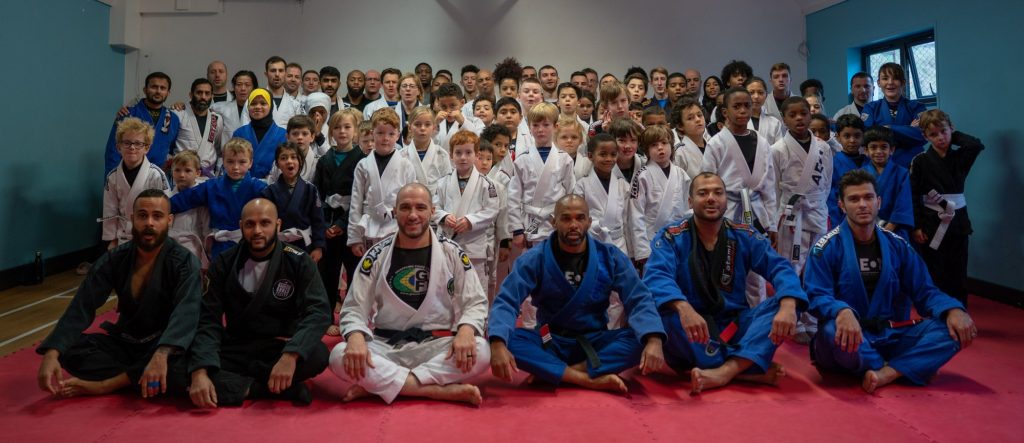
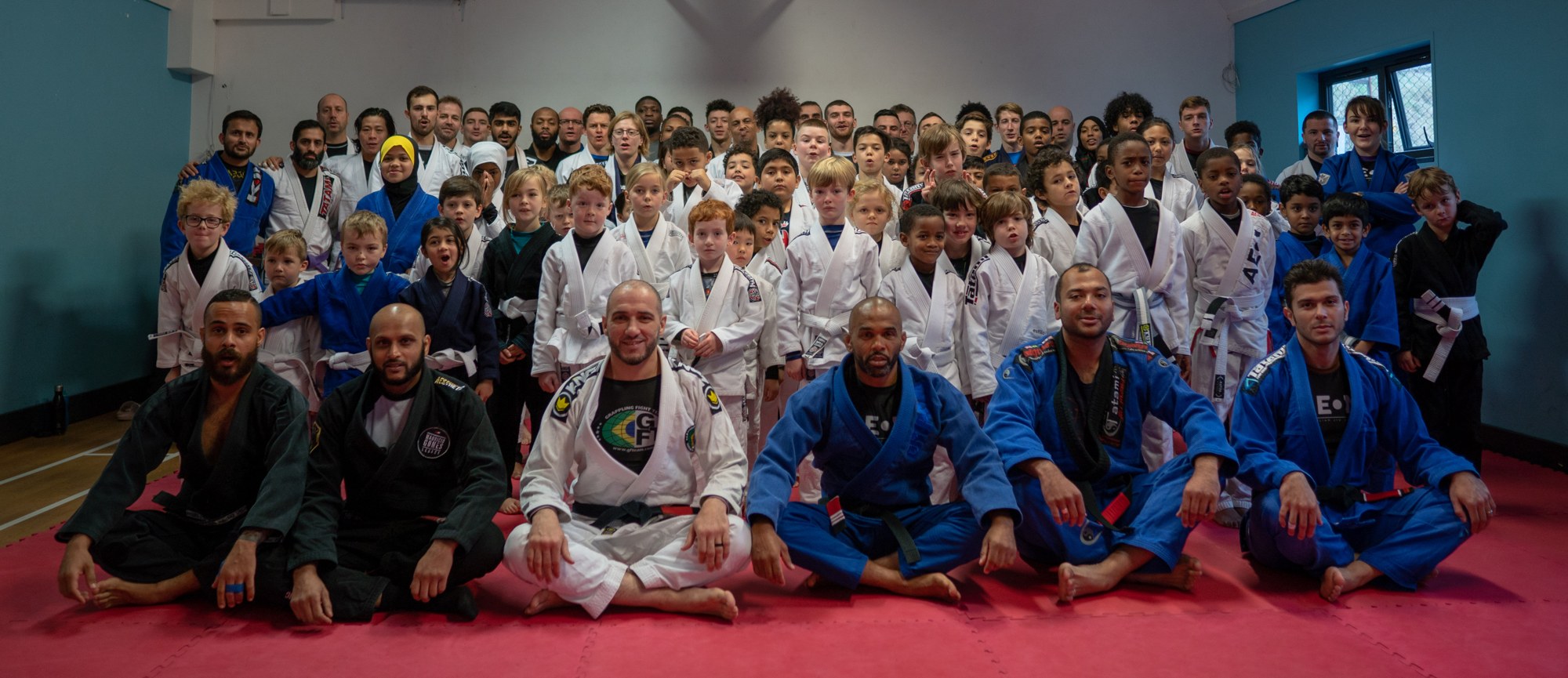
BJJ practitioners at Aeon BJJ, a premier Brazilian Jiu-Jitsu academy in London, regularly emphasize the significance of recovery. With adult and kids’ classes, as well as personalized private lessons, students are taught to prioritize recovery habits. Instructors Eamonn, Tariq, Sam, Dee, and Dan encourage a balanced approach combining training intensity with resting effectively.
Techniques for Physical and Mental Recovery
Optimize Sleep for Maximum Muscle Recovery
Quality sleep is the cornerstone of effective recovery. When you sleep, your body goes into a repair mode, releasing growth hormones that aid in muscle recovery and overall healing. Aim for 7-9 hours of uninterrupted sleep, and consider adopting a pre-sleep routine to signal your body it’s time to wind down.
Ensure your sleep environment is conducive by maintaining a dark, cool room and minimizing electronic device usage before bed. The cumulative effect of consistently good sleep cannot be understated in preserving muscle integrity and mental sharpness.
Nutrition: Fueling Recovery
Proper nutrition is integral to maximizing your recovery. A diet rich in lean proteins, healthy fats, and carbohydrates replenishes glycogen stores and repairs muscle tissue. Incorporate foods like chicken, fish, quinoa, and leafy greens into your meals. Furthermore, adequate hydration is key; water assists in nutrient transport and temperature regulation.
For those looking to deepen their understanding of how certain substances can impact recovery and their legality, BJJ.ee’s analysis on Conor McGregor’s response to banned recovery drugs covers this in detail.
Strategic Rest Days and Active Recovery
Rest vs. Active Recovery: Choosing the Right Approach
Understanding when to rest completely and when to engage in active recovery can be pivotal. While both have their benefits, your choice should depend on how you feel after training sessions.
| Complete Rest | Active Recovery |
|---|---|
| Best for recovering from intense sessions or injury | Suits light soreness, promoting gentle blood flow |
| No training; full day off | Activities like yoga, stretching, or light swimming |
| Ideal for mental relaxation and avoiding overtraining | Supports mental focus by maintaining routine |
Customize Your Rest Days
Every individual’s needs differ, and it’s crucial you listen to your body’s signals. At Aeon BJJ, students are encouraged to tailor their rest days to their own experiences. Tailoring downtime activities that still keep you engaged with your training goals can prevent the common pitfall of overtraining, which often leads to fatigue and stagnation in progress.
Incorporating Mindful Practices
Jiu-Jitsu demands not just physical prowess but also a strategic mind. Techniques such as meditation and mindfulness can be powerful tools for managing stress and enhancing mental recovery. Dedicating a few minutes each day to mindfulness can help refine your focus and boost your performance on the mats.
Several practitioners report more clarity and improved intuition in matches after incorporating mindfulness practices. This mental edge can be the difference between executing a perfect guard pass or getting caught in an armbar.
Tools and Techniques for Enhanced Recovery
Massage and Foam Rolling
The benefits of massage and foam rolling are widely recognized in sports recovery. Regular massage can increase circulation, decrease muscle stiffness, and aid in recovery. Similarly, foam rolling, a form of self-myofascial release, can help alleviate muscle tightness, improve flexibility, and increase your range of motion.
By integrating these practices after your training sessions, you not only hasten muscle recovery but also enhance your bodily awareness, which can translate to more nuanced control in BJJ techniques.
Cross-Training for Balanced Strength
Cross-training offers an excellent way to build overall strength and counter the imbalances that might arise from constant BJJ training. Incorporating exercises like weightlifting, swimming, or running can foster cardiovascular health and strengthen muscle groups not typically engaged during jiu-jitsu. This approach supports joint integrity and muscle endurance, essential for withstanding the rigors of both training and competition.
Key Takeaways
- Prioritize sleep and establish a routine for optimal physical and mental recovery.
- Balance your diet with proper hydration and nutrition to fuel muscle repair.
- Differentiate between when to take a complete rest versus active recovery days.
- Engage in mindful practices to enhance focus and reduce stress.
- Use massage and cross-training to improve flexibility and address muscular imbalances.
FAQ
How often should BJJ practitioners take rest days?
The frequency of rest days can vary, but it’s often recommended to take at least one full rest day per week. Listening to your body and adapting based on training intensity and personal recovery rates is important.
What is the role of protein in recovery?
Protein plays a crucial role in muscle repair and growth. It provides the amino acids needed to rebuild muscle fibers that are broken down during training.
Can beginners at Aeon BJJ benefit from recovery techniques?
Absolutely. Proper recovery is essential at all skill levels to prevent injuries and ensure steady progress. Aeon BJJ offers guidance on recovery as part of their comprehensive training regimen.
How does foam rolling aid in recovery?
Foam rolling helps release muscle tightness and improve blood circulation, which in turn accelerates muscle recovery and increases range of motion.
Why is hydration important after BJJ training?
Hydration is crucial as it helps maintain cellular function, aids in temperature regulation, and supports digestion, all of which are vital for recovery.
For anyone stepping into the vibrant world of BJJ, understanding and implementing effective recovery practices can significantly enhance your longevity and success. At Aeon BJJ, rated 5★ by 95 members on Google, recovery is just as emphasized as learning the intricate techniques, ensuring each student is equipped to meet both mental and physical demands on the mats. Don’t forget that Aeon BJJ offers a free trial class for newcomers, perfect for those starting their journey into Brazilian Jiu-Jitsu.
What Our Students Say — 5★ | Based on 95 Reviews
★★★★★
“Aeon BJJ is a direct reflection of who he is — technical, principled, and genuinely welcoming. One of the best we have hosted.”
— Monarchy