
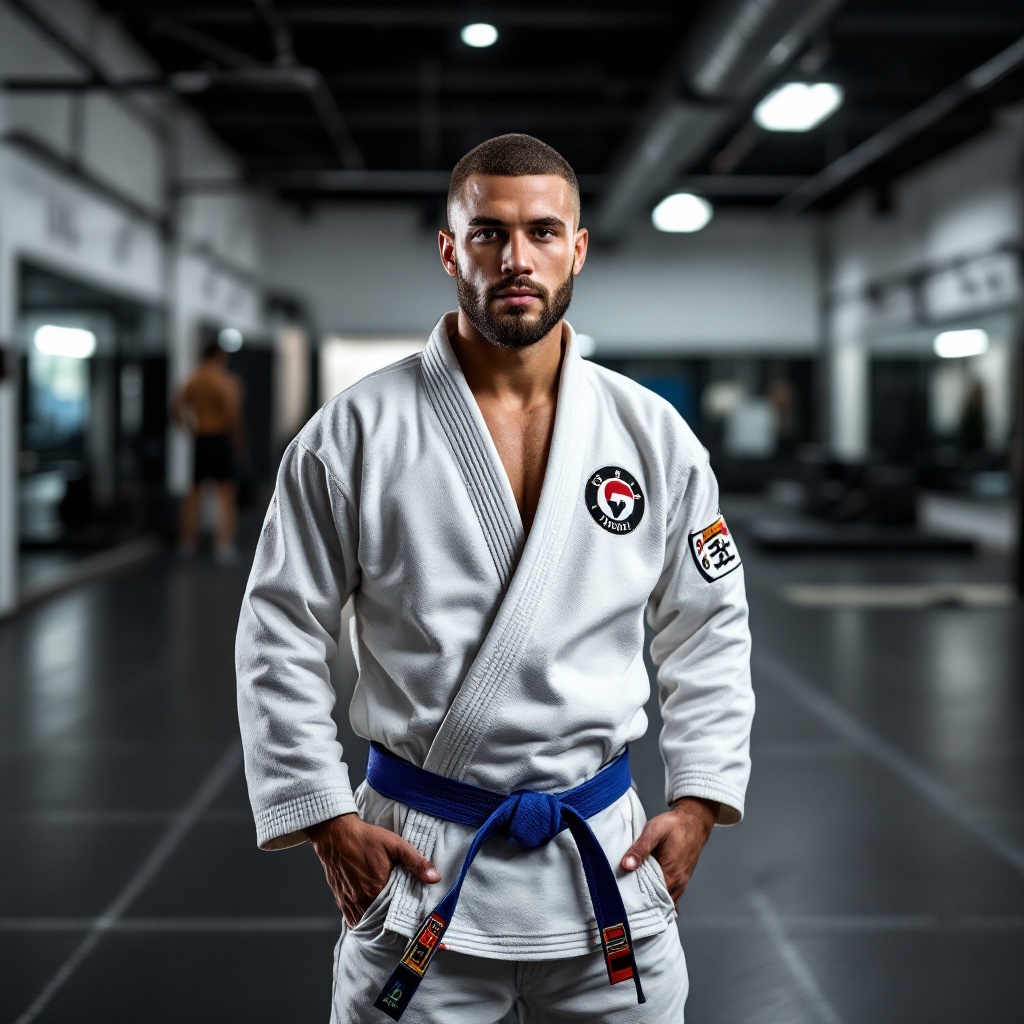
Every dedicated Brazilian Jiu-Jitsu practitioner will face a plateau at some point—a phase where improvements seem stagnant despite consistent effort. Recognizing this stage isn’t a sign of failure; it’s a common phase in any martial artist’s journey. Understanding how to push past these plateaus is crucial for continued growth and success in BJJ. At Aeon BJJ, where we prioritize progression and personalized training, we’ve helped countless athletes transcend these barriers, paving the way for breakthroughs.
Understanding Training Plateaus
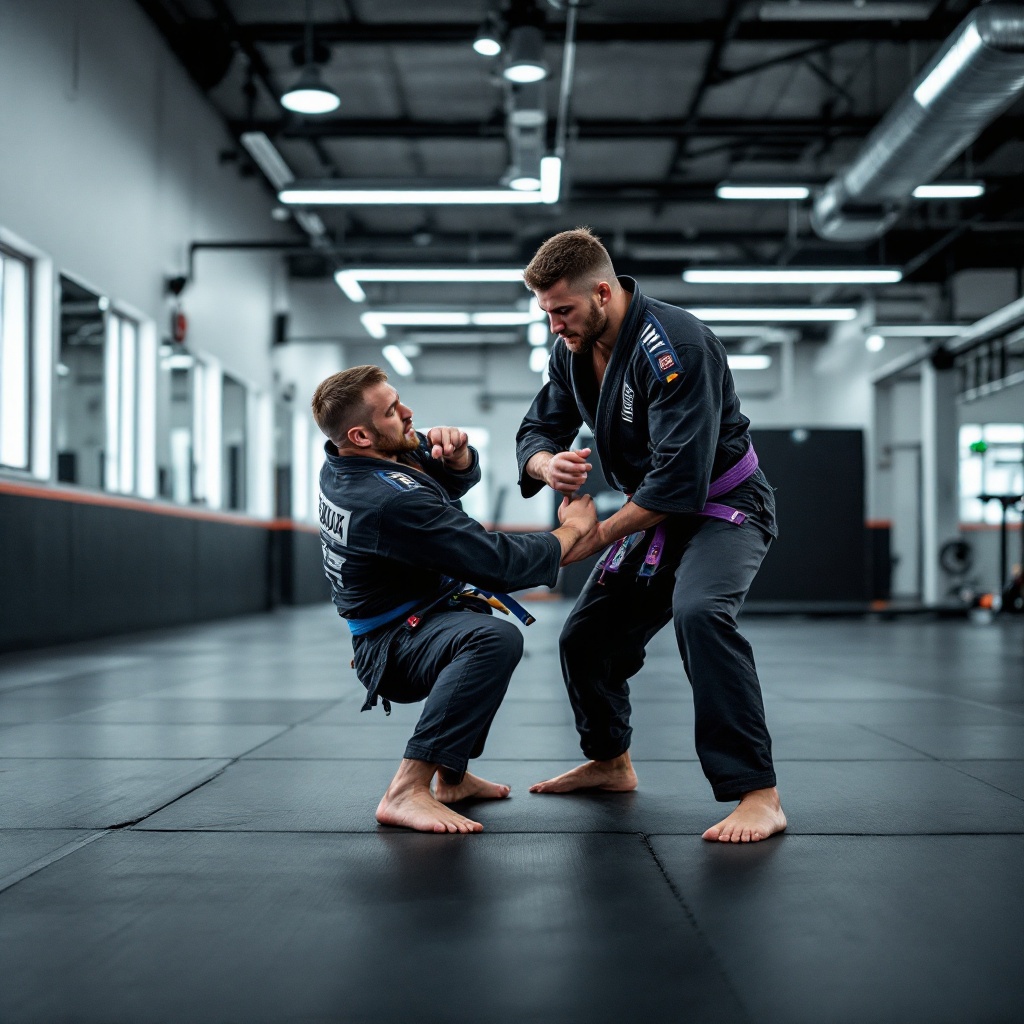
In Brazilian Jiu-Jitsu, a training plateau occurs when a student finds themselves no longer improving their skills or learning new concepts with ease. Plateaus are not restricted to beginners but can affect practitioners at any belt level, from white belts to black belts. This stagnation might manifest as an inability to pick up new techniques, struggling with old adversaries, or simply not feeling as motivated to train.
One classic scenario is a blue belt feeling stuck, unable to progress to purple belt despite rigorous training sessions. These feelings are incredibly common, and the key is recognizing that plateaus are a natural part of the learning cycle. What defines a practitioner is not the absence of plateaus, but the resilience and strategies employed to overcome them.
Common Causes of Plateaus
Identifying the root cause of a training plateau is integral to overcoming it. Some common causes include the repetition of the same training routines, mental fatigue, lack of feedback, and inadequate rest or improper nutrition. Also, the nature of competitive BJJ means you are constantly matched with adversaries of similar skill, which can make incremental improvements less visible.
A significant cause of plateaus is sticking too tightly to one style or set of techniques. Practitioners might perfect their guard game, for instance, but neglect submissions or escapes beyond their favorite moves. To break through, it often requires broadening one’s tactical approach and embracing diverse aspects of the sport, from striking new balance drills to exploring different gi guard strategies.
Strategies to Break Through
Overcoming plateaus often requires a strategic shift in your training approach. First and foremost, variety is key. This can mean varying the techniques you practice or switching from gi to no-gi sessions to surprise your body and mind with new challenges. Consider implementing these tactics:
– Feedback and Guidance: Regular, constructive feedback from experienced instructors is invaluable. At Aeon BJJ, our instructors like Eamonn and Tariq provide detailed insights that can help students pinpoint their sticking points and develop targeted strategies to address them.
– Circumvent Your Comfort Zone: If you’re usually working from a defensive position, such as closed guard, challenge yourself to work on offensive positions like mount or side control. This expands your understanding and forces adaptation.
– Record and Review: Video analysis is a potent tool. Recording your sparring sessions allows you to visually assess performance, highlighting areas of improvement.
Technical Advice: Step-by-Step Guide to Reinvent Your Rolling
A practical way to deal with plateaus is by refreshing your approach to rolling. Here’s a structured method to revitalize your sparring sessions:
1. Warm-up Focused on Problem Areas: Begin with drills that address your weakest area. For instance, if you struggle with open guard passes, dedicate 15 minutes to practice passing techniques exclusively.
2. Intentional Rolling: Enter sparring sessions with a specific goal, like focusing solely on sweeps or maintaining top control. This intentionality can unearth new insights.
3. Active Reflection: After each roll, consciously reflect on what happened. Take mental or actual note of positions you felt lost or moves you failed to execute efficiently.
Mental and Physical Resilience
The psychological aspect of overcoming plateaus is just as critical as the physical. It’s vital to maintain a positive mindset and continue setting short-term, achievable goals. These mini-milestones keep motivation high and reinforce continual progress.
Physically, adjusting your rest and recovery schedules and ensuring balanced nutrition can also have profound effects. Adequate sleep and a nutritious diet are essential foundations for making progress in any physically demanding sport.
Comparing Techniques: Positional Awareness vs. Submission Mastery
A practical comparison can be drawn between focusing on positional awareness and submission mastery in your training:
| Positional Awareness | Submission Mastery |
|---|---|
| Emphasizes control and defense, ensuring you maintain dominant positions. | Focuses on finishing techniques, increasing opportunities to end matches decisively. |
| Improves ability to outmaneuver opponents regardless of starting position. | Sharpens attacking techniques, enhancing your ability to capitalize on openings. |
| Suitable for building a solid defensive foundation. | Essential for progressing and testing higher belt levels where submissions matter more. |
| Helps develop patience and strategic planning. | Builds aggression and adaptability under pressure. |
For those looking to deepen their understanding of guard play, Cobrinha BJJ’s gi guard page covers this in detail, showcasing how influential positional awareness can be.
Key Takeaways
- Understanding the natural occurrence of plateaus helps in dealing with them effectively.
- Diversifying your techniques and training partners can unlock new levels of growth.
- Active reflection and feedback are essential components of overcoming stagnation.
- Both mental fortitude and physical adjustments are key to breaking plateaus.
- Aeon BJJ offers structured pathways to tackle plateaus through expert guidance and personalized strategies.
What Our Students Say — 5★ | Based on 95 Reviews
★★★★★
“Aeon Bjj is fantastic, I am so glad I found this club. My confidence has grown since training and I put this down to the people at Aeon.”
— Elisha
FAQ
What is a typical sign that I am experiencing a plateau?
A common sign is consistently feeling stuck at your current skill level, despite regular practice. It can manifest as difficulty in learning new techniques or failing to advance in rank.
How often should I change my training routine to avoid plateaus?
It’s beneficial to assess and tweak your routine every three to six months. This prevents adaptation to a single style and keeps learning dynamic.
Would taking a break help to overcome a plateau?
Rest or a short break can sometimes provide the mental reset necessary. A pause allows reflection and rejuvenation, sparking renewed enthusiasm when returning to the mats.
Are there mental strategies for overcoming a plateau?
Yes, setting small, achievable goals and maintaining a positive attitude are critical. Mindfulness and visualization of techniques are also effective tools.
How can Aeon BJJ support my journey through a plateau?
Aeon BJJ offers personalized coaching in small classes, expert instructors, and a supportive community that fosters growth beyond plateaus. The free trial class provides a great start to devise a personal advancement plan.
Breaking through a training plateau in BJJ takes patience and perseverance, but with the right approach, practitioners can unlock new heights of skill and confidence. At Aeon BJJ, we’re committed to helping students navigate these phases, ensuring they’re always progressing toward their full potential. Rated 5★ by 95 members on Google, our academy is a beacon of excellence for every aspiring martial artist in London.