
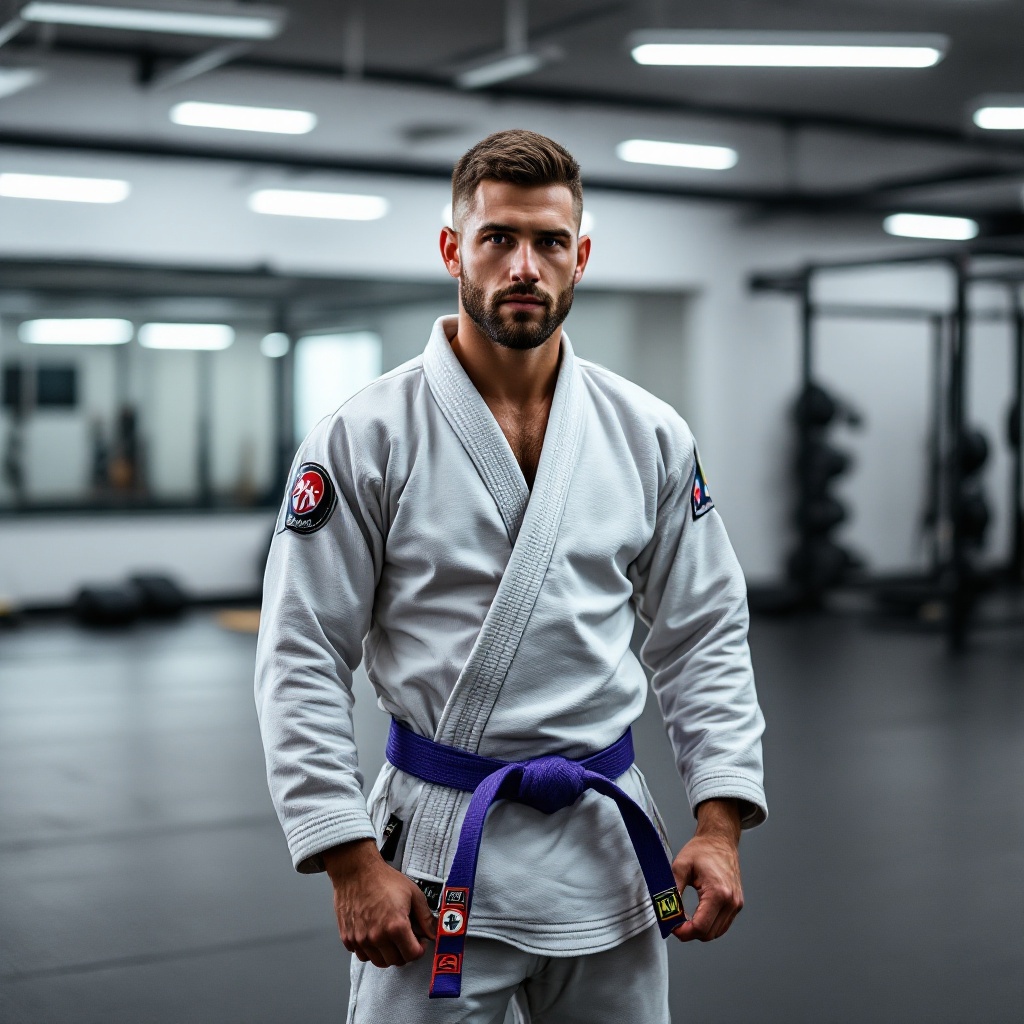
In Brazilian Jiu-Jitsu (BJJ), the concept of flexibility might seem like an afterthought to newcomers focused on mastering techniques or boosting strength. However, flexibility is a game-changer in BJJ performance, providing an edge in fluidity, defense, and even injury prevention. Let’s explore how incorporating flexibility routines into your training at Aeon BJJ can elevate your skillset and performance on the mat.
Understanding the Importance of Flexibility in BJJ
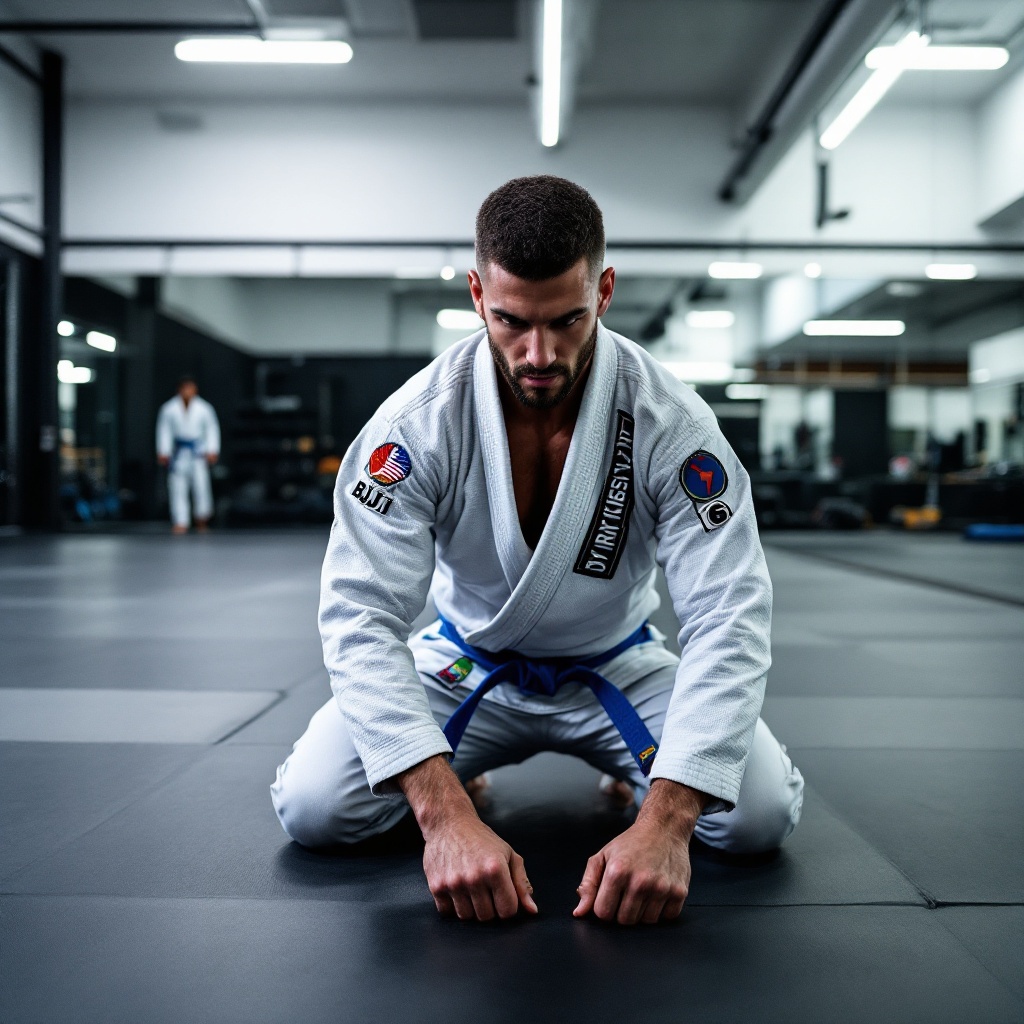
Flexibility is a critical component of BJJ, often separating the good from the great in terms of performance. By enhancing your range of motion, you open doors to executing more complex moves and responding adeptly to an opponent’s actions. Flexibility aids in achieving and maintaining the dynamic positions required in BJJ, such as guard, side control, and the all-important mount.
The Role of Flexibility in Key Techniques
When executing techniques like the triangle choke, the ability to maneuver your legs and hips with precision is crucial. Similarly, escaping positions like the full mount demands a blend of strength, flexibility, and technique. Without adequate flexibility, practitioners may struggle to position their bodies optimally, leading to missed opportunities or vulnerabilities in defense.
Notably, flexibility contributes to longevity and injury prevention. As you’ve likely seen in classes at Aeon BJJ, more limber students often experience fewer strains and recover faster. Incorporating flexibility exercises into your regimen can enhance your resilience and adaptability, both pivotal on the path to progressing through the belts.
Developing a Flexibility Routine for BJJ Success
Creating a robust flexibility routine requires a strategic approach. It’s about more than just stretching sporadically; consistency and structure are key. Start with a warm-up that gradually increases your heart rate and prepares your muscles for stretching. Movements like light jogging or jumping jacks can get your blood flowing.
Targeting Major Muscle Groups
Focus on the major muscle groups that see the most action in BJJ, such as the hip flexors, hamstrings, shoulders, and lower back. For instance, hip openers are critical for those looking to improve their guard game, while shoulder stretches can enhance your grip and control when applying submissions like kimuras or armbars.
For those looking to deepen their understanding of recovery strategies post-training, The Role of Heat and Recovery in Combat Sports Performance covers this in detail.
Tactical Flexibility Exercises to Enhance BJJ Performance
To build a comprehensive flexibility routine, here are practical exercises you can incorporate immediately:
Dynamic and Static Stretching
Dynamic stretches are excellent for warm-ups, facilitating blood flow and muscle elasticity without compromising speed or agility. Examples include leg swings, arm circles, and torso twists. Static stretching, done post-training, helps improve your overall flexibility and encourages muscle recovery.
Step-by-Step Tactical Advice
1. Warm-up: Begin with 5-10 minutes of light cardio to elevate your heart rate.
2. Dynamic Stretches: Perform leg swings for 30 seconds, progressing through front-to-back and side-to-side variations.
3. Static Stretches Post-Training: Focus on prolonged holds (20-30 seconds) for each stretch, targeting areas such as hamstrings and shoulders. The classic seated forward fold and cat-cow stretches are particularly beneficial.
Common Missteps vs Correct Form
Below is a table contrasting some flexibility mistakes often seen by students at Aeon BJJ against their correct execution:
| Common Mistakes | Correct Form |
|---|---|
| Over-stretching cold muscles | Warm up adequately before stretching |
| Bouncing during static stretches | Hold stretches steadily for 20-30 seconds |
| Ignoring post-training flexibility work | Incorporate cooldown stretches after every session |
| Focusing only on lower body | Include upper body stretches for balance |
Flexibility’s Role Beyond the Mat
Flexibility isn’t just a tool for enhanced BJJ performance; it’s a gateway to overall physical betterment, contributing to other aspects of martial arts and fitness. At Aeon BJJ, we’ve observed students who diligently practice flexibility routines report reduced anxiety and increased mental clarity.
This mirrors insights from our article on transitioning from “From Anxiety to Zen: Discovering Inner Peace with BJJ in London”, illustrating that the improvements gleaned from flexibility extend beyond physical realms. Achieving mental composure and discipline cultivates a warrior’s mindset, beneficial in both competition and daily life.
Flexibility Training at Aeon BJJ
Aeon BJJ, rated 5★ by 95 members on Google, offers an environment where students can focus on honing their art while incorporating these flexibility strategies. Our skilled instructors, including Eamonn, Tariq, Sam, Dee, and Dan, guide students through personalized routines that compliment their BJJ training. Consider a free trial class to experience how tailored flexibility routines can transform your progression in BJJ.
Key Takeaways
- Flexibility enhances BJJ techniques, enabling optimal execution and defense.
- Incorporating both dynamic and static stretches is essential for a comprehensive routine.
- Correct stretching form is critical to avoid common missteps and maximize benefits.
- Flexibility contributes to mental clarity and overall fitness improvement.
- Aeon BJJ provides expert guidance for integrating flexibility into martial arts training.
What Our Students Say — 5★ | Based on 95 Reviews
★★★★★
“Aeon Bjj is fantastic, I am so glad I found this club. My confidence has grown since training and I put this down to the people at Aeon.”
— Elisha
FAQ
Why is flexibility important in BJJ?
Flexibility enhances your range of motion, allowing you to perform techniques more efficiently and prevent injuries.
What’s a good warm-up routine for BJJ training?
A good warm-up includes light cardio like jogging, followed by dynamic stretches focusing on major muscle groups used in BJJ.
How can I improve my flexibility specifically for BJJ?
Incorporate both dynamic stretching before training and static stretching afterwards. Target areas like hips, shoulders, and hamstrings.
What role does flexibility play in injury prevention?
Increased flexibility alleviates tension in muscles, reducing the strain during sudden movements and improving recovery.
Can flexibility routines help with mental aspects of BJJ?
Yes, regular flexibility training can enhance focus and mental clarity, contributing to reduced stress and improved performance in BJJ.