
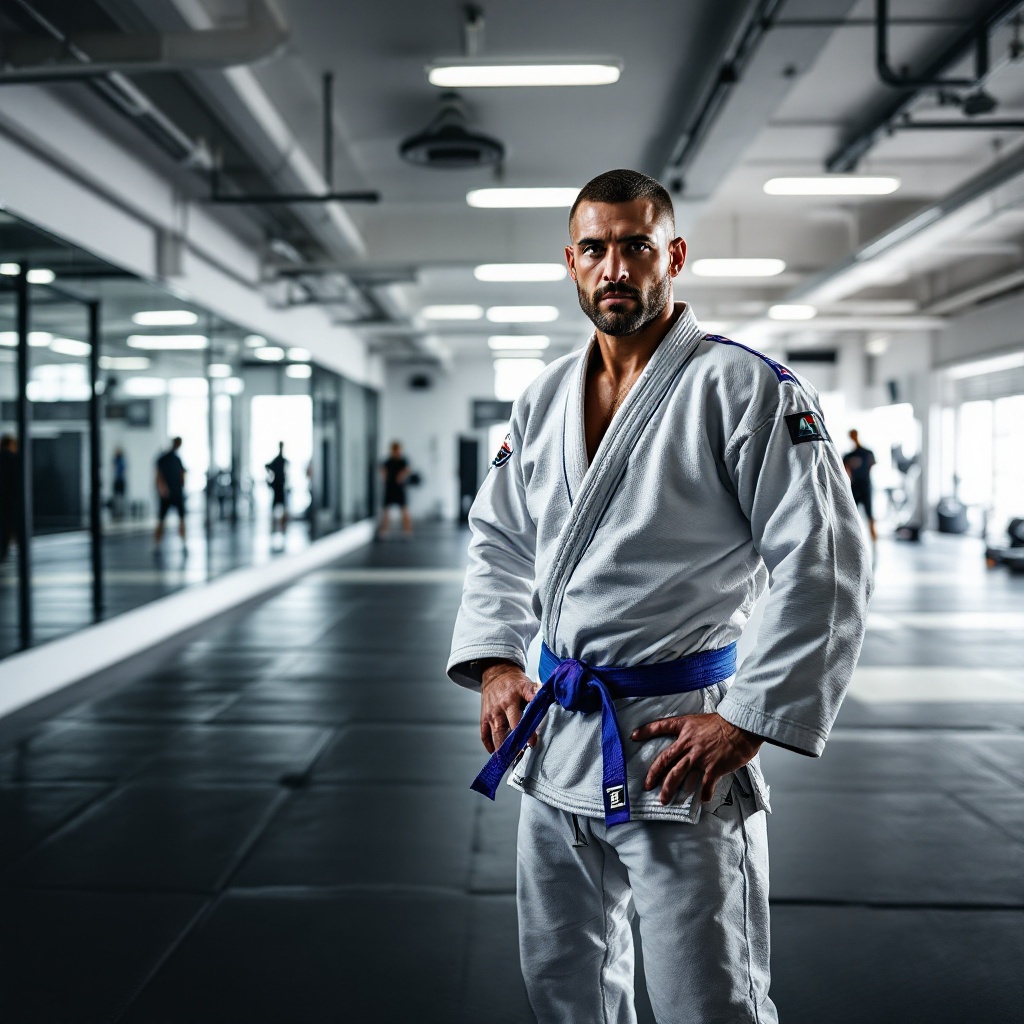
In the world of Brazilian Jiu-Jitsu (BJJ), the focus is often on the technical and physical demands of the sport. However, one surprising fact is that effective recovery can be just as crucial to a practitioner’s success and longevity in the sport as the training itself. Lack of adequate recovery can lead to decreased performance, increased injury risks, and burnout. Understanding how to recover efficiently not only enhances your ability to train effectively but also supports your overall well-being. This article dives deep into various aspects of recovery to help BJJ practitioners achieve optimal results.
Why Recovery is Essential in BJJ
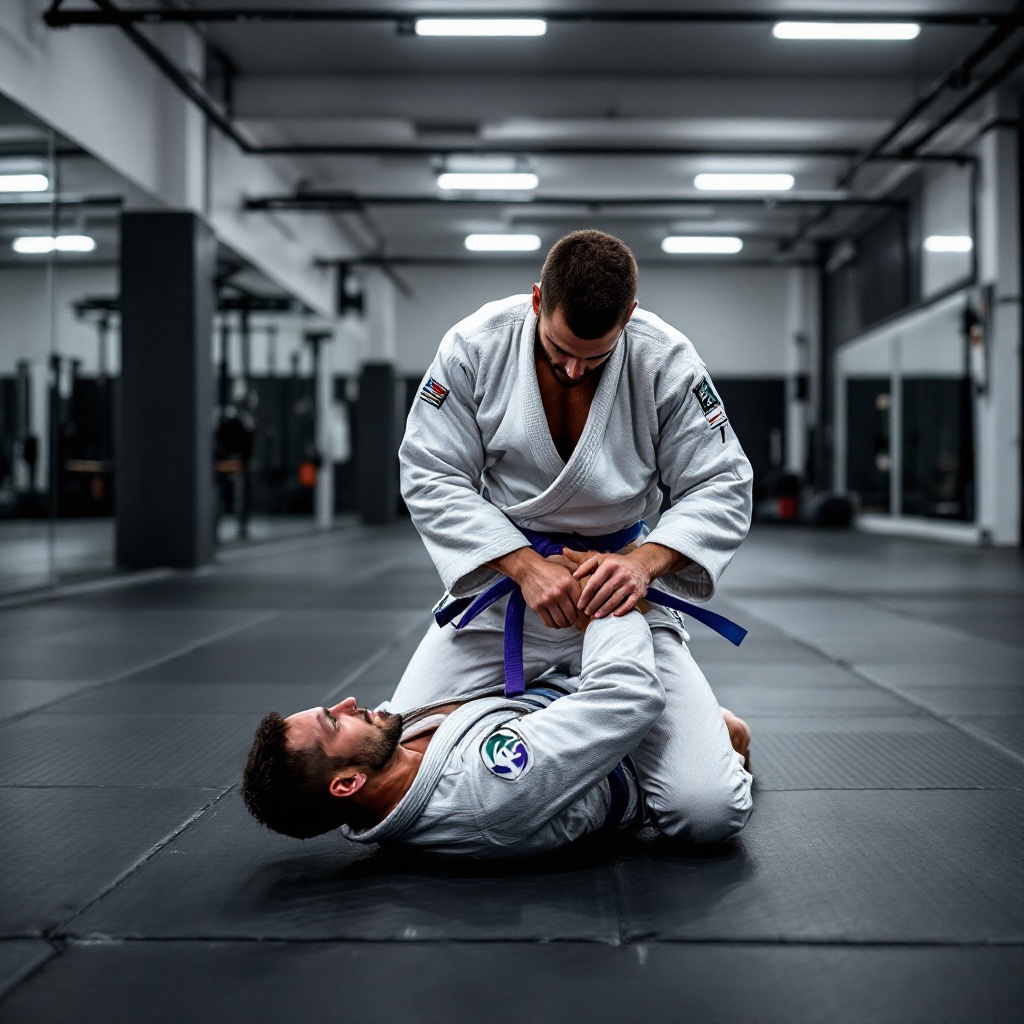
The art of Brazilian Jiu-Jitsu demands a unique blend of physical agility, strength, tactical thinking, and mental resilience. With sessions that can be grueling and competitions that require peak condition, knowing how to recover properly can give you an edge. Recovery isn’t merely about rest; it’s a comprehensive approach that includes nutrition, active rest, mental decompression, and more.
Physical Demands of BJJ and Their Impact
BJJ’s physical demands can take a toll on the body, particularly the musculoskeletal system. Regular sparring and drilling can lead to micro-tears in muscles, joint stress, and overall fatigue. This is why recovery is critical—it’s your body’s chance to repair and rebuild stronger.
At Aeon BJJ, we emphasize that recovery is not just about getting back to baseline; it’s also about progressing beyond it. Training puts your body under considerable stress, and understanding how to alleviate this stress through recovery will enhance your training outcomes.
Nutrition: Fuel for Recovery
One cannot overstate the importance of nutrition in the recovery process. Consumption habits pre- and post-training can significantly affect your recovery speed and efficiency.
Eating for Recovery
What you consume after a session can make or break your recovery. Emphasize proteins and complex carbs to replenish glycogen stores and repair muscle tissues. Our BJJ Nutrition Guide delves deeper into the optimal dietary practices for BJJ practitioners. Proper hydration is equally vital in this equation—you should aim to drink water with electrolytes to restore balance in your body.
Supplements: Are They Necessary?
The use of supplements is a personal choice. While some may find protein powders and branched-chain amino acids beneficial, others may achieve their nutritional needs through a well-rounded diet. It’s crucial to consult with a nutrition specialist before incorporating these into your regimen.
Mental Recovery Techniques
Physical rest is one piece of the puzzle; mental recovery is another. Mental sharpness can be just as taxing as physical exertion, and at times, more so in BJJ due to the strategic nature of the sport.
Techniques for Mental Relaxation
Engaging in activities like meditation or yoga can help clear the mind. These activities not only improve your stress levels but also enhance your focus and mental clarity. According to Aeon BJJ instructors, integrating mindfulness meditation into your routine can be a game-changer when it comes to easing mental fatigue.
For practitioners overtraining, this guide provides mental hacks to aid in recovery, blending physical and psychological approaches to support grapplers.
Active Recovery Practices
Active recovery should not be overlooked as it facilitates blood flow and aids in lactic acid removal without overexerting your body.
Balancing Active and Passive Recovery
Active recovery can be as simple as a light jog, swimming, or a yoga session. It should be light enough to not add stress to your muscles but sufficient to keep them engaged. Passive recovery could include activities like massage or sauna sessions, helping alleviate muscle tension and promoting relaxation.
| Active Recovery | Passive Recovery |
|---|---|
| Light jogging | Massage therapy |
| Swimming | Sauna sessions |
| Stretching | Meditation |
| Yoga | Sleep |
Managing Common Injuries
Injuries are a part of any contact sport, but managing them effectively is crucial to your longevity and performance.
Strategies for Prevention and Care
Invest in a proper warm-up routine to prevent injuries. At Aeon BJJ, we stress dynamic stretching to prepare your body for the rigors of training. Should an injury occur, the R.I.C.E method (Rest, Ice, Compression, Elevation) remains a staple for immediate care.
Learning to listen to your body is paramount. If something feels off, address it before it turns into a more significant issue. Seeking professional medical advice cannot be overemphasized in these scenarios.
Key Takeaways
- A balanced diet is crucial for effective recovery, emphasizing proteins and complex carbohydrates.
- Incorporating mental relaxation techniques like meditation can significantly support mental recovery.
- Active recovery through light exercises helps in faster muscle repair and lactic acid removal.
- Proper warm-ups and listening to your body can prevent injuries.
- Nutritional supplements can be beneficial but should be considered carefully.
What Our Students Say — 5★ | Based on 95 Reviews
★★★★★
“Aeon Bjj is fantastic, I am so glad I found this club. My confidence has grown since training and I put this down to the people at Aeon.”
— Elisha
FAQ
How important is sleep in BJJ recovery?
Sleep is crucial as it’s the time when the body repairs tissues, consolidates memory, and releases growth hormones. Aim for 7-9 hours per night for optimal recovery.
Is it okay to train every day?
While consistency is vital, overtraining can lead to burnout and injuries. Incorporate rest days and vary the intensity of your sessions to ensure recovery.
What should I eat before a BJJ class?
A light meal rich in complex carbohydrates and moderate protein about 1-2 hours before training can provide energy and prevent fatigue.
Can stretching improve my recovery?
Yes, incorporating both dynamic and static stretching can improve flexibility, reduce muscle tension, and aid faster recovery.
How can I mentally prepare for BJJ competitions?
Focus on mindfulness and visualization techniques. Consistent mental practice can enhance confidence and reduce anxiety before competitions.
At Aeon BJJ, rated 5★ by 95 members on Google, we understand the importance of recovery in building a sustainable and successful BJJ practice. Offering a free trial class for new members, we invite you to step into our world where recovery and training go hand in hand.
Powered by GymGrow — SEO automation for gyms