
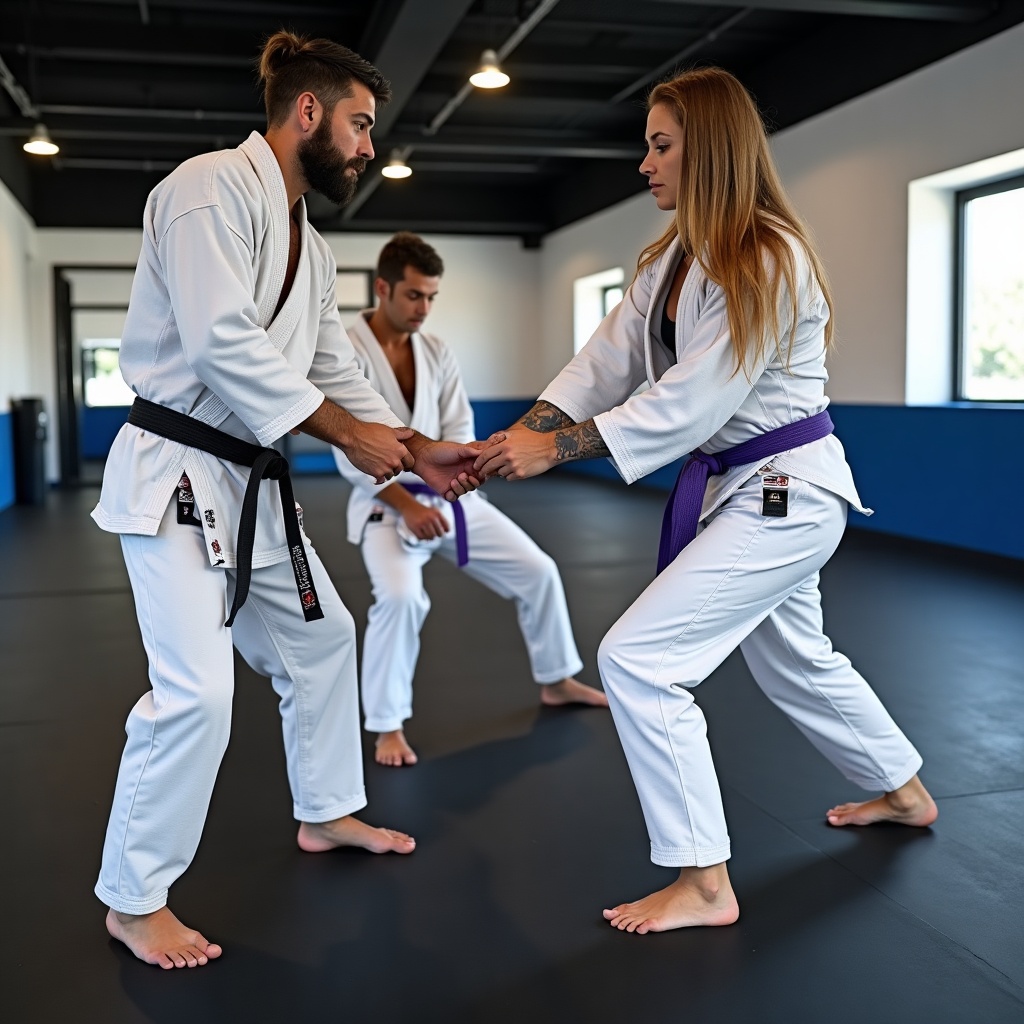
Essential Guard Passes Every BJJ White Belt Should Know – Start mastering BJJ fundamentals at Aeon BJJ today.
Brazilian Jiu-Jitsu (BJJ) is a martial art that emphasizes technique over raw strength, making it accessible for practitioners of all sizes and abilities. For white belts, mastering the basics is crucial to building a strong foundation in BJJ. One of the key skills you will develop is the ability to pass the guard. Guard passing is a central component of BJJ, allowing you to move from a defensive position to a dominant one. At Aeon BJJ, we focus on helping practitioners develop these essential skills from the very beginning. In this article, we will explore essential guard passes every BJJ white belt should know to build their competence and confidence on the mats.
Understanding the Guard
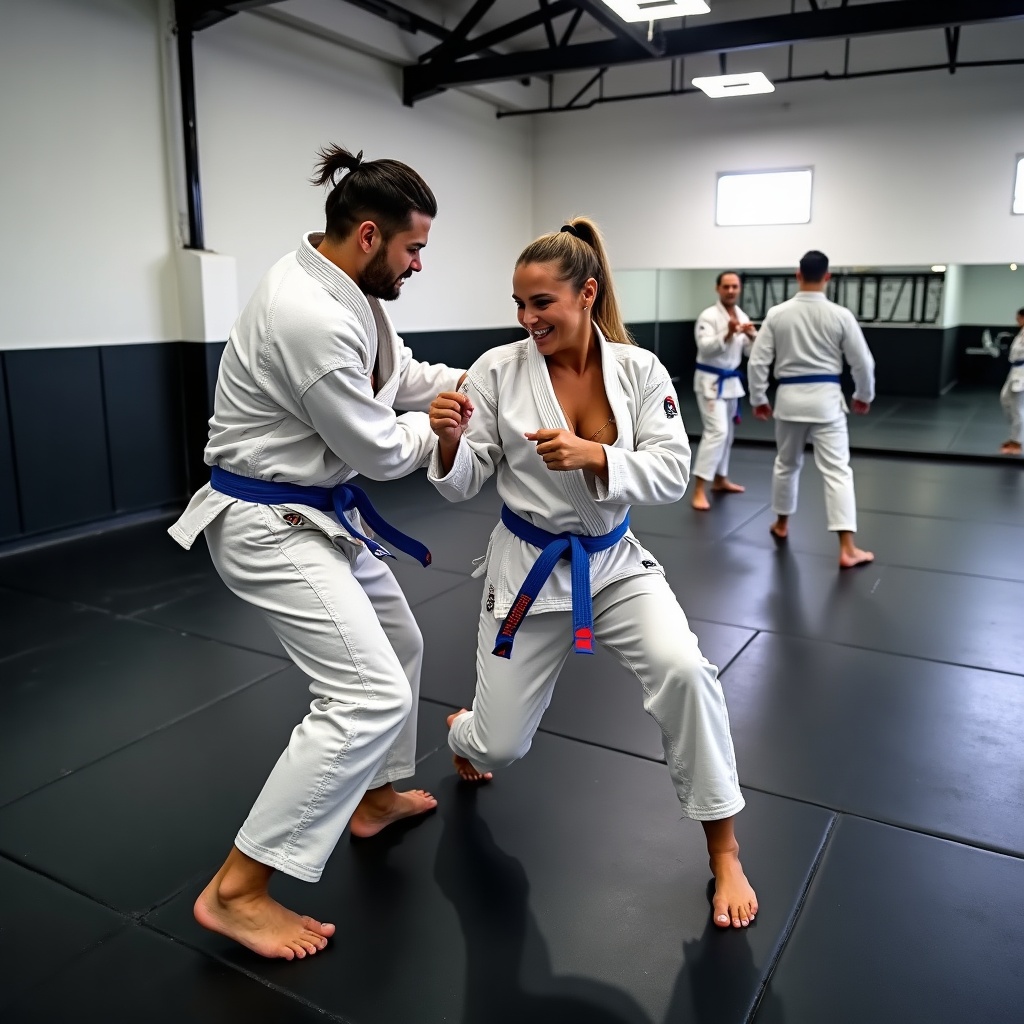
In Brazilian Jiu-Jitsu, the guard is an essential position where one practitioner is on their back using their legs to control or attack their opponent. It’s the first line of defense against your opponent’s attempts to gain a more dominant position. Understanding the mechanics of the guard is fundamental to passing it efficiently.
Why Guard Passing is Important
Guard passing is crucial because it allows you to transition from a defensive position to an offensive one. Effective guard passing enables you to establish superior control over your opponent, opening the opportunity for submissions or advancing to positions like side control or mount. Mastery of guard passing is a fundamental skill that helps you control the flow of a match.
Essential Guard Passes for White Belts
There are several guard passes that are particularly useful for white belts. These passes form the cornerstone of BJJ defense strategy and will serve you well as your skills develop.
Closed Guard Passes
1. Knee Slice Pass
The knee slice is a powerful and versatile pass that works well against a closed guard. To execute this pass, you need to open your opponent’s guard, typically by applying pressure to their hips. Once their guard is open, stabilize your opponent by pinning their knee and then slicing your knee across their thigh to pass their guard and move into either side control or a knee-on-belly position.
2. Over-Under Pass
This low-pressure pass is particularly effective against a closed guard. You begin by controlling one of the opponent’s legs with an underhook and using your body to apply forward pressure. Your other arm is placed over your opponent’s leg, controlling it. From here, walk towards your opponent’s head while staying low to the ground, allowing you to clear their legs and secure side control.
Open Guard Passes
1. Toreando Pass
The Toreando pass, or bullfighter pass, is dynamic and requires good movement and balance. Start by gripping your opponent’s pants or the bottom of their gi jacket. Quickly step to one side of your opponent, controlling their legs and pushing them aside as you circle around the guard to transition into a side control position.
2. X-Pass
The X-pass is efficient when faced with an opponent in an open guard. Maintain grip control on their pants or knees, and initiate the pass by stepping forward with one leg. As you do this, use your opposite arm to pin their same-side leg before sliding your leg past their guard. This should help establish a side control or knee-on-belly position.
Butterfly Guard Pass
Smash Pass
The smash pass is your weapon against the butterfly guard. Engage your opponent’s hooks by pinning their legs to the mat. Drop your weight while maintaining chest pressure on their knees. By sprawling your legs, you prevent your opponent from using their legs effectively. Use this leverage to pass around their knees into a dominant position such as side control.
Practicing Guard Passes
Repetition is key when mastering guard passes. The instructors at Aeon BJJ in London emphasize drilling these techniques repeatedly to help engrain them into your muscle memory. Beginners are encouraged to combine drilling with live sparring sessions to test and refine their techniques under pressure.
free trial Class at Aeon BJJ
If you’re curious about learning Brazilian Jiu-Jitsu and improving your guard passing skills, Aeon BJJ offers a free trial class. The experienced instructors Eamonn, Tariq, Sam, Dee, and Dan are there to support you in every step of your BJJ journey. The trial class is an excellent opportunity to experience the art of BJJ firsthand and discover how it can enhance your fitness, self-defense skills, and personal growth.
FAQ
Why is passing the guard such a critical skill in BJJ?
Passing the guard is essential because it allows practitioners to move from a neutral or defensive position to a dominant one. By effectively passing the guard, you can control your opponent, increase your chances of submitting them, and score valuable points in competition.
What are some common mistakes white belts make when trying to pass the guard?
Common mistakes include leaning too far forward (which can lead to sweeps), neglecting to control the opponent’s hips, and being too tentative. It’s important to apply consistent pressure and maintain good posture while being aware of the opponent’s attempts to off-balance you.
How often should I practice guard passes to improve?
Consistency in training is key. Aim to practice guard passes in every training session. Start with drills and gradually increase the intensity by incorporating them into sparring. Feedback from instructors and more experienced practitioners is invaluable for fine-tuning your technique.
Aeon BJJ, located in London, offers both group and private lessons to accommodate different learning styles and schedules. The academy provides a supportive environment where beginners can develop their BJJ skills at their own pace. Whether you’re looking to improve your guard passing or overall BJJ game, Aeon BJJ is there to help you on your journey.