
Starting out in Brazilian Jiu-Jitsu (BJJ) might just be the most rewarding decision you’ll make in your martial arts adventure. With a rich history and a focus on grappling and ground fighting, Brazilian Jiu-Jitsu empowers individuals by teaching you to use technique over strength. Did you know that BJJ is one of the most effective self-defense systems in the world? Whether you’re looking to get fit, learn self-defense, or challenge yourself with something new, BJJ offers an unparalleled path forward. In this article, we’ll dive into what beginners need to know to get started on this incredible journey.
Understanding the Basics of Brazilian Jiu-Jitsu
Brazilian Jiu-Jitsu is a martial art that emphasizes ground control, leverage, and submissions using chokes and joint locks. Unlike striking martial arts, BJJ focuses on neutralizing your opponent by bringing the fight to the ground and using technique to control and submit them. This makes BJJ particularly advantageous for individuals of smaller or weaker stature, as technique and strategy can overcome size and strength.
In your first few classes at Aeon BJJ in London, you can expect to explore positions like guard, mount, side control, and back control. These foundational positions are crucial for developing your understanding of BJJ strategy and defense. The instructors, including seasoned experts like Eamonn and Tariq, will guide you through the basics to help you grasp the core concepts and applications of each position.
What to Expect in Your First Class
Walking into your first BJJ class can be a bit intimidating, but there’s no need to worry. At Aeon BJJ, you’ll find a welcoming community ready to support newcomers. A typical class consists of a warm-up, technique instruction, and drilling, followed by live sparring, also known as “rolling.”
During the warm-up, you’ll engage in activities like shrimping, bridges, and other movement drills designed to enhance your coordination and agility on the mat. In some classes, you’ll be introduced to specific techniques, such as sweeps or submissions, often demonstrated by instructors Sam or Dee, who break down complex movements into understandable steps.
When it’s time to roll, remember that sparring is not about winning or losing but about applying what you’ve learned, patience, and respect for your training partner. Enjoy the experience and focus on incremental improvements in each session. Aeon BJJ’s introductory classes, including the option of a free trial class, provide a perfect starting point.
Gear and Etiquette on the Mat
Getting equipped for your first BJJ class does not require a hefty investment. Initially, wearing athletic wear is sufficient if you don’t have a gi (uniform). As you progress, a durable gi becomes essential because it withstands the rigors of training and competition better than standard workout clothes.
Mat etiquette includes bowing before stepping on or off the mats, keeping good personal hygiene, and respecting your training partners. Remember that safety is paramount, so always tap when you’re caught in a submission; learning to tap keeps you safe and allows for a positive learning experience.
Key Techniques and Positions to Master
Positions and Their Importance
1. Guard: Working from the guard, you’ll learn how to attack, defend, and transition. It’s one of the most studied positions in BJJ due to its effectiveness in controlling the opponent.
2. Mount: Being in the mount position provides a dominant point of attack, allowing you to administer pressure and attacks from above.
3. Side Control: This position enables control over the opponent and allows for transitioning to other dominant positions or submissions.
4. Back Control: Back control is considered one of the most advantageous positions in BJJ as it allows for straightforward attacks without leaving openings for counter-strikes.
The anchor text comprehensively explains how incorporating BJJ training can impact your fitness journey, helping to build endurance and physical strength.
Step-by-Step Tactical Advice
Learning to breakfall (ukemi) is one of the first skills taught to protect yourself when thrown or when you fall to the ground. Here’s a basic breakdown:
1. Tuck your chin to your chest to protect your head.
2. Allow your arms to open wide at about 45 degrees from your body.
3. Make contact with the ground with your arms first, then roll slightly to disperse impact over a larger area.
4. Keep your body relaxed to absorb the shock of the fall effectively.
By consistently integrating these good practices in class, your physical confidence and technique will improve dramatically over time.
Comparing Common Mistakes with Correct Techniques
Here’s a simple comparison for beginners to avoid some common pitfalls in BJJ:
| Mistake | Correct Technique |
|---|---|
| Focusing on strength over technique | Use leverage and position rather than brute force |
| Holding your breath during sparring | Maintain steady, controlled breathing |
| Ignoring positional control | Always aim to achieve and maintain dominant positions |
| Sparring too hard with partners | Focus on learning and drilling techniques effectively |
Aeon BJJ: Your Path to Mastery
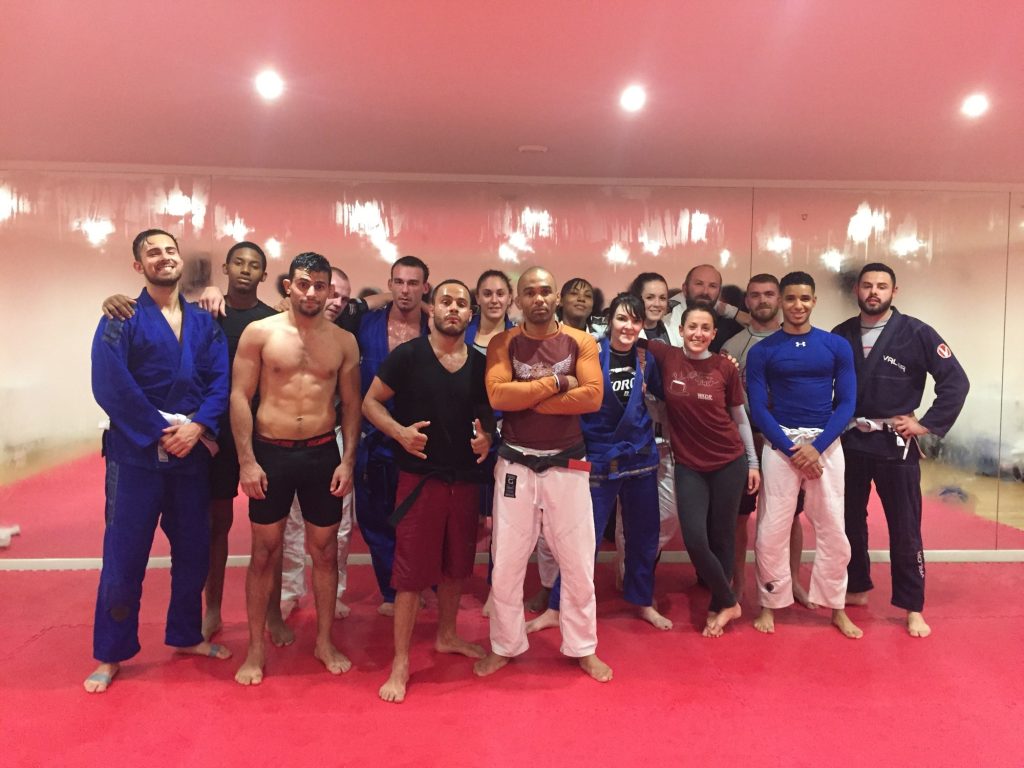
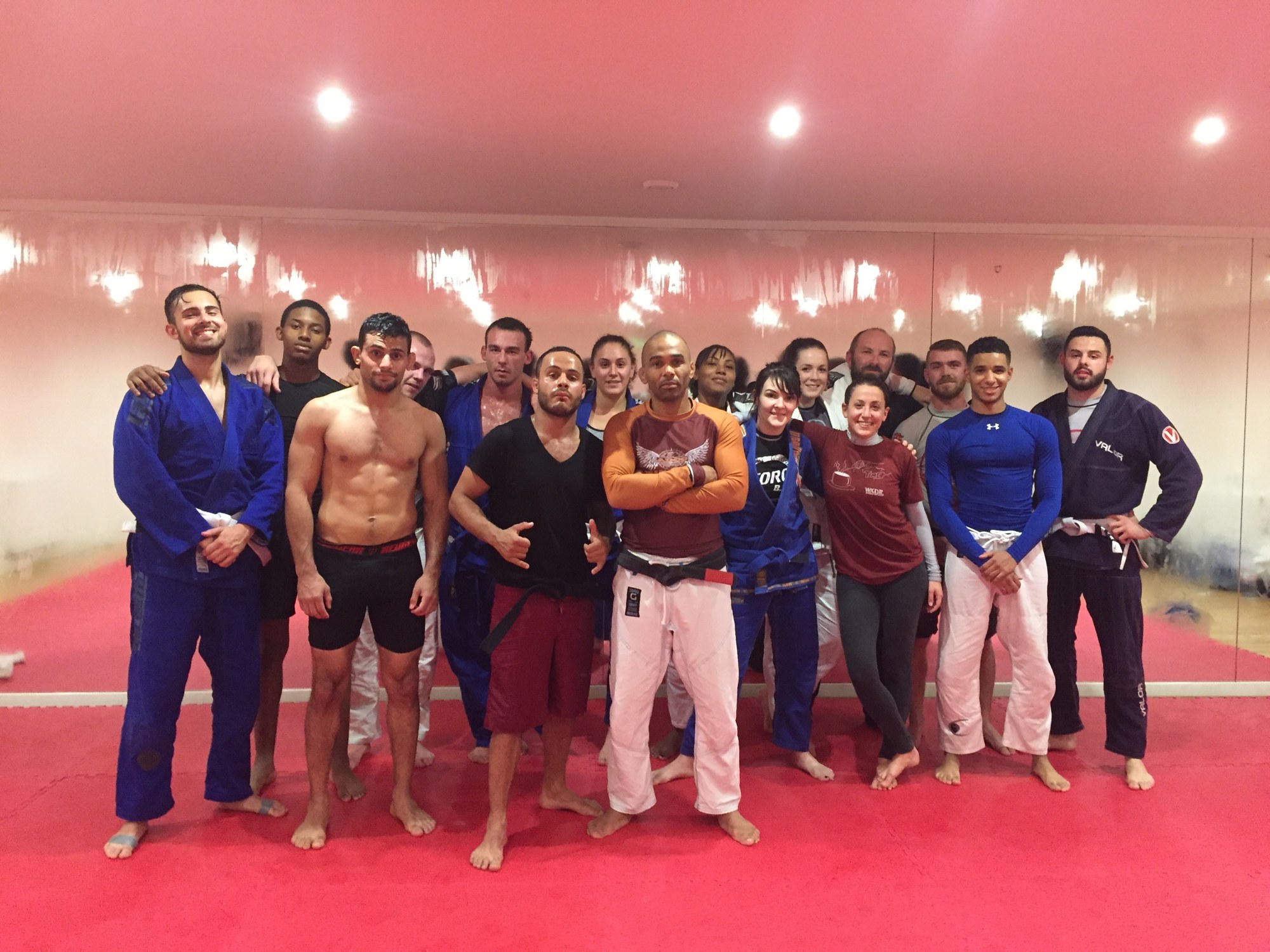
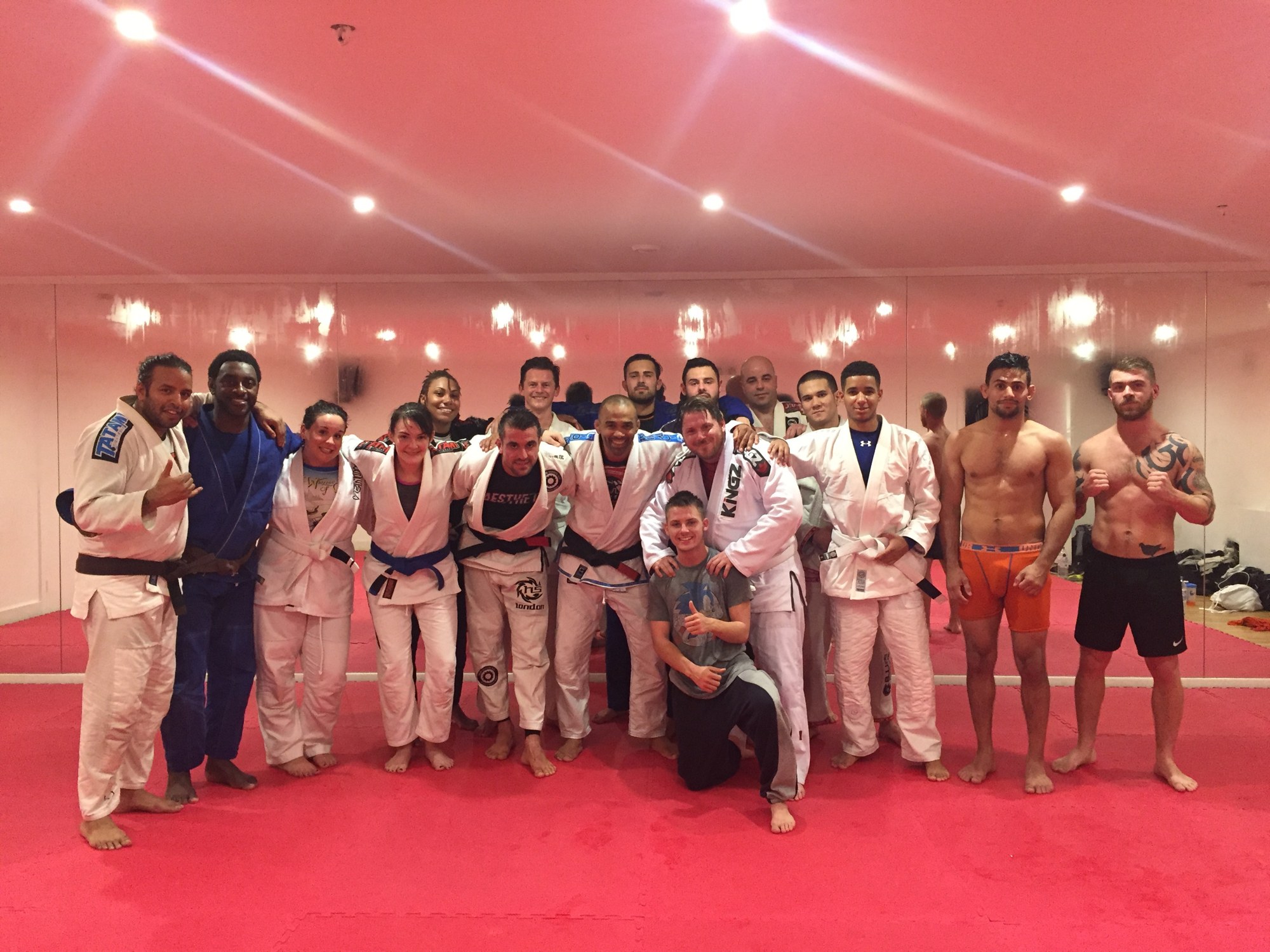
Aeon BJJ in London is not just a place to learn martial arts, but a community where instructors like Dan and many others guide you through different phases of your BJJ journey. Their focus on individual progress and technique ensures a comprehensive learning experience for all members. Offering both adult and kids’ classes, as seen on their Youth Classes page, Aeon BJJ fosters a sustainable culture of growth and fitness.
Furthermore, the academy is rated 5★ by 95 members on Google, indicating the high level of satisfaction among its students.
Key Takeaways
- BJJ focuses on leverage and ground control over brute strength.
- A well-fitted gi and good mat etiquette enhance your training experience.
- Mastery of key positions like guard and mount is crucial for beginners.
- Understanding and correcting common mistakes accelerates progress.
- Engage in a community like Aeon BJJ for a supportive learning atmosphere.
FAQ
What should I wear to my first BJJ class?
For beginners, comfortable athletic clothing is fine for the first few classes. Once you decide to continue with BJJ, purchasing a gi becomes important.
How often should I train as a beginner?
Consistency is key. Start with 2-3 times a week, which allows ample time for recovery and assimilation of techniques without overwhelming yourself.
Will practicing BJJ help me lose weight?
Yes, BJJ is an excellent full-body workout that enhances cardiovascular fitness, coordination, and flexibility, all contributing to weight loss.
Can I start BJJ if I’m not in shape?
Absolutely. BJJ is for everyone, and you’ll often find that your fitness levels improve significantly after regular practice.
What is the protocol if I can’t escape a submission?
Tapping out is the standard protocol to signal the end of a round without injury. It’s a safe and essential practice to ensure longevity in training.
By immersing yourself in the practice of Brazilian Jiu-Jitsu at Aeon BJJ, you’re not only learning an art form but also becoming part of a community that values progress, safety, and camaraderie. So why wait? Take advantage of the free trial and start your journey today!
What Our Students Say — 5★ | Based on 95 Reviews
★★★★★
“They are a very professional outfit and take their Jiu Jitsu very seriously without being overbearing on the children.”
— Ads