
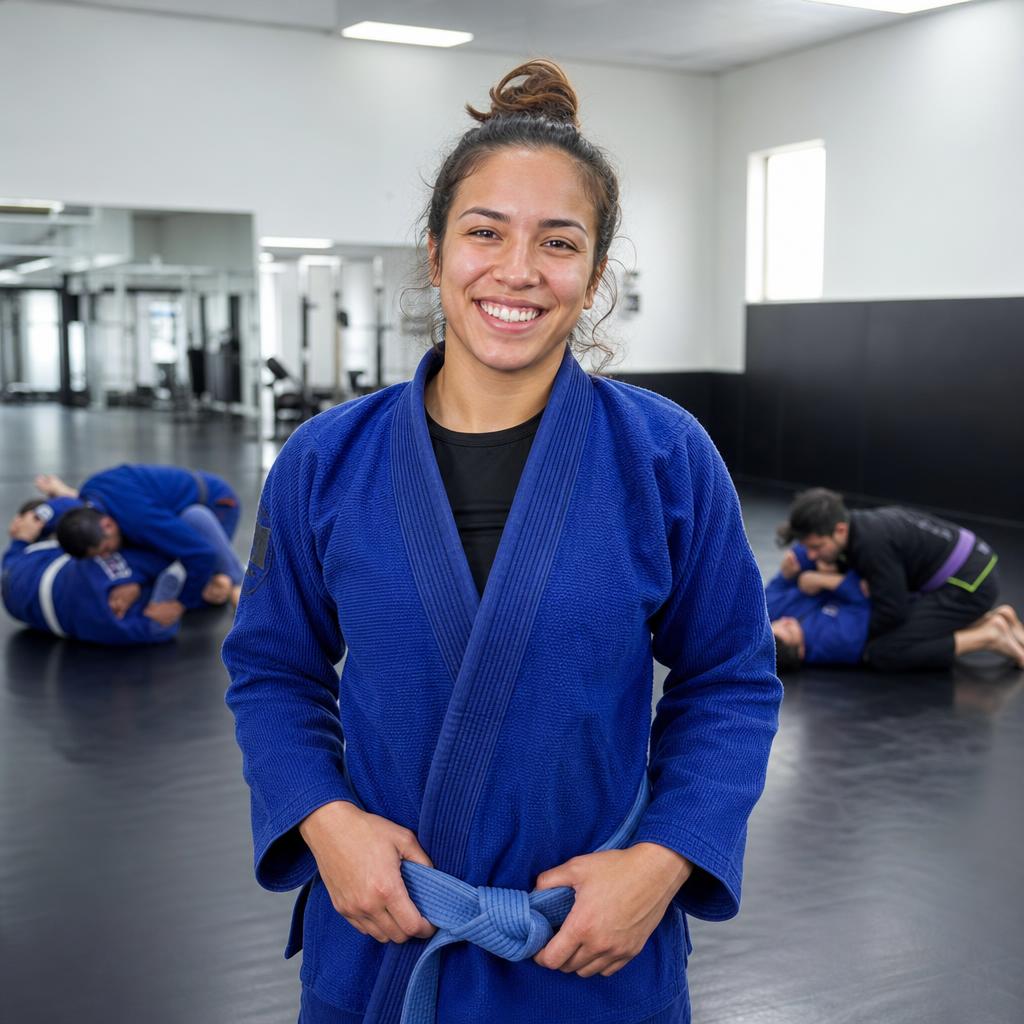
Brazilian Jiu Jitsu (BJJ) offers a surprising route to personal growth beyond the martial arts skills it imparts. For young practitioners, BJJ provides an invaluable toolkit—not just for self-defense, but for life. At Aeon BJJ in London, youth classes are much more than a series of exercises; they’re transformative experiences shaping young minds and bodies, rated 5★ by 95 members on Google. This article delves into how the practice of youth BJJ can equip children with skills that matter both on the mat and in their everyday lives.
Developing Physical Fitness and Mental Fortitude
The Physical Benefits
Youth BJJ is an incredible activity for physical development. While many sports focus on one aspect of fitness, BJJ combines elements of strength, flexibility, coordination, and stamina. Young students experience improvements in overall fitness through drills and grappling that require using nearly every part of the body.
Furthermore, BJJ emphasizes proper technique over brute strength, teaching kids to use leverage and body mechanics to their advantage. During a typical session at Aeon BJJ, young grapplers practice techniques such as the guard pass and mount control, challenging their coordination and balance.
Building Mental Strength
The mental challenges presented in youth BJJ are just as significant as the physical ones. The art of BJJ is complex, requiring problem-solving under pressure, adaptability to new situations, and perseverance in the face of defeat. Children regularly engage in sparring, where they must anticipate and counteract their opponent’s moves.
This engagement instills a mindset of resilience. For instance, failing to escape a pin or submit an opponent teaches the valuable lesson that failure is just a stepping stone to mastery. At Aeon BJJ, coaches like Eamonn and Sam guide youth practitioners through these challenges, fostering a positive learning environment.
Social Skills and Personal Responsibility
Teamwork and Respect
Youth BJJ also offers a community where social skills can flourish. The very nature of the sport requires partners to work together to improve, and trust is fundamental. Sparring and drilling present opportunities to develop friendships built on mutual respect and camaraderie.
Additionally, BJJ promotes respect for instructors and peers, a value deeply embedded in the martial arts tradition. This respect transcends the mats, encouraging children to carry these values into their daily interactions.
Developing Independence
Training in BJJ requires a level of personal discipline and responsibility. Kids learn to take ownership of their progress, whether practicing techniques at home or demonstrating them during class. The discipline learned in BJJ often translates to other areas of life, from homework to chores, instilling a sense of responsibility that will benefit them in future endeavors.
For those looking to deepen their understanding of taking personal responsibility seriously, BJJ.ee’s discussion of how public figures like BJJ world champions overcame challenges covers this in detail.
Preparing for Competitions
Competitive spirit and the experience of participating in BJJ tournaments can be significant aspects of youth development. Preparing for a competition instills a strong work ethic, time management skills, and focus. Lively energy fills Aeon BJJ’s quarters during preparation times, with instructors like Dan injecting motivational insights and techniques aimed at boosting young competitors’ confidence.
Pre-Competition Rituals
Preparation routines, including warm-ups, visualization techniques, and nutrition advice, are vital. Aspiring young competitors learn to visualize success, an essential psychological tool for performance enhancement. Visualization exercises practiced in class can heighten focus and reduce pre-match anxiety.
Overcoming Challenges: Injuries and Recovery
In any sport, injuries can occur, and BJJ is no different. It’s crucial for young practitioners to learn about injury prevention and recovery as part of their training. Common injuries might include minor bruises or strains, but the lessons in dealing with these are profound.
Recovery Techniques
Understanding the importance of rest, proper stretching, and rehabilitation exercises are vital. Coaches at Aeon BJJ teach methods suited for youth, emphasizing gentle mobility exercises and techniques for maintaining mental readiness even when side-lined by injury.
Tactical Training: Mastering Key Techniques
Mastering key techniques in youth BJJ provides a strong foundation. One pivotal move to learn early is the rear naked choke. Understanding both the execution and defense of this technique can greatly enhance a young BJJ practitioner’s confidence and abilities.
For comprehensive guidance, our site offers a detailed Rear Naked Choke Guide to help students master this crucial BJJ technique.
Step-by-Step Guide to the Rear Naked Choke
1. Positioning: From the back, ensure that your hooks are in place by wrapping your legs around the opponent’s waist.
2. Sneaking the Arm: Slide one arm under the opponent’s chin, with your hand pointing upward.
3. Gripping: Grab your wrist with the opposite hand to tighten the hold.
4. Tightening the Grip: Pull back with your elbows to exert pressure around the neck.
5. Finishing: Squeeze with your arms and adjust to secure the submission.
Mistakes vs Correct Form: Rear Naked Choke
| Mistake | Correct Form |
|---|---|
| Wrong arm positioning under the chin | Ensure the arm fully encircles the neck |
| Failure to secure wrist hold | Grip your wrist tightly for control |
| Weak core and leg involvement | Engage core and hook legs properly |
| Insufficient squeeze on the choke | Use elbow pressure and body leverage |
Key Takeaways
–
- Youth BJJ provides significant physical and mental benefits.
- Focus on respect and discipline translates well into everyday life skills.
- Competition participation enhances resilience and work ethics.
- Understanding recovery processes can prevent injuries.
- Mastering key techniques builds a strong BJJ foundation.
FAQ
What age is appropriate to start BJJ?
Children as young as four can start practicing BJJ. However, it’s important that the training environment is supportive and suitable for their developmental stage, like the one offered at Aeon BJJ.
How often should my child train BJJ?
Consistency is key for improvement, so two to three times per week is ideal for young beginners. However, this can increase as interest and dedication grow.
Do children need special gear for BJJ?
Yes, children will need a gi (BJJ uniform) to train properly. A mouthguard is also recommended for safety during sparring sessions.
How can my child handle pre-competition nerves?
Visualization, proper preparation, and building confidence through consistent practice can greatly alleviate nerves. Coaches at Aeon BJJ work closely with students to equip them for competition.
Can BJJ help my child in other areas of life?
Absolutely. The discipline, focus, and respect learned in BJJ often translate into improvements in school performance, home life, and social interactions.
By embarking on the youth BJJ journey at Aeon BJJ in London, your child can begin to unlock their full potential in a nurturing and skill-enhancing environment. Children who join not only develop martial artistry but also gain life skills that will benefit them both now and into the future.
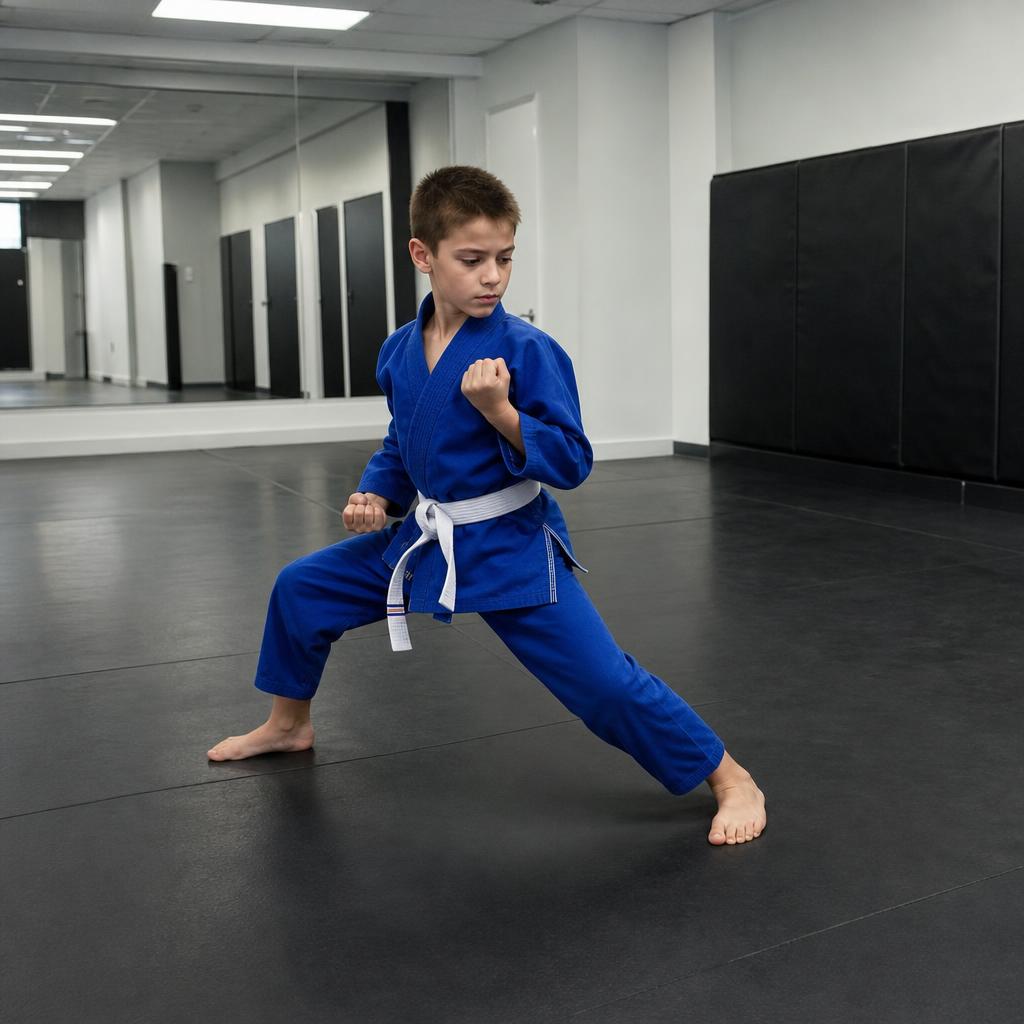
What Our Students Say — 5★ | Based on 95 Reviews
★★★★★
“Aeon Bjj is fantastic, I am so glad I found this club. My confidence has grown since training and I put this down to the people at Aeon.”
— Elisha