
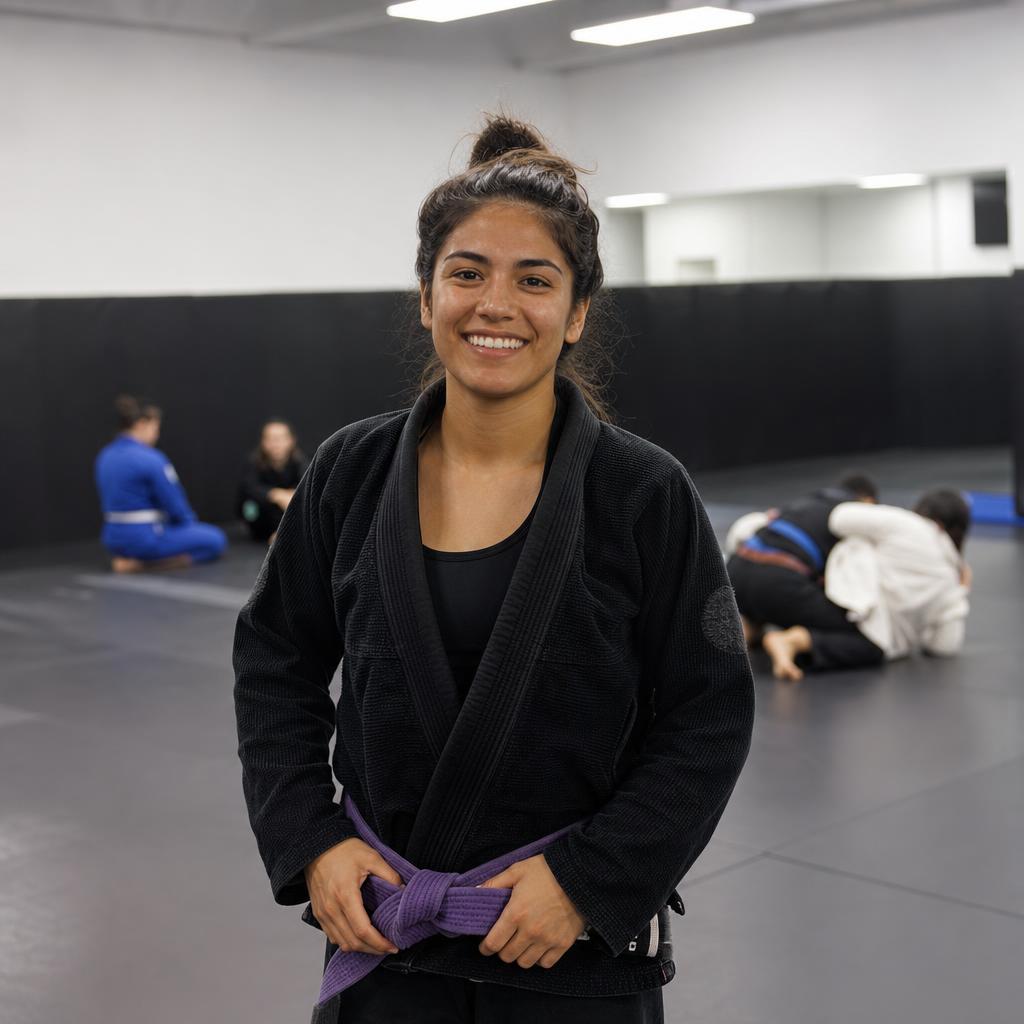
When stepping onto the mats at Aeon BJJ, a common oversight among practitioners is the absence of a reliable mouthguard. With BJJ’s reputation as one of the most physically demanding martial arts, the question is not whether injuries can occur, but when. A mouthguard, though often underestimated, serves as an essential piece of armor that protects more than just your teeth. In this article, we’ll delve into why mouthguards are indispensable for both hobbyists and competitors at Aeon BJJ, and how this small piece of equipment plays a critical role in safeguarding your overall health and enhancing your performance.
Understanding the Role of Mouthguards in BJJ
Brazilian Jiu-Jitsu (BJJ) is a grappling-focused martial art that demands intense physical engagement, often bringing opponents into close contact. During these exchanges, accidental elbow strikes, knee clashes, and face-to-mat impacts are common. Without a mouthguard, such scenarios are almost guaranteed to result in dental trauma.
Types of Injuries Prevented
The primary function of a mouthguard is to cushion the impact to the face, minimizing the risk of chipped or broken teeth, tongue injuries, and jaw fractures. It acts as a shock absorber, distributing the force of a blow evenly throughout the mouth and reducing the likelihood of injury.
For those interested in exploring how BJJ clubs use apparel and accessories to enhance protection and identity on the mats, BJJ.ee’s article on custom apparel covers this in detail, emphasizing the multifaceted benefits of gear beyond just safety.
Psychological Edge
Interestingly, wearing a mouthguard provides a prominent psychological advantage. Knowing your teeth are protected allows you to roll with greater confidence, enabling a focus on technique rather than worrying about injury. This mental clarity can significantly impact performance, especially during competitions.
Choosing the Right Mouthguard
Selecting the right mouthguard is crucial. Ill-fitting mouthguards can be uncomfortable, impair breathing, and ultimately offer suboptimal protection.
Custom vs. Off-the-Shelf
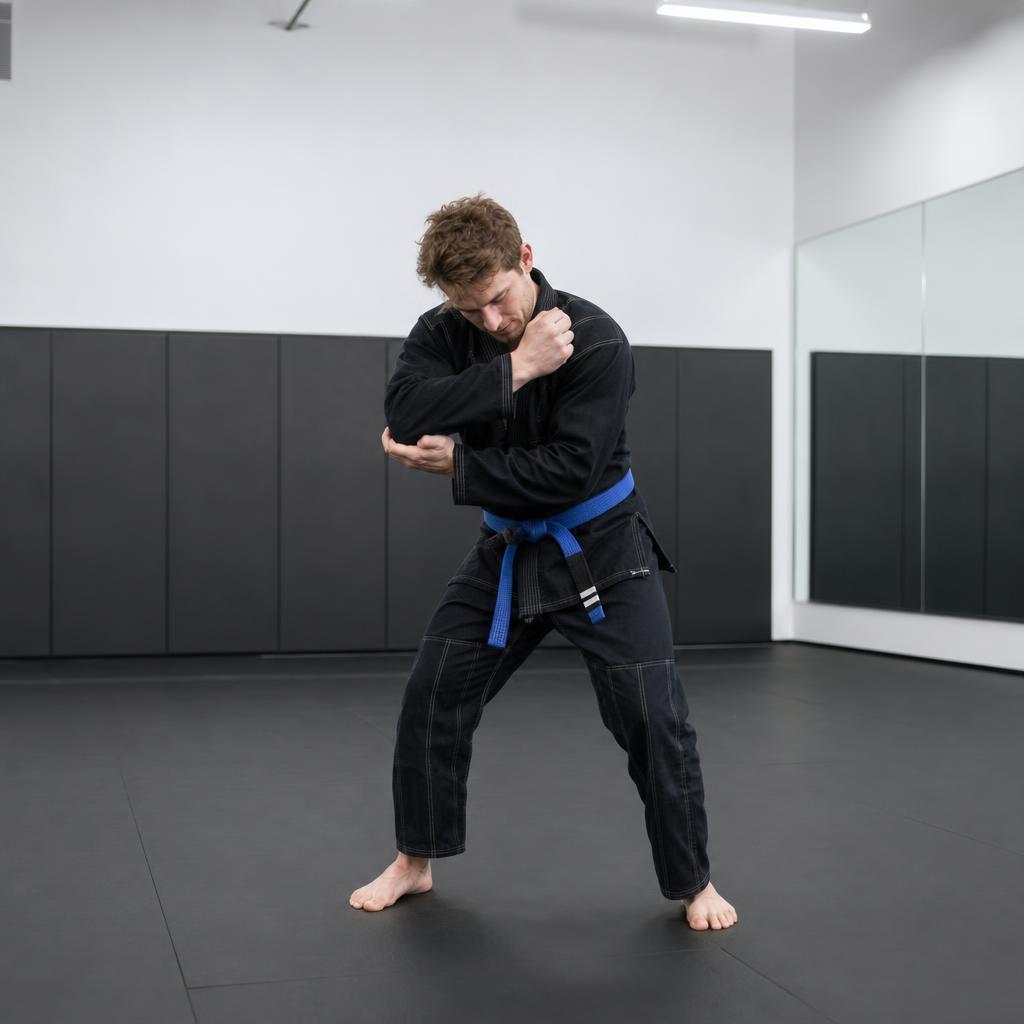
| Custom-Fit Mouthguards | Off-the-Shelf Mouthguards |
|---|---|
| Tailored to individual mouth structure | General fit, may require boiling and molding |
| Superior comfort and protection | Economical, but less precise fit |
| Higher cost, longer lifespan | Needs more frequent replacement |
Custom-fit mouthguards, often obtained through dental professionals, offer personalized protection that precisely fits the contours of your teeth and gums. This tailored fit reduces the likelihood of the mouthguard dislodging during rigorous grappling sessions. However, if budget constraints are an issue, off-the-shelf options still provide a basic level of safety.
Incorporating Mouthguards into Your Routine
Wearing a mouthguard should become second nature in your BJJ training ritual, much like donning your gi or securing your belt.
Step-by-Step Guide to Mouthguard Usage
1. Choosing the Right Model: Opt for a mouthguard that suits your level of engagement in BJJ. Beginners might start with a simple model, while competitors should invest in custom-fit options.
2. Testing Fit and Comfort: Ensure that the mouthguard is snug without being tight. It should fit comfortably over your upper teeth without needing to clench your jaw.
3. Regular Maintenance: Clean your mouthguard after each session to prevent bacterial buildup. Store it in a ventilated container to allow it to dry thoroughly.
4. Periodic Evaluation: Check your mouthguard regularly for wear and tear. Replace it if it becomes thin or damaged, as compromised mouthguards lose their protective qualities.
Common Misconceptions About Mouthguards
Despite the benefits, some misconceptions about mouthguards still deter athletes from consistent use.
“They’re Uncomfortable”
Many practitioners mistakenly assume all mouthguards are bulky and uncomfortable. While initially unfamiliar, a well-fitted mouthguard seldom causes discomfort and soon becomes a natural part of your training gear.
“Not Necessary for Practice”
Another myth is that mouthguards are only needed during competitions. Training sessions at Aeon BJJ can be as intense as competitions, with sparring frequently pushing limits. Dental protection should not be left to chance during these times.
BJJ Safety Beyond Mouthguards
While mouthguards are vital, overall safety in BJJ involves multiple aspects. At Aeon BJJ, emphasis is also placed on proper technique and controlled sparring to minimize injury risks.
Technique and Safety
Mastering techniques such as the rear naked choke improves both your offensive skills and defensive awareness. For a detailed breakdown, consult our Rear Naked Choke Guide, which ensures you’re applying and defending against this common submission effectively.
Gear and Apparel
Wearing appropriate apparel, maintaining mental awareness, and using protective gear collectively create a safer training environment. This holistic approach is reflected in our Adult Classes – Aeon BJJ, which seamlessly integrate safety without compromising on the dynamic nature of BJJ.
Key Takeaways
- Wearing a mouthguard significantly reduces the risk of dental injury during BJJ.
- Custom-fit mouthguards, while more expensive, offer superior protection and comfort.
- Integrate mouthguards as a natural part of your training gear to minimize forgetfulness.
- Address common misconceptions to promote continuous usage during training and competitions.
- Safety in BJJ involves proper techniques, protective gear, and mental awareness.
FAQ
Do I need a custom mouthguard if I’m just starting out?
While custom mouthguards offer the best protection, beginners can start with a quality off-the-shelf option. As you progress and intensify your training, consider investing in a custom-fit mouthguard.
How often should I replace my mouthguard?
Regularly inspect your mouthguard for wear and tear. Replace it if it shows signs of thinning or damage, typically every six months to a year, depending on usage.
Is it necessary to wear a mouthguard if I only train recreationally?
Yes, mouthguards are recommended for all levels of training. Even recreational rolling can result in accidental impacts that might cause dental injuries.
What should I do if my mouthguard feels uncomfortable?
If your mouthguard feels uncomfortable, it may not fit properly. Consider having it adjusted or investing in a custom-fit mouthguard for enhanced comfort and protection.
How can I maintain my mouthguard?
Clean your mouthguard after each use with cold water and mild soap. Store it in a ventilated case to dry and keep it away from direct sunlight and high temperatures.
As you continue your journey in BJJ, remember that injuries are part of the learning process, but many are preventable. The mouthguard, a minor yet powerful piece of equipment, can significantly impact your safety and confidence. Whether you’re attending your first class at Aeon BJJ or preparing for a tournament, ensure your smile is protected so you can focus on what matters most—mastering the art of Brazilian Jiu-Jitsu.
What Our Students Say — 5★ | Based on 95 Reviews
★★★★★
“The atmosphere is electric and the teaching impeccable. Come see for yourself why “there’s no place like home” ;-)”
— Sub