
—
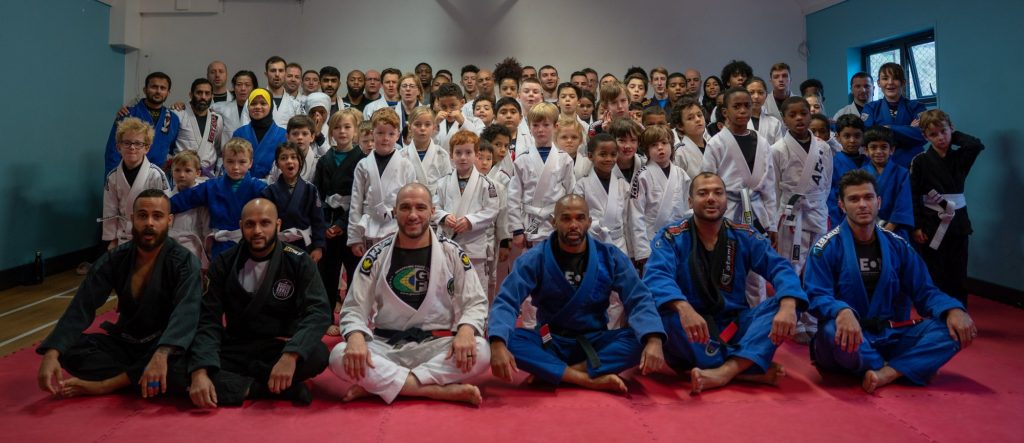
When it comes to Brazilian Jiu-Jitsu (BJJ), the adage that practice makes perfect is only half of the equation. To truly master your craft, recovery is key. Athletes who dedicate time to effective recovery not only perform better but also extend their longevity in the sport. As a seasoned BJJ coach with over 14 years of experience at Aeon BJJ in London, I’ve seen how critical recovery is to the success of practitioners. Let’s delve into some essential recovery tips specifically tailored for BJJ practitioners.
The Importance of Recovery in BJJ
Recovery is often underestimated in martial arts, yet it is vital for enhancing performance and preventing injuries. BJJ is a demanding sport that requires both physical and mental resilience. Whether you’re prepping for a belt test or an upcoming competition, neglecting recovery can lead to burnout or setbacks.
Physical Fatigue vs. Mental Fatigue
Understanding the distinction between physical and mental fatigue is crucial. Physical fatigue is the more apparent side, marked by muscle soreness and exhaustion from intense workouts. Mental fatigue, on the other hand, can sneak up on you, manifesting as lack of focus or motivation. Both must be addressed to maintain optimum performance levels.
For practitioners like those at Aeon BJJ, balancing both types of fatigue ensures training remains productive and enjoyable. Aeon BJJ, rated 5★ by 95 members on Google, emphasizes recovery strategies in its programs, ensuring students progress effectively and safely.
Hydration and Nutrition
Fueling your body correctly is the foundation of recovery. Without proper nutrition and hydration, the body cannot repair itself efficiently.
Essential Nutrients
The essential nutrients for recovery include proteins, carbohydrates, and fats. Proteins are the building blocks for muscles, aiding repair and growth. Carbohydrates replenish glycogen stores depleted during training, while healthy fats are crucial for hormone production and overall energy levels. An effectively planned diet is as critical as a well-planned training regime.
Hydration: The Forgotten Key
Water plays a crucial role in every cellular function. Dehydration can severely hinder recovery by impairing nutrient transport and muscle repair. Aim to drink at least half your body weight in ounces of water daily, adjusting for the intensity of your workout and environmental conditions. Remember, well-hydrated muscles recover faster and with less soreness.
Rest and Sleep
Often overlooked, rest and sleep are fundamental components of any recovery plan. Quality sleep accelerates the recovery process, providing the body the downtime it needs for cellular repair and growth hormone production.
Quantity vs. Quality
It’s not just about logging enough hours, but ensuring those hours are restful. Create a sleep-friendly environment by keeping the room dark, cool, and quiet. Establish a bedtime routine that signals your body it’s time to wind down. This might involve reading, meditation, or light stretching.
Rest Days
Incorporate rest days into your training schedule to allow your muscles and mind to recuperate. This doesn’t mean you have to avoid all physical activity. Light activities such as walking or yoga can promote recovery by increasing blood flow and reducing muscle stiffness.
Active Recovery Techniques
Active recovery can be as simple as light cardiovascular exercises, such as cycling or swimming, which keep the body moving without overstressing it. This contrasts with rest recovery, which involves complete physical rest.
The Role of Stretching
Incorporate a mix of static and dynamic stretches into your routine. Static stretching elongates muscles and reduces tension, while dynamic stretching prepares the body for more intense physical activity.
For a detailed understanding of active recovery techniques that incorporate mental strategies for combating overtraining, visit BJJ.ee’s comprehensive coverage.
Injury Prevention and Management
Injuries are a part of BJJ as much as any contact sport. However, adopting a proactive approach can minimize their occurrence and severity.
Proper Warm-Up Techniques
Ensure your training includes a thorough warm-up to prepare the body for the demands of BJJ. This might involve a few minutes of cardio, joint rotations, and technique drills.
Focus on Technique
Perfecting your technique is a constant journey in BJJ, one that significantly impacts injury prevention. Training with experienced instructors like those at Aeon BJJ can enhance your technical prowess and minimize risky maneuvers.
For enhancing self-discipline and improving combat skills while engaging in enjoyable activities, GP SPORTS Miramas offers insightful tips on balancing pleasure and sports combat, detailed in their article on combining enjoyment and combat sports.
Key Takeaways
- Recovery is as important as training itself for BJJ practitioners.
- A balanced diet and proper hydration support efficient recovery.
- Restful sleep ensures bodily repair and hormonal balance.
- Active recovery techniques complement physical rest.
- Proper warm-up and technique are critical for injury prevention.
FAQ
How many rest days should I include in my training routine?
Typically, 1-2 rest days per week are recommended. However, listen to your body and adjust based on your energy and recovery needs.
What recovery techniques should I focus on if I’m preparing for a competition?
Prioritize sleep, balanced nutrition, and active recovery. Incorporate mental training strategies to stay focused. Consult your coaches at Aeon BJJ for personalized advice.
Can I practice BJJ while recovering from an injury?
It depends on the injury. Always consult a medical professional first. Modifying your training to focus on techniques that avoid stressing the injured area can sometimes be beneficial. Aeon BJJ’s instructors can guide you here.
What role do supplements play in recovery?
While not necessary for everyone, supplements such as protein powders, BCAAs, and omega-3s can aid recovery. Consult with a nutritionist or a coach to determine what might benefit you.
Is stretching after every class necessary?
Yes, stretching helps in reducing muscle soreness and improving flexibility. It is a crucial part of your cooldown routine post-training at Aeon BJJ.
What Our Students Say — 5★ | Based on 95 Reviews
★★★★★
“Aeon Bjj is fantastic, I am so glad I found this club. My confidence has grown since training and I put this down to the people at Aeon.”
— Elisha
Powered by GymGrow — SEO automation for gyms