
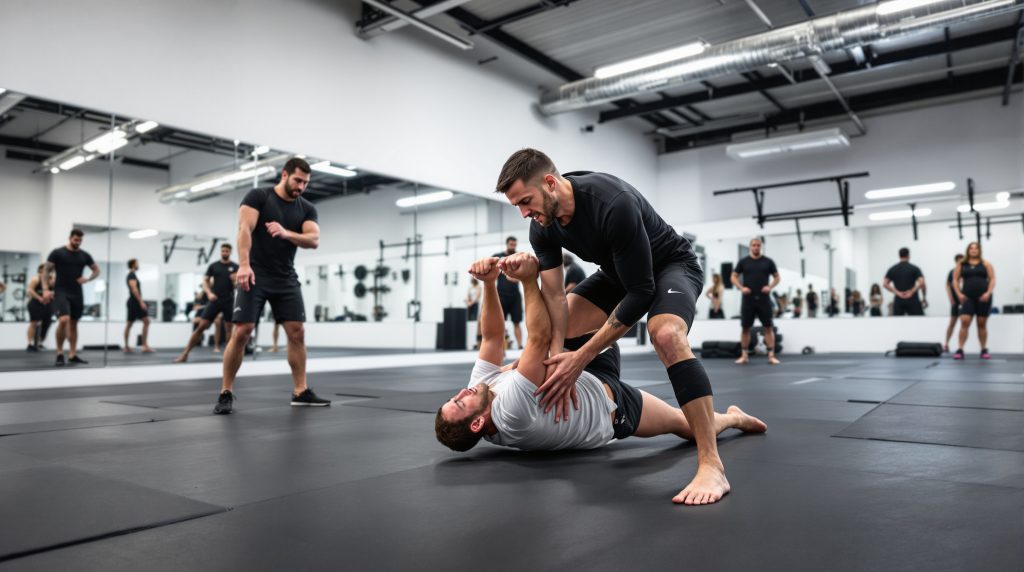
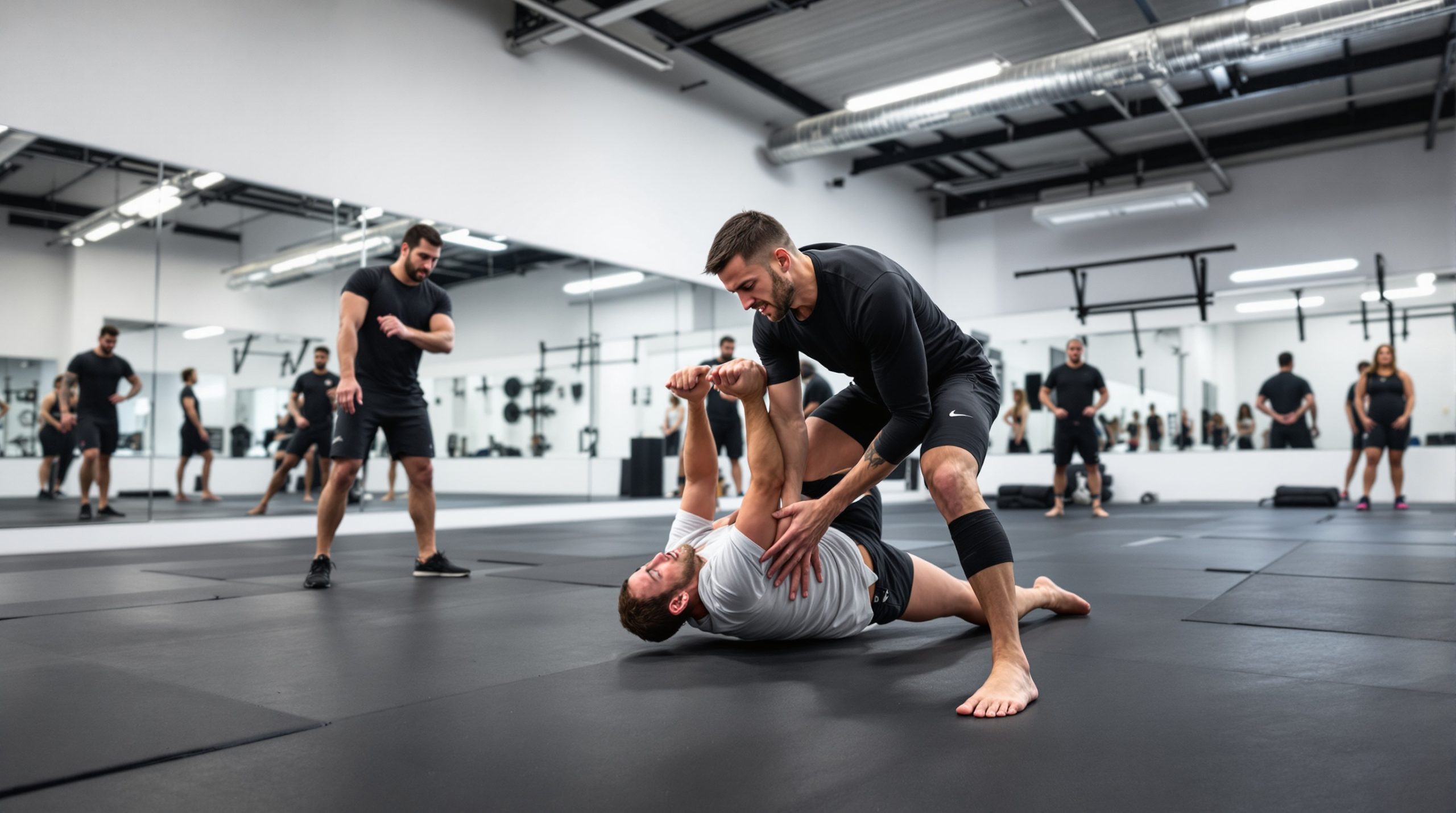
Unlock the fundamentals of Brazilian Jiu-Jitsu in this Beginner’s Guide for aspiring practitioners
The world of Brazilian Jiu-Jitsu (BJJ) is a thrilling and complex journey that transforms more than just the body. Whether your goals are fitness, self-defense, or competition, understanding the basics is crucial. With roots in combat and self-defense, BJJ stands out as a martial art that relies not on strength or aggression, but on technique and leverage. Our Beginner’s Guide to Brazilian Jiu-Jitsu: What You Need to Know will arm you with essential knowledge and practical steps to start your BJJ journey confidently.
Understanding Brazilian Jiu-Jitsu

Brazilian Jiu-Jitsu is often described as a “game of human chess,” where practitioners think several moves ahead, anticipating their opponent’s actions. Unlike other martial arts that involve striking, BJJ focuses on grappling, ground fighting, and submission holds. This makes it an ideal choice for those who may not have a physical advantage over their opponents.
At Aeon BJJ in London, we emphasize that every practitioner starts as a blank slate. Our dedicated instructors, including Eamonn, Tariq, Sam, Dee, and Dan, commit to teaching students the foundational elements of BJJ. Newcomers often worry about the steep learning curve, but rest assured that everyone, from children to adults, can find their rhythm.
Starting Your BJJ Journey
What to Expect in Your First Class
The first BJJ class can be daunting, but remember, every black belt was once a beginner. Walking into the dojo, you’ll notice the mat space where all the magic happens. It’s the epicenter of sweat, taps, and mutual respect. When you first step onto the mats at Aeon BJJ, you’ll be introduced to basic movements such as shrimping (a core drilling technique), hip escapes, and gentle rolling.
Nerves are normal, and you may not grasp everything immediately. However, the culture in BJJ classes is incredibly supportive, emphasizing learning over competition. You’ll get hands-on experience with fundamental positions like the guard, mount, and side control.
Equipment and Gear for Beginners
Starting BJJ doesn’t require a lot of gear, which makes it accessible to everyone. The essential item is the gi, a heavy-duty uniform that withstands the rigors of grappling. At Aeon BJJ, our instructors recommend that beginners invest in a good-quality gi as it promotes better skill development.
Once you’re comfortable, you may want to purchase a rash guard for additional comfort and hygiene, especially beneficial during no-gi sessions. Don’t forget to bring a water bottle and maybe a notebook to jot down new techniques you’ve learned.
Key Techniques and Positions
A significant part of your early BJJ education will involve familiarizing yourself with crucial techniques and positions. These serve as the building blocks for more advanced strategies.
Basic Positions
1. Guard: Often described as a defensive position, the guard allows you to control an opponent using your legs. Mastering guard techniques can be pivotal in BJJ, providing a foundation for various sweeps and submissions.
2. Mount: This is where you sit on top of your opponent’s torso with knees on the ground, providing a dominant position. Mastery here offers multiple submission opportunities like the Americana or armbar.
3. Side Control: Offers control over your opponent while laying across them, providing an advantageous position to transition into submissions like the Kimura.
Submission Techniques
Submissions are the ultimate goal in a BJJ match. The triangle choke and rear-naked choke are common submissions that utilize technique over strength. To fully understand these, consider accessing resources such as BJJ.ee’s guide to the seat belt in BJJ, which delves into critical positional strategies that enhance submission success.
Training Schedules and Consistency
Commitment and consistency are vital to progressing in Brazilian Jiu-Jitsu. At Aeon BJJ, many practitioners follow a structured training schedule that balances technique learning, sparring, and mental skills development. Here’s a typical beginner’s weekly training plan:
| Day | Activity |
|---|---|
| Monday | Beginner Techniques & Drills |
| Wednesday | No-Gi Practice & Positional Sparring |
| Friday | Guard Passing & Open Mat Rolling |
| Saturday | Open Mat for Extra Practice |
Remember, consistency overcomes talent in BJJ. By regularly attending classes, students improve not just in skill but also in confidence and mental agility.
Overcoming Common Challenges
First-Class Nerves and Integration
Stepping onto the mat for the first time might leave you anxious, but it’s a shared experience. Remember that even seasoned practitioners felt the same way at the beginning. At Aeon BJJ, our approach includes a welcoming environment where new students can integrate into classes comfortably.
Competitions and Progression
For many, the specter of competition looms large. Deciding when to compete is personal. Some jump in early, while others wait until they’re more seasoned. BJJ competitions are a great way to test your skills in a controlled environment. Moreover, the journey from white to black belt—rated 5★ by our students on Google—embodies a personal and technical evolution, not just a collection of colors.
Key Takeaways
– Brazilian Jiu-Jitsu emphasizes technique and leverage over strength.
– Start your journey with a free trial class at Aeon BJJ to explore what works for you.
– Familiarize yourself with essential positions like the guard, mount, and side control.
– Consistency in training is key; follow a structured schedule for better results.
– Embrace the community feel at Aeon BJJ to overcome initial nerves and integrate smoothly.
What Our Students Say — 5★ | Based on 95 Reviews
★★★★★
“They are a very professional outfit and take their Jiu Jitsu very seriously without being overbearing on the children.”
— Ads
FAQ
What should I expect during my first BJJ class?
Anticipate learning fundamental techniques and positions like guard and mount. Be ready for light rolling to practice your moves.
Do I need a gi for my first class?
While it’s recommended to wear a gi for formal classes, experiencing your first with a free trial at Aeon BJJ doesn’t require specific gear.
How often should a beginner train?
Consistent practice, about 3-4 times a week, will help establish a solid foundation in BJJ.
Is competition necessary in BJJ?
While beneficial for skill development, competing is a personal choice, suited for those looking to test their progression.
How do belt promotions work at Aeon BJJ?
Promotions focus on skill, commitment, and understanding of BJJ concepts, achieved through class assessments and time spent on the mat.