

Judo clubs are more than just places for practicing martial arts; they are vibrant communities that foster discipline, respect, and personal growth. It’s surprising to see how these clubs have evolved from traditional training dojos to inclusive environments accommodating diverse student needs. At Aeon BJJ, we’ve seen firsthand how judo, despite being deeply rooted in tradition, continues to adapt by embracing modern training methodologies.
Understanding the Foundations of Judo
Judo, meaning “the gentle way,” originated in Japan in the late 19th century, crafted by Jigoro Kano. Unlike many martial arts, judo emphasizes using an opponent’s energy against them, making it a strategic as well as a physical discipline. The beauty of judo lies in its simplicity and effectiveness, distilled into a core set of throws, pins, and submission techniques. Understanding these foundational techniques not only prepares one for competition but also instills a deep sense of discipline and respect, core tenets upheld in every judo club.
Key Judo Techniques
– Throws (Nage-waza): This includes a variety of techniques designed to off-balance and throw your opponent. The popular O-Soto-Gari (large outer reap) and Seoi-Nage (shoulder throw) are essential moves taught early in judo classes.
– Pins (Osaekomi-waza): Effective pins such as Kesa-gatame (scarf hold) are crucial in maintaining control on the ground and earning points during matches.
– Chokes and Joint Locks (Shime-waza and Kansetsu-waza): These techniques, including the Juji Gatame (armbar), are advanced moves focusing on subduing opponents effectively.
Finding the Right Judo Club
Choosing the right judo club can be daunting, given the myriad of factors that influence a fulfilling training experience. As a student, consider the club’s environment, the qualifications of instructors, and the facilities available. At Aeon BJJ, we focus on creating a welcoming space where both beginners and seasoned judoka feel challenged yet comfortable.
Evaluating the Club’s Environment
A club’s culture plays a significant role in a student’s development. It’s essential for the environment to be supportive, with a strong sense of camaraderie among members. A well-rated club, such as one rated 5★ by 95 members on Google, is often indicative of how members appreciate the club’s ethos and instructional quality.
Assessing Instructor Qualifications
Instructors with a deep understanding and experience in judo make a significant difference. They can adapt their teaching to cater to varying skill levels, something we pride ourselves on at Aeon BJJ. Our instructors, including Eamonn, Tariq, Sam, Dee, and Dan, bring diverse expertise, ensuring a holistic learning experience.
Training Tips for Success in Judo
For beginners stepping onto the tatami for the first time, the initial experience can be both exhilarating and nerve-wracking. Here are strategic insights to make this transition smoother:
Embrace the Basics
Focusing on fundamental movements and techniques lays a solid foundation for future growth. Repeat the basics until they become second nature. Mastering simple techniques like break-falls (Ukemi) not only builds confidence but also prevents injury.
Mental Preparedness
Judo isn’t just a physical sport; mental fortitude is equally crucial. Visualizing techniques, understanding their application, and maintaining composure under pressure enhance performance significantly. Engaging in meditation or focused breathing techniques can enhance mental resilience.
Technique Comparison: Judo vs. Brazilian Jiu-Jitsu Throws
Understanding the differences between similar techniques in judo and Brazilian Jiu-Jitsu (BJJ) can offer richer insights for martial artists training at clubs like Aeon BJJ. Below is a comparison table:
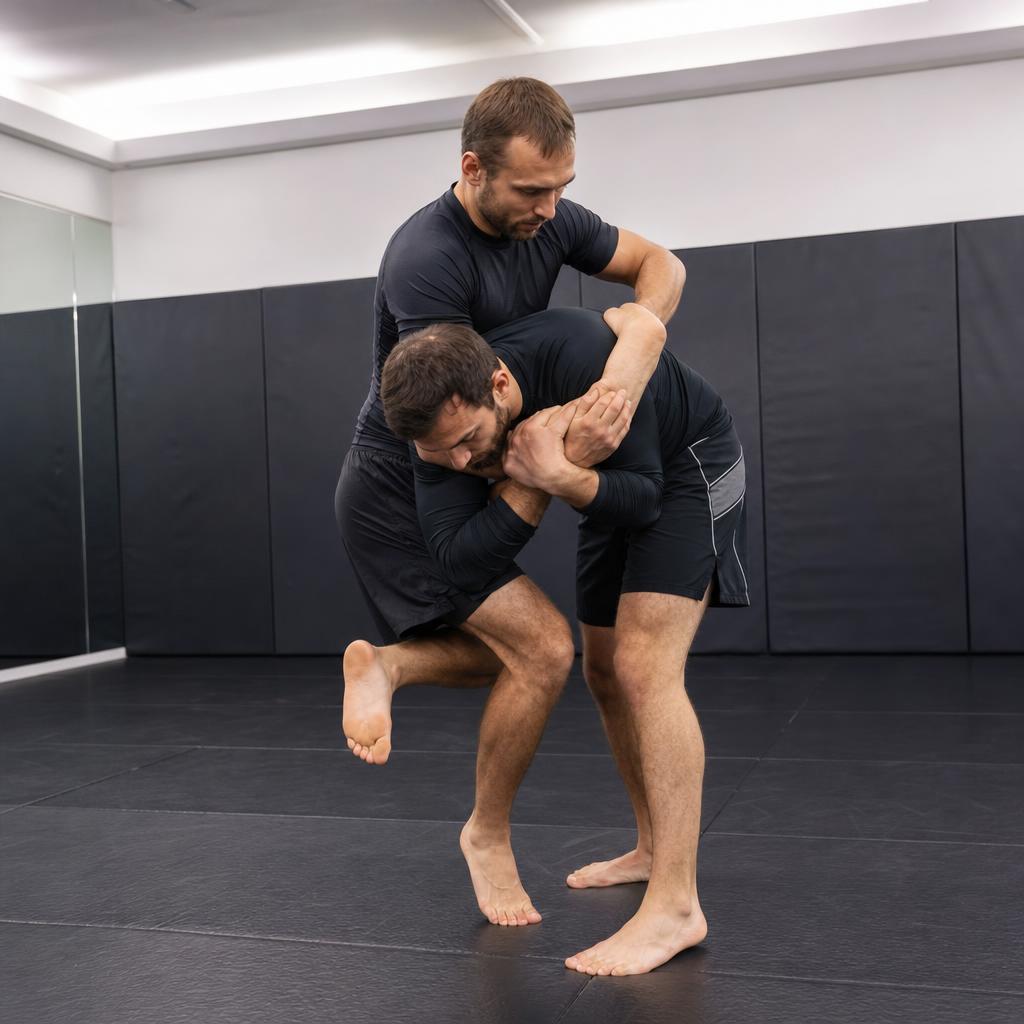
| Judo Throw | BJJ Application |
|---|---|
| Ippon Seoi Nage | Often converted to a back take |
| Uchi Mata | Adapted into guard sweeps |
| Harai Goshi | Used in gi-based take-downs |
| Kouchi Gari | Applied in counter-sweeps |
This comparison allows practitioners to appreciate how techniques can evolve and adapt across disciplines, enhancing overall martial arts proficiency.
Progressing Through the Ranks in Judo
Earning belts in judo not only signifies skill proficiency but also personal development milestones. The journey from a white belt to a black belt is rigorous, demanding commitment and persistence. Regularly attending classes and engaging with instructors for feedback is crucial for progress.
Preparing for Belt Tests
Each belt test assesses both technical power and theoretical understanding. Students should regularly review their syllabus and engage in mock tests to build confidence. At Aeon BJJ, we encourage students to seek personalized training sessions, particularly before belt tests, by availing themselves of our private lessons.
For those looking to deepen their understanding of judo’s historical influence on modern practices, BJJ.ee’s coverage of Jeremy Glick, an honorary 10th-degree judo black belt who heroically tried to stop 9/11 offers a detailed exploration of his legacy.
Key Takeaways
- Understanding the foundational techniques is crucial for judo success.
- Choosing the right club environment fosters effective learning.
- Practice mental strength and technique visualization regularly.
- Cross-discipline training enhances grappling skills.
- Consistent preparation is key for belt test success.
FAQ
What should I wear to my first judo class?
New students usually start with gym wear. However, it’s advisable to purchase a judo gi (uniform) if you plan to continue training.
How does judo benefit physically and mentally?
Judo enhances physical strength, flexibility, and cardiovascular health while promoting mental resilience, discipline, and strategic thinking.
Can I cross-train judo with Brazilian Jiu-Jitsu at Aeon BJJ?
Absolutely! Cross-training at Aeon BJJ allows for a broader grappling perspective, leveraging strengths from each martial art.
Is judo suitable for all ages?
Yes, judo can be practiced by individuals of all ages, with tailored classes available for children and adults.
How often should I train to progress in judo?
Consistency is key. Attending classes at least two to three times a week is generally recommended for noticeable progression.
Join us at Aeon BJJ to embark on a rewarding judo journey and experience the transformative power of martial arts firsthand. Whether you’re drawn to the physical, mental, or competitive aspects of judo, our comprehensive classes are designed to support every step of your black belt pursuit.
What Our Students Say — 5★ | Based on 95 Reviews
★★★★★
“Having never done Brazilian jiu jitsu or anything like it really before I wasn’t sure what to expect. But the instructor at Aeon and all the members really helped make me feel welcome and part of the team.”
— Joe