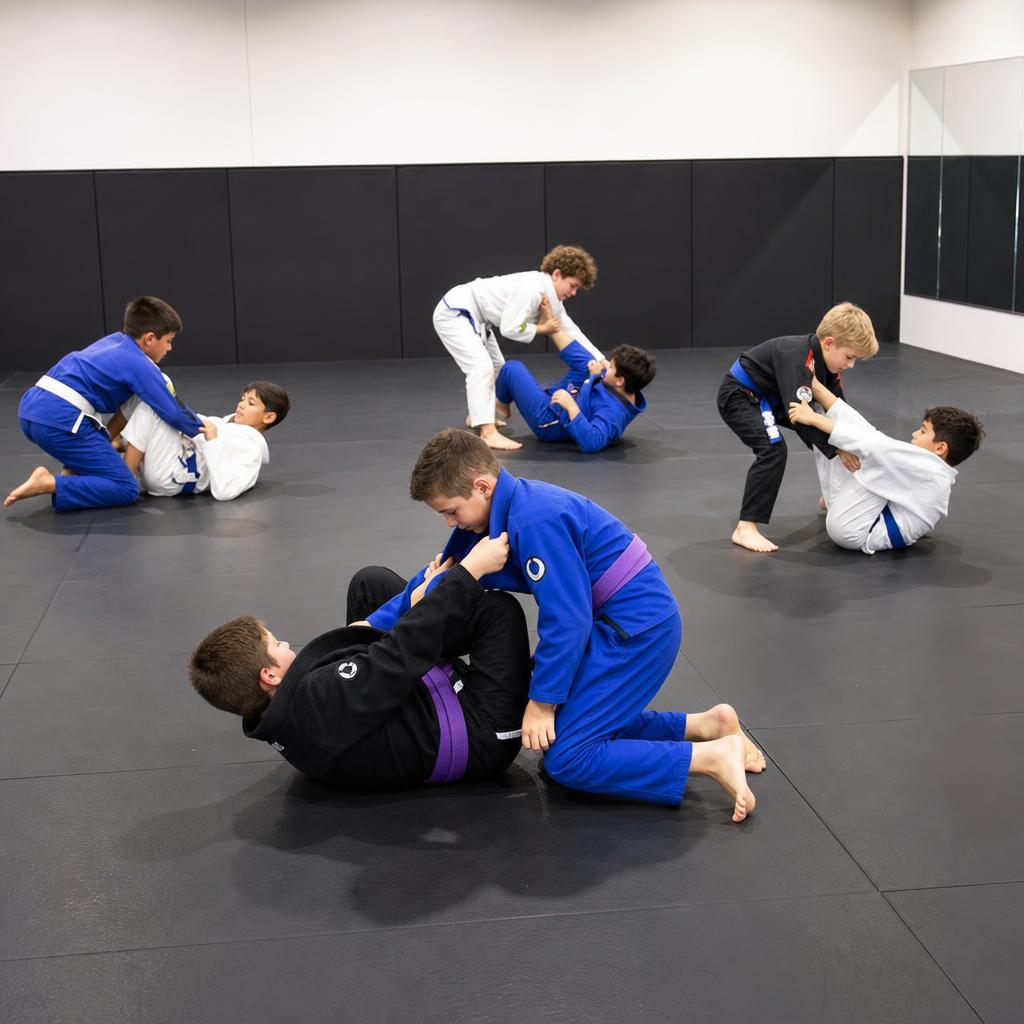
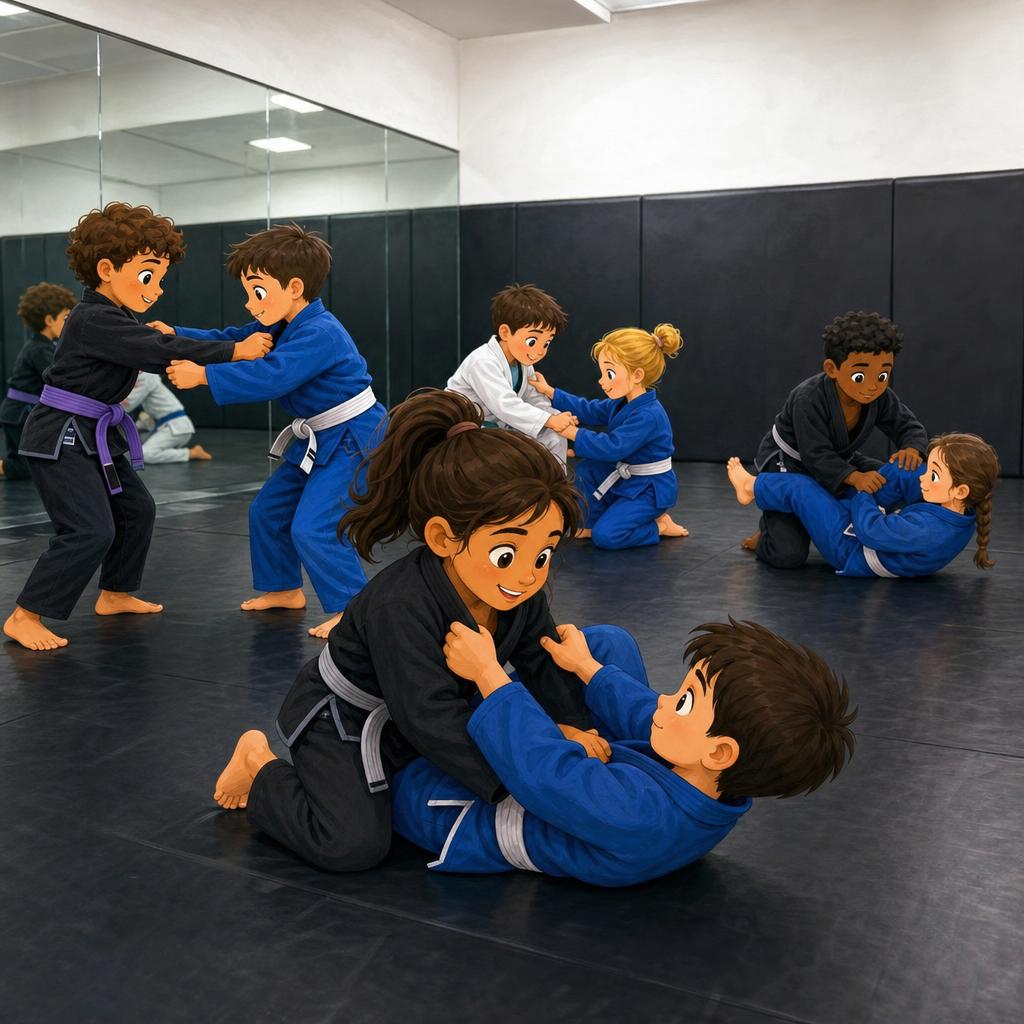
Brazilian Jiu-Jitsu (BJJ) classes for teenagers may just be the untapped resource that provides physical prowess, mental resilience, and social connection. Think beyond the typical after-school activities; imagine a practice where students grapple with real-world scenarios, hone their mental acuity, and cultivate friendships on and off the mat. BJJ classes for teenagers at Aeon BJJ offer a unique blend of fitness, self-defense skills, personal development, and fun. Rated 5★ by 95 members on Google, Aeon BJJ is not just a training ground; it’s an environment that fosters remarkable growth in young adults.
Benefits Beyond the Physical
It’s a misconception that BJJ is only about physical strength. For teenagers, this dynamic martial art provides a host of benefits that extend beyond the mat. While the physical benefits, such as improved strength, agility, and endurance, are undeniable, it’s the intangible skills that often have the greatest impact.
Building Confidence and Character
Engaging in BJJ not only improves self-defense skills but significantly boosts confidence. The intricate grappling techniques and personalized feedback from instructors like Eamonn, Tariq, Sam, and Dee help teenagers deal with stress and anxiety by challenging them in a controlled, supportive environment. The sense of achievement from mastering a technique or moving up a belt rank instills a deeper belief in their abilities.
Enhancing Focus and Discipline
BJJ requires mental engagement and acute focus, essential elements in both academic and personal settings. Teens often find that BJJ helps them develop better concentration, patience, and discipline. The structured atmosphere of Aeon BJJ’s classes coupled with the sequential learning of techniques fosters a disciplined approach, which easily translates into their daily lives.
What Happens in a Typical Class?
For those unfamiliar, a BJJ class for teenagers at Aeon BJJ combines a structured curriculum with an atmosphere of camaraderie and mutual respect. But what should a new student expect when they step onto the mat for the first time?
Warm-up and Conditioning
Classes usually begin with a general warm-up to prevent injuries and prepare the body for rigorous physical activity. This includes dynamic stretching, cardio drills, and strength exercises tailored to teenage students.
Core Technique Practice
Following the warm-up, the heart of the class begins with drilling core techniques and positions such as guard passes, escapes, and submissions. Instructors guide students through each movement with detailed explanations and demonstrations. For instance, understanding the mechanics of the Rear Naked Choke not only enhances a teen’s grappling repertoire but also illustrates the importance of leverage over brute strength.
Sparring and Live Drills
Live sparring, or “rolling,” is a crucial aspect of BJJ. It offers teens a chance to apply the techniques learned in a controlled, competitive environment. Sparring is not just about physique but strategy, patience, and adaptability. Instructors emphasize safety and controlled intensity, ensuring a positive experience for every student.
Comparing Techniques: Simple vs. Complex Grappling Moves
In BJJ, some techniques can be simplified for beginners or expanded for advanced practitioners. Here’s a comparative look at two types of moves often taught in classes:
| Technique Type | Description and Purpose |
|---|---|
| Simple: Guard Pass | Ideal for beginners; involves breaking the opponent’s guard and transitioning to a dominant position such as side control or mount. Enhances understanding of leverage. |
| Complex: Armbar from Mount | More advanced; requires transitioning from a mounted position to isolate and hyperextend the opponent’s arm. It involves precise timing and positioning for effectiveness. |
What Our Students Say — 5★ | Based on 95 Reviews
★★★★★
“Aeon Bjj is fantastic, I am so glad I found this club. My confidence has grown since training and I put this down to the people at Aeon.”
— Elisha
Encouraging Social Connection
The social aspect of attending BJJ classes should not be underestimated. Unlike team sports that may foster competitiveness, BJJ encourages mutual growth, cooperation, and respect among peers. Teenagers develop strong bonds as they train and learn together. This social environment helps combat loneliness and fosters friendships based on shared experiences and goals.
Preparing for the First Class
Getting started with BJJ classes can be both thrilling and nerve-wracking for teenagers and their parents. However, Aeon BJJ provides a seamless beginning with their free trial class for new members.
Overcoming First Class Jitters
It’s normal for beginners to feel anxious about their first class. Encourage your teen to embrace the experience with an open mind. Assure them that it’s okay not to know every technique—learning is a core part of the process.
Essentials to Bring
Ensure your teenager comes prepared. A typical class requires a gi (the traditional martial arts uniform), a mouthguard, and a water bottle. Most importantly, bring a positive attitude and a willingness to learn.
Aligning Expectations
Before starting, it’s vital to set personal goals. Whether the aim is to improve fitness, learn self-defense, or even participate in competitions, having clear expectations enhances the focus and motivation of the learning process.
As part of our community, we also recommend partnering with other practitioners for additional perspectives. For those interested, consider grappling resources like these offered in Miramas.
Key Takeaways
- BJJ offers teenagers benefits beyond physical strength, improving confidence and focus.
- A typical class involves warm-ups, technique drills, and live sparring.
- The social environment in BJJ classes fosters growth through cooperation and respect.
- Prepping for a first class is simple with clear goals and a positive mindset.
- Aeon BJJ offers a free trial class to welcome new members to the community.
FAQ
What if my teenager has no prior martial arts experience?
That’s perfectly fine! Aeon BJJ classes are designed to accommodate absolute beginners. Techniques are taught from the ground up, ensuring everyone feels comfortable and progresses at their own pace. The free trial class is an excellent way to get started.
Is BJJ safe for teenagers?
BJJ is a martial art that prioritizes safety through controlled movements and sparring. Instructors at Aeon BJJ emphasize supervision and safety protocols, making it a suitable choice for teenagers.
How often should my teenager train?
For optimal progress, attending classes 2-3 times per week is ideal. However, this can vary depending on personal goals and schedule availability. A consistent routine helps in building skills and confidence.
What if my teenager wants to compete?
Competition is an exciting aspect of BJJ and not mandatory. However, should your teenager wish to participate, Aeon BJJ provides all the necessary coaching and preparation to compete successfully. Our structured approach ensures they are well-prepared for competitions.
Are there adult classes available?
Absolutely! For adults interested in exploring BJJ, Aeon BJJ offers a range of Adult Classes tailored to different skill levels and goals.
Through BJJ classes at Aeon BJJ, teenagers gain not only improved physical health but a pathway to enhanced personal development. Encouraging your teen to take up BJJ could be the pivotal decision that shapes their future, unlocking a lifelong appreciation for martial arts and personal growth.