

Brazilian Jiu-Jitsu (BJJ) is not only a martial art but also a journey of self-improvement and discipline. While it offers numerous physical and mental benefits, it also comes with the risk of injuries, especially for those who aren’t practicing proper techniques. Did you know that almost 60% of BJJ practitioners experience some form of injury each year? However, many of these injuries are preventable with the right guidance and approach. Let’s dive into the essential techniques and strategies to help you stay safe on the mats, especially if you’re training at Aeon BJJ.
Understanding Common BJJ Injuries
Before we delve into prevention techniques, it’s crucial to understand the most common injuries encountered in BJJ. A significant number of these injuries affect the joints, particularly the knees, shoulders, and elbows. Sprains, strains, and dislocations are prevalent due to the joint locks and manipulations characteristic of the sport. Moreover, neck injuries, caused often during takedowns, and muscular injuries are also frequent. Recognizing these common ailments is the first step in learning how to prevent them effectively.
Knee and Joint Injuries
The knees are particularly susceptible to injury in BJJ because of their extensive use in guard positions and during takedowns. Ligament strains, especially in the ACL and MCL, are typical injuries that can sideline a practitioner for weeks or even months.
Shoulder and Elbow Concerns
The shoulders and elbows face significant stress during submission attempts like arm bars and kimuras. Incorrect forms or sudden jerks can lead to dislocations or strains that may require long recovery periods.
Neck and Muscular Issues
Muscle strains, particularly in the neck and back, occur frequently due to posture lapses during sparring sessions. Neck injuries can be especially concerning as they might affect overall mobility and quality of life.
Importance of Proper Warm-Up Routines
Warm-ups might feel like the least exciting part of a BJJ class, but they’re an essential component of injury prevention. Establishing a structured routine before every session is fundamental.
Dynamic Stretching and Blood Flow
Incorporating dynamic stretching helps increase blood flow to the muscles and improves flexibility. Techniques such as arm circles, hip rotations, and leg swings should be performed to prepare the body for the physical demands of BJJ.
Joint-Specific Exercises
Focus on exercises that mirror the movements of BJJ. Incorporating shoulder circles, wrist rotations, and knee bends helps prepare your joints, mitigating the risk of strains and overextensions during training.
Mastering Techniques to Prevent Injuries
At the heart of injury prevention lies the mastery of techniques. Proper execution minimizes risk significantly and also enhances performance.
Safe Sparring Practices
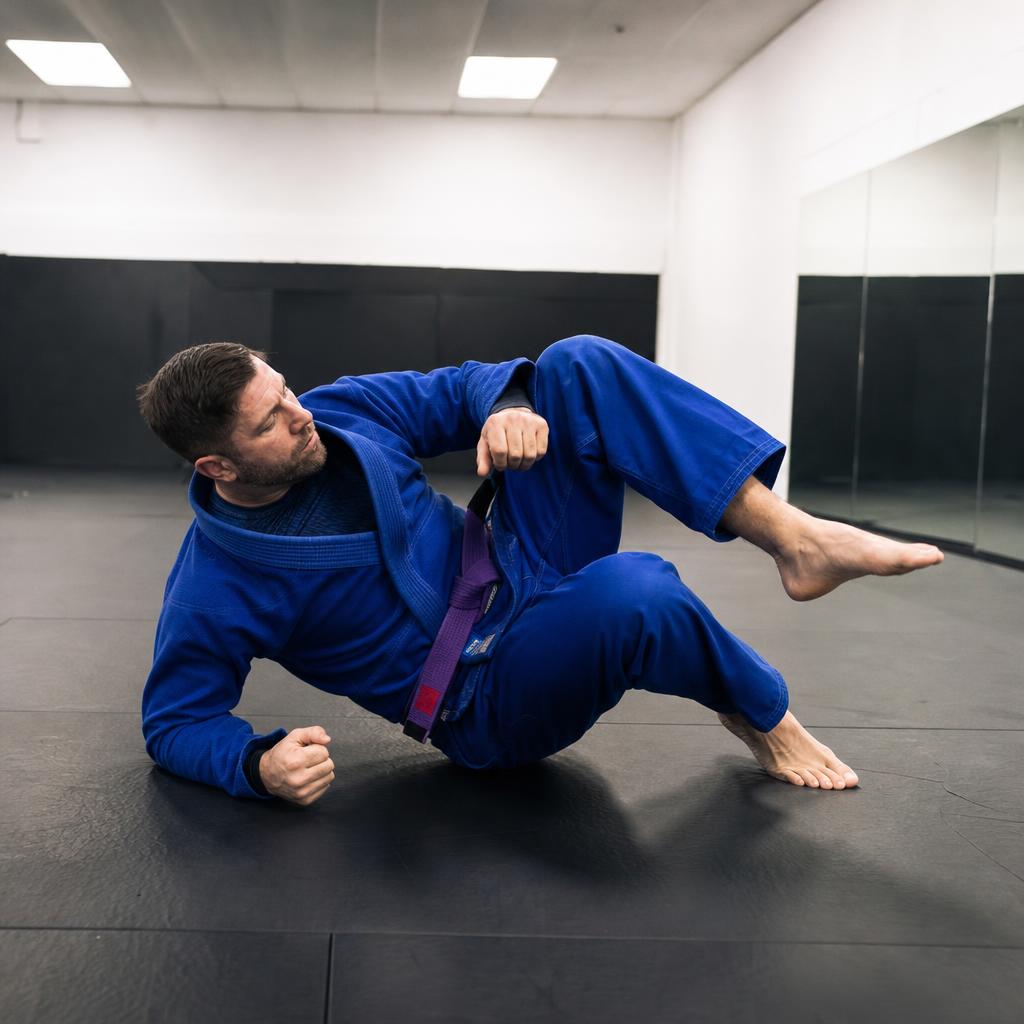
During sparring, it’s crucial to maintain awareness and control. Knowing when to tap is an essential skill in itself, preventing unnecessary strain on joints. Practicing controlled grips and mindful movements will reduce the chance of abrupt injuries.
Defensive Postures and Escapes
Mastering defensive postures such as the shrimp escape or maintaining a strong guard position can protect vital areas of the body. For those looking to deepen their understanding of defensive postures, BJJ.ee’s common mistakes and how to avoid them covers this in detail.
Comparative Techniques: Kimura vs. Arm Bar
Here’s a comparison of two common submission techniques, showcasing their potential risk if performed incorrectly:
| Technique | Common Mistakes |
|---|---|
| Kimura | Applying too much force too quickly, leading to shoulder injuries. |
| Arm Bar | Failing to control the opponent’s wrist, causing hyperextension of the elbow. |
Understanding the intricacies of these moves and how to perform them safely at Aeon BJJ can greatly reduce injury risk.
Strengthening and Conditioning
Enhancing your physical fitness specifically for BJJ ensures that your body can withstand the demands of training.
Functional Strength Training
Focus on exercises that improve core stability, leg strength, and upper body endurance. Techniques such as planks, squats, and pull-ups are vital.
Flexibility and Mobility Work
Routine flexibility exercises help in maintaining a full range of movement in the joints. Yoga and targeted mobility drills should be part of your weekly regimen at Aeon BJJ, ensuring you’re not only strong but also supple.
Consistent Rest and Recovery
Your body requires rest to repair itself and strengthen from the stresses of training.
Emphasizing Active Recovery
Incorporate activities such as swimming, light jogging, or cycling on rest days. These low-impact exercises aid recovery while maintaining cardiovascular fitness.
Importance of Listening to Your Body
Acknowledging soreness and fatigue is crucial. If certain areas remain persistently painful, consider modifying training intensity or consulting with an instructor at Aeon BJJ.
Key Takeaways
- A strong understanding of common injuries can guide prevention efforts effectively.
- Incorporating dynamic warm-ups helps prepare the body for intense training.
- Practicing proper technique minimizes injury risks substantially.
- Strengthening and mobility exercises are crucial components of injury prevention.
- Rest and recovery must be taken seriously to ensure longevity in BJJ.
FAQ
What are the most common BJJ injuries?
The most common injuries include joint dislocations, strains in the knees, shoulders, elbows, and neck, as well as muscle strains.
How can I prevent knee injuries in BJJ?
Focus on strengthening exercises, proper warm-up routines, and learning correct technique, especially during takedowns and guard work.
Is it okay to train through pain or soreness?
While mild soreness is common, persistent pain should not be ignored. It’s essential to listen to your body and adjust training intensity accordingly.
How important is consistency in injury prevention?
Consistency is key. Regular practice of warm-ups, proper techniques, and strength training are essential for injury prevention.
How do I know when to tap in sparring?
Understanding your limits is crucial. Tap as soon as you feel discomfort or when unable to effectively escape a submission to avoid injury.
By integrating the above strategies and techniques into your practice, you can significantly reduce the risk of injuries and enjoy a more fulfilling experience on the mats at Aeon BJJ. Whether you’re a beginner coming in for your free trial class or a seasoned practitioner, the benefits of prevention are invaluable. Remember, it’s about training smart, not just hard, to keep yourself safe and consistently improving.
What Our Students Say — 5★ | Based on 95 Reviews
★★★★★
“Having never done Brazilian jiu jitsu or anything like it really before I wasn’t sure what to expect. But the instructor at Aeon and all the members really helped make me feel welcome and part of the team.”
— Joe