
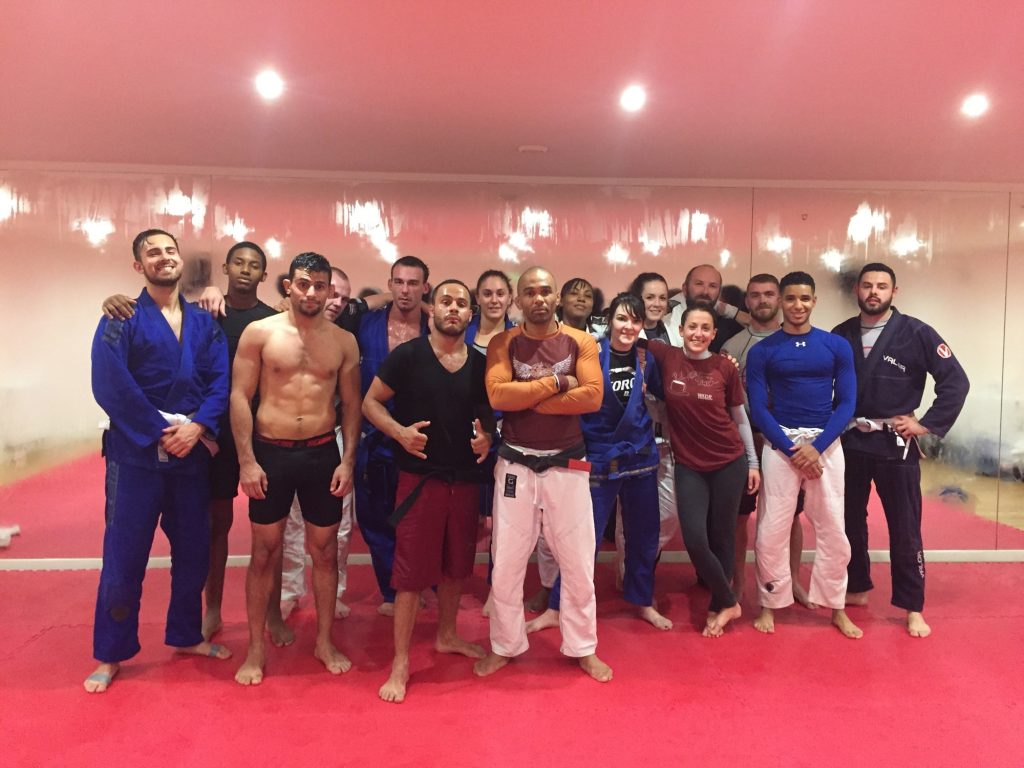
Losing is an integral part of Brazilian Jiu-Jitsu, not just in competitions but even during regular training sessions. Understanding how to mentally process these losses can be a pivotal part of personal development and success in the sport. At Aeon BJJ, we’ve seen students transform their grappling journey by harnessing the power of loss to fuel improvement and growth. It may come as a surprise, but many champions credit their losses as crucial turning points in their careers.
The Psychology Behind Loss

Understanding the mental processes that occur after a loss in BJJ is the first step in turning them into a constructive experience. The emotional responses triggered by a loss often range from frustration and disappointment to self-doubt and anger. These are natural reactions, but how you process them can distinguish successful practitioners from those who stagnate.
Emotional Responses and Their Impact
When you lose a match or fail to execute a technique, your mind might immediately dwell on the negative outcomes. This negativity can create a mindset that hampers future training sessions and competitions. Recognizing and acknowledging these feelings is an essential step. The goal should not be to suppress these emotions but to understand them, thus preventing them from controlling your actions.
Cognitive Reframing
One effective mental strategy is cognitive reframing. This technique involves changing the way you perceive your loss. Instead of viewing it as a failure, consider it an opportunity to learn. Ask yourself questions such as, “What did I learn from this match?” or “How can I improve my technique for next time?” By shifting your perspective, you transform a potentially demoralizing experience into a foundation for future success.
Setting Realistic Goals
A vital part of handling losses is setting realistic and achievable goals. This is not only about setting the right targets but also about managing expectations and maintaining motivation through gradual progress.
Short-term vs. Long-term Goals
Differentiate between short-term and long-term goals. Short-term goals, like improving your guard pass in the next few sessions, keep you motivated and provide tangible checkpoints for your progress. In contrast, long-term goals, such as earning your black belt or competing at a championship level, set a roadmap for continuous growth. Both types of goals complement each other and provide a structured approach to improvement.
Process Over Outcome
A common mistake in BJJ is focusing solely on the outcome of a match or a technique rather than the process. This approach can lead to unnecessary pressure and inevitable disappointment.
Technique and Strategy
Focusing on the outcome, such as winning a sparring session, often causes practitioners to overlook the importance of precision and strategy in their techniques. Understanding the difference between a well-executed technique and a hasty move can be the difference in reducing the frequency of losses. For those looking to deepen their understanding of technique, Cobrinha BJJ’s passing guide covers this in detail.
The Growth Mindset
Adopting a growth mindset is essential, where every loss is seen as part of a learning curve. Embrace challenges and persist in the face of setbacks. This mindset not only helps you control your responses to losses but also fosters resilience — a critical trait for success both on and off the mats.
The Role of Reflection
Reflection is an indispensable tool in every BJJ practitioner’s arsenal. Reflecting on each session, especially after a loss, offers insights that are not visible during the heat of the moment.
Journaling and Self-Assessment
Keeping a BJJ journal where you note your thoughts, techniques you worked on, and what didn’t go well can be enlightening. It allows you to track patterns, recognize improvements, and spotlight areas that need attention. Regular entries foster self-awareness and facilitate objective assessments of your performance.
Needing an External Perspective
Sometimes, self-assessment isn’t enough. Seeking feedback from your coaches at Aeon BJJ or peers can provide insights you might have overlooked. A neutral perspective can bring fresh ideas and strategies for improvement.
Recovering from Competition Loss
Competitive losses in BJJ can be particularly challenging to grapple with due to the heightened emotional and physical investment. However, these losses have their unique ways of contributing to personal growth.
Analyzing Competition Footage
Reviewing match footage with a critical eye can reveal a lot about your tactical approach, timing, and technique execution. Compare your moves against those of your opponent to identify weaknesses and strengths. Monarchy MMA offers comprehensive sessions that can enhance this analytical approach and bring improvements: Unleash your full potential.
Benchmarking Progress
Use competitions not just as markers of victory or defeat but as snapshots of your current skill level. They provide an objective view of where you stand in comparison to other athletes in your division. At Aeon BJJ, frequent competition analysis sessions help our athletes prepare for upcoming events with tailored training programs.
Beginner Mistakes vs. Correct Mindsets
The table below illustrates various common mistakes made by beginners in handling losses in BJJ contrasted with the correct mental approaches. This comparison offers practitioners a clearer pathway to emotional and mental fortitude.
| Beginner Mistake | Correct Approach |
|---|---|
| Dwelling on the loss | Focusing on learning |
| Avoiding sparring | Embracing challenges |
| Over-identifying with rank | Focusing on skill development |
| Ignoring feedback | Actively seeking critique |
| Negative self-talk | Practicing positive affirmations |
By understanding these differences, students at Aeon BJJ can develop resilience and a winning mindset that nurtures their progression through the ranks.
Key Takeaways
- Recognize and reframe emotional responses to losses for constructive growth.
- Set realistic goals that blend short and long-term visions for skill improvement.
- Adopt a process-oriented mindset to build resilience and learning capacity.
- Incorporate reflection and seek external feedback for continuous improvement.
- Utilize competition losses as benchmarks of progress rather than failures.
What Our Students Say — 5★ | Based on 95 Reviews
★★★★★
“Aeon Bjj is fantastic, I am so glad I found this club. My confidence has grown since training and I put this down to the people at Aeon.”
— Elisha
FAQ
Why is it important to handle BJJ losses well?
Properly managing losses prevents discouragement and fosters a mindset focused on growth, learning, and resilience, crucial traits for success in BJJ.
What should I focus on after losing a BJJ match?
Focus on analyzing your performance critically, identifying weaknesses and strengths, and setting actionable goals to improve before your next match.
How can keeping a BJJ journal help me handle losses?
A journal helps you track patterns, recognize improvements, and identify areas needing attention, encouraging self-awareness and objective performance assessment.
What’s the role of a growth mindset in overcoming losses?
A growth mindset helps you view challenges as opportunities to learn, embrace mistakes as learning experiences, and persist despite setbacks, all of which are vital in BJJ.
Can adults and kids benefit equally from these mental strategies at Aeon BJJ?
Yes, both adults and kids can benefit from these strategies, as Aeon BJJ offers tailored classes that build resilience and instill a positive approach to handling losses in all age groups.
Aspiring practitioners can confidently take their first free trial class at Aeon BJJ to explore these mental strategies in a supportive environment, where coaches are dedicated to fostering growth and success for all students. With a strong community, Aeon BJJ stands by its values of resilience and perseverance, offering exceptional training rated 5★ by 95 members on Google.